A Beginner’s Guide to Autophagy
Introduction: Unlocking Your Body’s Inner Recycler
What is Autophagy? The Science of Self-Eating
Why Autophagy Matters for Longevity and Healthspan
How to Activate Autophagy

Autophagy and Disease: A Complex Relationship
Conclusion: Embrace Autophagy for a Fruitful Future
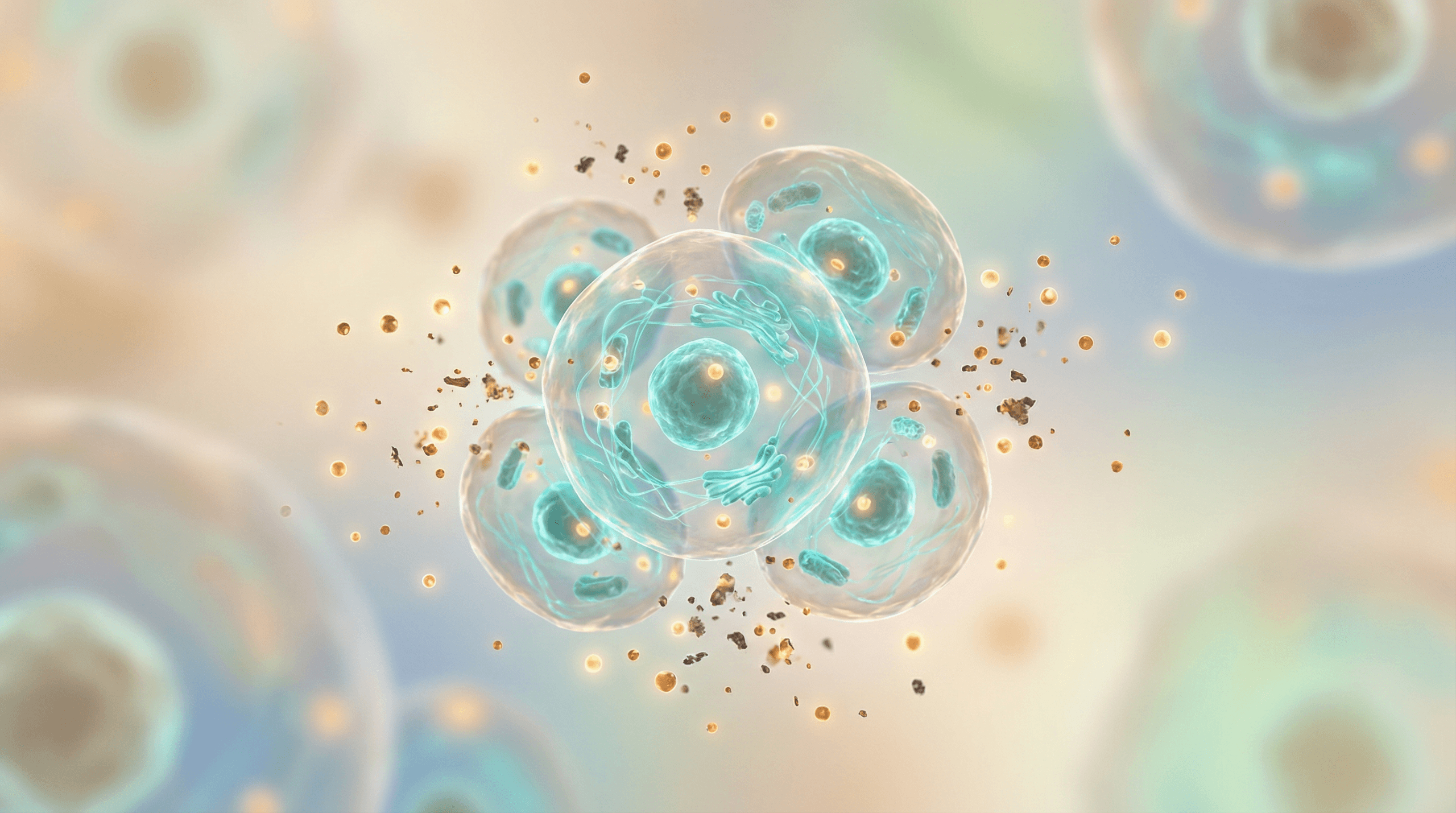
Autophagy, a term derived from Greek words meaning “self-eating,” is a fundamental cellular process that plays a crucial role in maintaining health and promoting longevity . Imagine your body as a bustling city, constantly generating waste and requiring maintenance. Autophagy acts as the city’s highly efficient sanitation and recycling department, diligently clearing out damaged cells and cellular components, and then regenerating newer, healthier ones.
TL;DR: Autophagy Basics
- Autophagy is your body’s natural process of recycling damaged cells.
- It supports cellular health, longevity, and disease prevention.
- Fasting, exercise, and certain diets can activate autophagy.
- Understanding autophagy helps promote a healthier, longer life.
This natural cleanup process is vital for cellular rejuvenation, optimal organ function, and overall well-being [1]. It’s a built-in mechanism that helps your body stay young and resilient from within.
In this guide, we’ll explore the fascinating world of autophagy, delving into its intricate mechanisms, its profound impact on health and aging, and practical, evidence-based strategies you can adopt to harness its benefits. By understanding how to activate and optimize this natural process, you can pave the way for a more fruitful and vibrant life, extending not just your years, but the quality of those years.
What is Autophagy? The Science of Self-Eating
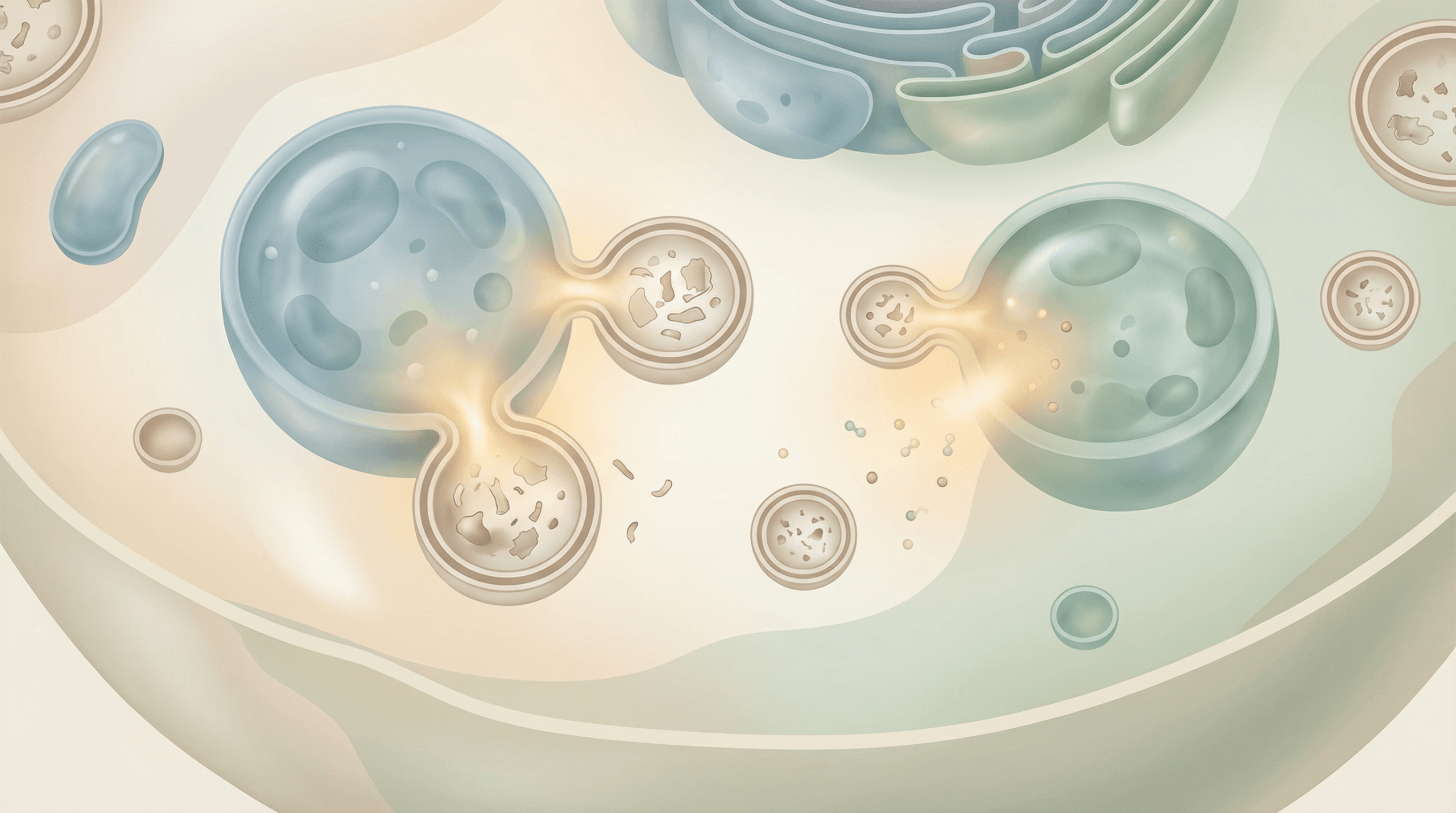
At its core, autophagy is a cellular process where your body breaks down and reuses old, damaged, or dysfunctional cell parts. Think of it as a highly efficient waste disposal and recycling plant within each of your cells. When cellular components become defective or stop working efficiently, they can accumulate and hinder proper cell function. Autophagy steps in to dismantle these “junk” parts, repurposing their salvageable molecules to create new, healthy cellular structures [1].
This process is primarily mediated by specialized proteins called Autophagy-related proteins (ATGs). These ATGs facilitate the formation of structures known as autophagosomes, which are double-membraned vesicles that engulf the targeted cellular debris. These autophagosomes then transport their cargo to lysosomes, the cell’s digestive organelles.
Within the lysosomes, powerful enzymes break down the engulfed material into its basic building blocks, such as amino acids, fatty acids, and sugars. These recycled components are then released back into the cell to be used for energy production or to synthesize new proteins and other essential cellular structures [1].
There are several types of autophagy, each with slightly different mechanisms and targets:
- Macroautophagy: This is the most common and well-studied type, involving the formation of autophagosomes that engulf large portions of cytoplasm, including organelles and protein aggregates. This is the process primarily discussed above.
- Microautophagy: In this process, lysosomes directly engulf cytoplasmic components by invaginating their own membrane.
- Chaperone-Mediated Autophagy (CMA): This highly selective pathway involves chaperone proteins that recognize specific protein sequences and deliver them directly to lysosomes for degradation. CMA is particularly important for degrading individual damaged proteins.
Each type plays a vital role in maintaining cellular health and responding to different cellular stresses, ensuring a comprehensive cellular cleanup.
Autophagy is a continuous process, occurring at a basal level to maintain cellular homeostasis. However, it can be significantly upregulated in response to various cellular stressors, such as nutrient deprivation, oxidative stress, or infection. This adaptive response allows cells to survive challenging conditions by optimizing their resources and eliminating potential threats [1].
Why Autophagy Matters for Longevity and Healthspan
The decline in cellular function is a hallmark of aging, and impaired autophagy is increasingly recognized as a key contributor to this process. As we age, the efficiency of our autophagic machinery tends to decrease, leading to an accumulation of damaged cellular components and a decline in overall cellular health [1]. This age-related decline in autophagy has been linked to various age-related diseases and a reduced lifespan [2].
By maintaining robust autophagic activity, we can effectively combat the cellular damage associated with aging. Autophagy helps to:
- Remove damaged proteins and organelles: This prevents the buildup of toxic aggregates that can interfere with cellular processes and contribute to neurodegenerative diseases like Alzheimer’s and Parkinson’s [1].
- Promote cellular rejuvenation: By recycling old parts and building new ones, autophagy ensures that cells remain functional and efficient, supporting tissue and organ health.
- Enhance stress resistance: A well-functioning autophagic system helps cells better cope with various stressors, including oxidative stress and inflammation, which are major drivers of aging and disease [3].
- Support immune function: Autophagy plays a critical role in the immune system by eliminating intracellular pathogens and presenting antigens, thereby bolstering the body’s defense mechanisms [4].
Research has consistently shown a strong correlation between enhanced autophagy and extended lifespan in various organisms, from yeast to mammals [2] [5]. This highlights its potential as a therapeutic target for promoting healthy aging and extending healthspan – the period of life spent in good health, free from chronic diseases. Furthermore, the ability of autophagy to clear senescent cells, often referred to as “zombie cells,” which accumulate with age and contribute to inflammation and tissue damage, is another critical aspect of its role in longevity. By removing these detrimental cells, autophagy helps to reduce chronic inflammation and preserve tissue function, thereby contributing to a more robust and youthful physiological state.
How to Activate Autophagy
While autophagy is a natural process, certain lifestyle interventions can help stimulate and enhance its activity. Incorporating these practices into your routine can support your body’s natural cleanup mechanisms and contribute to a healthier, longer life. It’s important to consult with a healthcare professional before making significant dietary or exercise changes, especially if you have underlying health conditions.
One of the most well-known ways to induce autophagy is through intermittent fasting. When your body is deprived of nutrients for a period, it triggers cells to enter a survival mode, initiating autophagy to recycle existing resources. Studies suggest that autophagy may begin between 24 to 48 hours of fasting, though more research is needed on optimal timing for humans [1]. Common intermittent fasting protocols include 16/8 (16 hours of fasting, 8-hour eating window) or 5:2 (two days of very low calorie intake per week).
Calorie restriction, similar to fasting, can also activate autophagy. By reducing your overall calorie intake without compromising essential nutrients, you limit the energy available to your cells, encouraging them to become more efficient and engage in cellular recycling to compensate for the reduced nutrient supply [1]. This approach focuses on mindful reduction rather than starvation.
Shifting your diet to be high in healthy fats and low in carbohydrates, often referred to as a ketogenic diet, can also induce autophagy. When carbohydrate intake is significantly reduced, your body switches from burning glucose for fuel to burning fat, producing ketones. This metabolic shift can trigger autophagic processes [1].
Regular exercise is another powerful stimulator of autophagy. Physical activity stresses skeletal muscles, which in turn increases the activity of Autophagy-related proteins (ATGs). Both endurance and resistance training have been shown to promote autophagy, with the type and intensity of exercise influencing the degree of induction [1].
Finally, while not a direct inducer like fasting or exercise, prioritizing quality sleep is crucial for overall cellular health and repair processes, indirectly supporting optimal autophagic function. Chronic sleep deprivation can lead to cellular stress and inflammation, potentially hindering autophagy. Each of these strategies, when implemented thoughtfully and consistently, can contribute significantly to boosting your body’s natural autophagic processes, leading to improved cellular health and a stronger defense against age-related decline.
Autophagy and Disease: A Complex Relationship
The role of autophagy in disease is multifaceted and complex. While it generally acts as a protective mechanism, its dysregulation can contribute to the development and progression of various health conditions. Scientists are actively researching these intricate relationships to better understand how to leverage autophagy for therapeutic benefit [1].
In many cases, impaired autophagy is associated with disease. For instance, problems with autophagy have been linked to neurodegenerative disorders such as Alzheimer’s and Parkinson’s diseases, where the accumulation of misfolded proteins and damaged organelles plays a significant role. Autophagy’s ability to clear these toxic aggregates is crucial for neuronal health [1].
Similarly, dysfunctional autophagy can contribute to metabolic disorders like type 2 diabetes and non-alcoholic fatty liver disease (NAFLD), as it impacts cellular energy balance, insulin sensitivity, and the removal of damaged mitochondria [1]. Research also suggests a link between impaired autophagy and cardiovascular diseases, where it can contribute to plaque buildup and inflammation in arteries [1].
However, the relationship isn’t always straightforward. In some contexts, such as certain stages of cancer, autophagy can paradoxically promote tumor growth. Cancer cells can hijack the autophagic pathway to survive nutrient deprivation, resist chemotherapy, and even metastasize.
This dual role highlights the critical need for precise modulation of autophagy, rather than simply activating or inhibiting it, depending on the specific disease and its stage, and the type of cancer [1]. Understanding these nuances is paramount for developing targeted therapies that can either suppress or enhance autophagy to achieve desired clinical outcomes.
Ongoing research aims to unravel these complexities, exploring how enhancing or inhibiting autophagy in a targeted manner could offer new avenues for treating a wide range of diseases, from infections to age-related conditions. As our understanding deepens, so too will our ability to harness this powerful cellular process for improved human health.
Conclusion: Embrace Autophagy for a Fruitful Future
Autophagy is a remarkable and essential cellular process, acting as your body’s innate recycling and rejuvenation system. By clearing out cellular debris and recycling components, it plays a critical role in maintaining cellular health, combating the effects of aging, and promoting overall well-being. Understanding and supporting this natural cleanup process is a key step in your journey towards a healthier, more vibrant life.
By incorporating lifestyle strategies such as intermittent fasting, calorie restriction, ketogenic diets, and regular exercise, you can actively encourage and enhance your body’s autophagic activity. Remember to consult with a healthcare professional before making significant changes to your diet or exercise routine.
Embracing the power of autophagy can lead to a more resilient body, a sharper mind, and a greater capacity to enjoy a fruitful future. It’s a testament to the body’s incredible ability to self-regulate and repair, offering a powerful pathway to enhanced vitality and a prolonged healthspan. To further explore how your lifestyle choices impact your biological age, consider utilizing a biological age calculator to track your progress and gain deeper insights into your longevity journey.
Sources and Further Reading
[1] Cleveland Clinic. (2022, August 23). Autophagy: Definition, Process, Fasting & Signs. Retrieved from https://my.clevelandclinic.org/health/articles/24058-autophagy
[2] Locatelli, A. G., & Cenci, S. (2022, December 20). Autophagy and longevity: Evolutionary hints from hyper-longevous mammals. Frontiers in Endocrinology, 13. https://doi.org/10.3389/fendo.2022.1085522
[3] Aman, Y., Schmauck-Medina, T., Hansen, M., & Morimoto, R. I. (2021, August 12). Autophagy in healthy aging and disease. Nature Aging, 1(8), 646–660. https://www.nature.com/articles/s43587-021-00098-4
[4] Akça, K. T. (2023). Autophagic mechanisms in longevity intervention: role of adult stem cells. PMC. https://pmc.ncbi.nlm.nih.gov/articles/PMC10407225/
[5] Nakamura, S., & Yoshimori, T. (2018). Autophagy and longevity. Molecules and Cells, 41(1), 1–8. https://www.sciencedirect.com/science/article/pii/S1016847823004739
Q: How long do I need to fast to activate autophagy?
A: Research suggests autophagy may begin between 24-48 hours of fasting in humans, though some cellular benefits may start earlier. For practical purposes, intermittent fasting protocols like 16:8 (16 hours fasting, 8-hour eating window) can support autophagy activation. The exact timing varies by individual based on metabolic health, activity level, and diet.
Q: Can I activate autophagy without fasting?
A: Yes! While fasting is the most well-studied method, regular exercise (especially high-intensity and resistance training), ketogenic diets, calorie restriction, and quality sleep all support autophagy. Combining multiple approaches—like exercising in a fasted state or following a low-carb diet—can enhance autophagic activity without extended fasting periods.
Paste this into ChatGPT, Claude, or your favorite AI assistant to explore this topic further:
👆 Select the text above and press Ctrl+C (or Cmd+C on Mac) to copy the entire prompt.
AI Prompts to Explore This Topic Further
Copy and paste any of these prompts into ChatGPT, Claude, or your favourite AI assistant:
- Prompt 1: Explain how autophagy changes as people age and what lifestyle habits can support it for someone over 60.
- Prompt 2: Provide a simple weekly plan with diet and exercise tips to naturally boost autophagy safely for beginners aged 55 and older.
- Prompt 3: List common signs that autophagy might be impaired in older adults and suggest practical ways to improve it.
- Prompt 4: “Act as a health educator and create an easy-to-understand infographic outline that explains the science of autophagy and its benefits for healthy aging.”
- Prompt 4: “Act as a nutritionist and suggest a list of antioxidant-rich foods that support autophagy and promote healthy aging for people over 50.”
How to Get Started with Zone 2 Training: A Practical Guide
Beginning Zone 2 cardio training is approachable and can fit seamlessly into your lifestyle. To start, you’ll want to determine your Zone 2 heart rate, which generally falls between 60-70% of your maximum heart rate. A simple formula to estimate your max heart rate is 220 minus your age.
For example, if you’re 60 years old, your max heart rate is approximately 160 beats per minute, making your Zone 2 range roughly 96–112 bpm. Using a heart rate monitor or a fitness watch can help you stay within this target zone accurately.
Activities well suited for Zone 2 training include walking, cycling, swimming, or any steady-state aerobic exercise that keeps your heart rate in the target zone without causing undue fatigue. Start with sessions lasting 30 to 45 minutes, three to four times a week. Consistency is key; aim to gradually build up to around 150 minutes per week, which aligns with general cardiovascular health recommendations. Remember, it’s perfectly fine to break your sessions into shorter increments if that works better for your schedule.
As your fitness improves, you can progress by increasing the duration of your workouts or adding an extra session each week. Pay attention to how your body responds, and prioritize steady, sustainable progress rather than intensity. For personalized guidance and additional tips on staying motivated with your cardio routine, explore more resources on the Fruitful Years blog tailored for adults 50 and beyond.
Zone 2 and Longevity: What the Research Says
Zone 2 cardio has garnered attention among longevity researchers for its profound impact on mitochondrial health and overall metabolic function. Mitochondria, often called the “powerhouses” of cells, are crucial for energy production and tend to decline with age. Training in Zone 2 enhances mitochondrial efficiency and biogenesis, helping to maintain cellular energy levels and reduce age-related decline.
Experts like Dr. Peter Attia emphasize the importance of improving VO2 max—the maximum rate of oxygen consumption during exercise—as a key biomarker of longevity. Zone 2 training is a sustainable way to enhance VO2 max and improve metabolic flexibility, which supports better blood sugar regulation and cardiovascular health. Studies have linked improved mitochondrial function and VO2 max with lower risks of chronic diseases, including heart disease and type 2 diabetes.
Incorporating regular Zone 2 cardio into your routine is a powerful, evidence-based strategy to promote healthy aging and extend your healthspan. For a deeper dive into the science behind longevity and practical lifestyle tips, be sure to visit the Fruitful Years blog, where we provide up-to-date research and encouragement tailored to adults 50 and older.
Ready to take control of how you age?
Ready to Add Years to Your Life?
Get our free 7-Day Longevity Quick-Start Checklist — evidence-based micro-habits you can start today, no gym required.
{ “@context”: “https://schema.org”, “@type”: “Article”, “headline”: “A Beginner’s Guide to Autophagy: Your Body’s Natural Cleanup Process”, “description”: “Zone 2 cardio is one of the most powerful tools for longevity. Learn how low-intensity aerobic training improves mitochondrial health and extends healthspan.”, “url”: “https://fruitfulyears.com/a-beginners-guide-to-autophagy-your-bodys-natural-cleanup-process/”, “author”: { “@type”: “Person”, “name”: “Ken Gardner”, “url”: “https://fruitfulyears.com/about/” }, “publisher”: { “@type”: “Organization”, “name”: “Fruitful Years”, “url”: “https://fruitfulyears.com/”, “logo”: { “@type”: “ImageObject”, “url”: “https://fruitfulyears.com/wp-content/uploads/logo.png” } }, “datePublished”: “2026-03-01”, “dateModified”: “2026-03-04”, “mainEntityOfPage”: { “@type”: “WebPage”, “@id”: “https://fruitfulyears.com/a-beginners-guide-to-autophagy-your-bodys-natural-cleanup-process/” } }
Next Steps: Autophagy Activation Checklist
- Incorporate intermittent fasting or time-restricted eating into your routine.
- Engage in regular physical activity, such as walking or strength training.
- Adopt a balanced diet rich in whole foods and low in processed sugars.
- Stay hydrated and prioritize quality sleep to support cellular repair.
- Consult your healthcare provider before starting any new fasting or exercise regimen.
Deep Dive AI Prompts
Use these prompts with ChatGPT or any AI assistant to explore this topic further:
- Explain the molecular mechanisms behind autophagy and its role in cellular health.
- Describe how lifestyle factors like diet and exercise influence autophagy in adults over 50.
- Discuss the relationship between autophagy and age-related diseases such as Alzheimer’s or cancer.
Frequently Asked Questions
What is autophagy? Autophagy is a natural process where your body breaks down and recycles damaged or dysfunctional cells to maintain cellular health.
How does autophagy benefit aging adults? It helps clear out damaged cells and supports cellular renewal, which can improve organ function and promote longevity as we age.
Can I activate autophagy naturally? Yes, autophagy can be activated through intermittent fasting, regular exercise, and certain dietary practices.
Is autophagy related to disease prevention? Autophagy helps remove damaged cellular components, which may reduce the risk of diseases such as neurodegeneration and cancer.
Related Reading
- What Is Biological Age? (And How to Lower Yours)
- The 9 Hallmarks of Aging: A Beginner’s Guide
- An Introduction to Epigenetic Clocks: How Science Measures Aging