
Movement and strength
Why it may matter: Repeatable movement supports everyday function.
What to discuss or track: Explore daily movement and ask what fits your current abilities.
RESEARCH INTO EVERYDAY HABITS
Start with one question that matters to your everyday life. Explore evidence-aware guides on movement, food, sleep and health numbers, then bring personal decisions to your primary care provider.
Educational guidance. Not medical advice.
Why it may matter: Repeatable movement supports everyday function.
What to discuss or track: Explore daily movement and ask what fits your current abilities.
Why it may matter: An eating pattern is more useful than chasing a single superfood.
What to discuss or track: Explore food habits and discuss dietary needs or restrictions.
Why it may matter: Sleep and recovery belong in a practical weekly routine.
What to discuss or track: Explore sleep and note persistent concerns for your clinician.
Why it may matter: Measurements need context and do not define your biological age.
What to discuss or track: Use the health numbers checklist to prepare clear questions.
You do not need a perfect routine or a long list of tests to get started.
Recognised starting points include Canada's 24-Hour Movement Guidelines, Canada's Food Guide and the National Institute on Aging. These resources offer general guidance, not an individual treatment plan or an endorsement of Fruitful Years.
A biomarker change or a checklist score does not establish biological age, predict lifespan or prove that a habit extends life. Use the information to prepare questions for your primary care provider.
Educational guidance. Not medical advice. Read the medical disclaimer.
Read our authorship and review disclosures. Layout updates do not imply new clinical review.

Preserve your family’s stories with a shared family tree. Learn how to involve relatives, choose a tool, protect privacy, and use AI carefully.
A flexible framework for aerobic movement, strength, balance and everyday activity, with links to public-health guidance and ways to adapt the routine to your abilities.
Explore a practical framework for movement, strength, balance and everyday function after 50, with gradual progression and individual health needs in view.
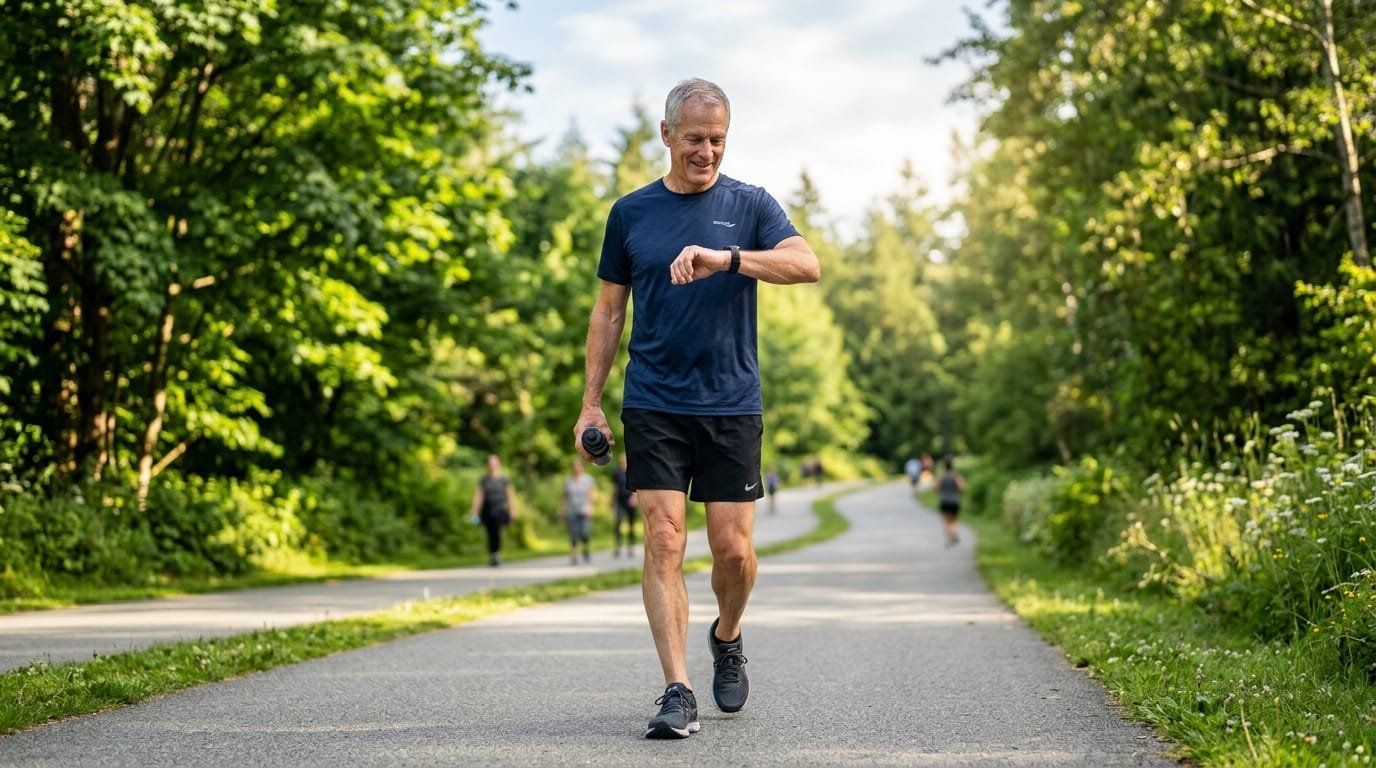
Compare MAF 180, Karvonen heart-rate reserve, the talk test, and perceived exertion when estimating Zone 2 exercise intensity after 60.

Explore meaning, recovery, attention and connection through practical reflection exercises, with research limitations and room to adapt to your circumstances.
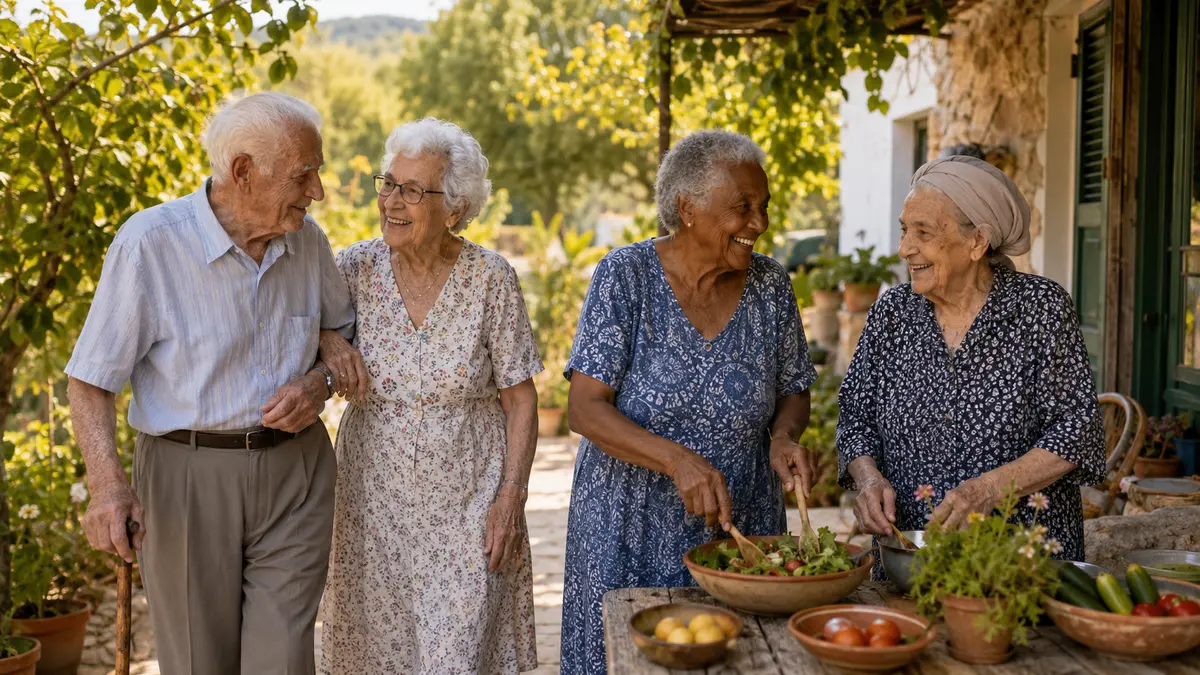
Habits shared by long-lived people — what they eat, how they move, how they sleep, and what the research suggests about applying these patterns after 45.

HEALTH INFORMATION SKILLS How to Use Google Gemini to Understand What Your Doctor Said After a medical appointment, AI can help turn unfamiliar words into questions you understand. Use Gemini as a drafting aid,…

A balanced look at rapamycin and metformin as longevity research subjects, why they are not anti-aging treatments, and why clinician guidance matters.

Longevity Escape Velocity (LEV) is a hypothetical concept in aging research. This article explains what it means, why it is debated, and what it does and does not mean for adults 45+ today.

Epigenetic clocks can be interesting research-informed tools, but no single biological-age score tells the whole story. This guide explains what they can and can’t tell you.