

Intermittent Fasting for Beginners: A 4-Week Plan
Intermittent fasting (IF) has emerged as a popular and effective strategy for weight management and overall health improvement, particularly for adults over 50. Unlike traditional diets that focus on what you eat, intermittent fasting is all about when you eat. This approach involves cycling between periods of eating and fasting, a practice that has been shown to offer a range of benefits, from weight loss and improved metabolic health to enhanced brain function and longevity.
TL;DR: Intermittent Fasting Basics for Beginners
- Intermittent fasting focuses on when you eat, not what you eat.
- Start with the 16/8 method for an easy introduction.
- Fasting supports fat burning, cellular repair, and hormonal balance.
- It offers unique benefits for adults over 50, including longevity support.
For those new to the concept, intermittent fasting for beginners can seem daunting, but with a structured plan, it can be an accessible and sustainable lifestyle change. This article will provide a comprehensive guide to intermittent fasting, including a detailed 4-week plan to help you get started on your journey to a healthier you.
Understanding Intermittent Fasting
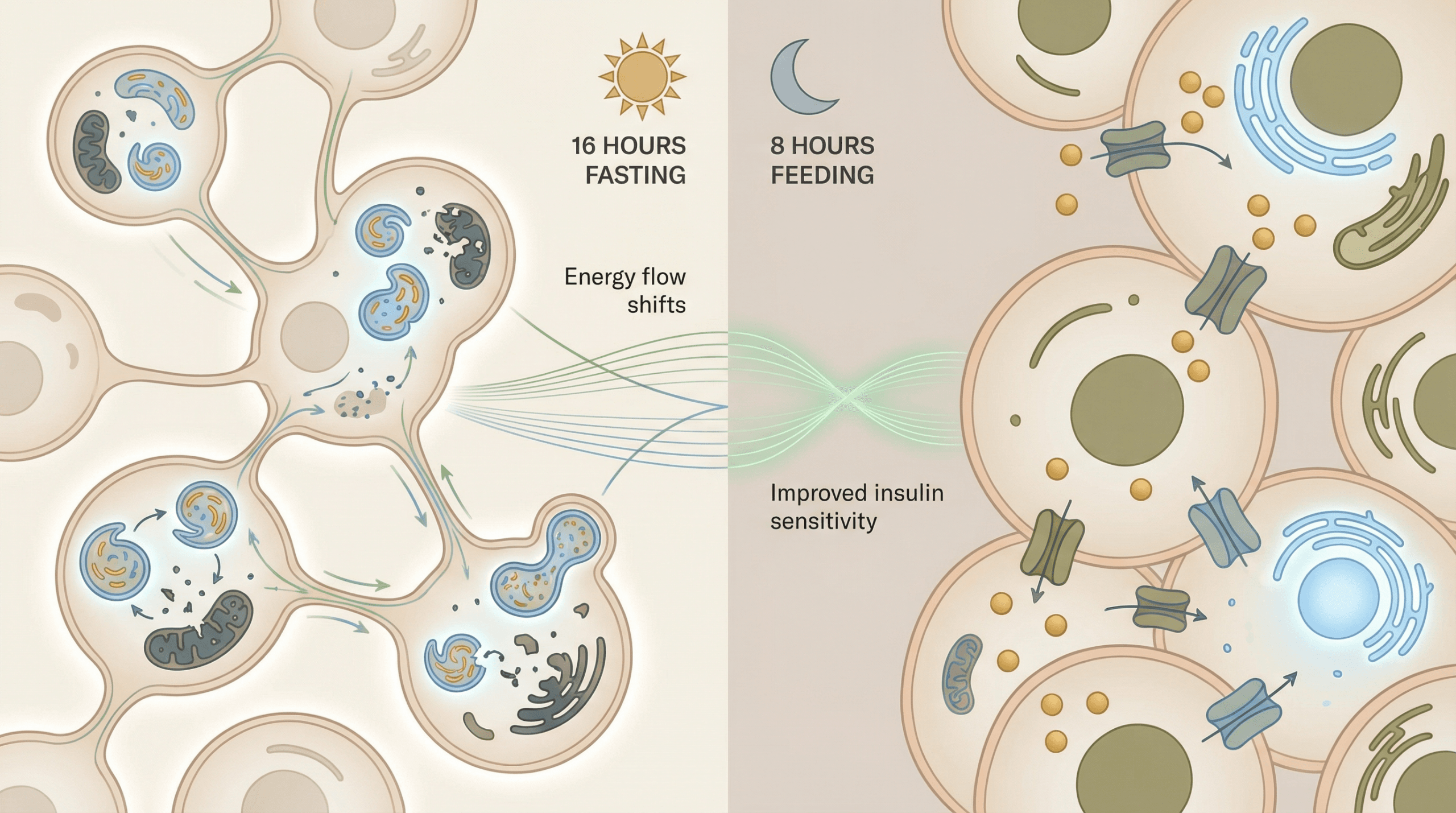
Intermittent fasting is an eating pattern that cycles between periods of eating and voluntary fasting. It’s not a diet in the traditional sense, as it doesn’t restrict what you eat, but rather when you eat [1]. This flexibility makes it adaptable to various lifestyles and preferences. The most common methods of intermittent fasting include:
- 16/8 Method: This involves fasting for 16 hours and consuming all your meals within an 8-hour eating window. For example, you might eat between 12 PM and 8 PM, and fast for the remaining 16 hours [1].
- 5:2 Method: With this approach, you eat normally for five days of the week and restrict your calorie intake to 500-600 calories on two non-consecutive days [1].
- Eat-Stop-Eat: This method involves a 24-hour fast once or twice a week, for instance, by not eating from dinner one day until dinner the next day [2].
For beginners, starting with a shorter fasting window, such as the 16/8 method, is often recommended to allow the body to adjust gradually [1].
The Science Behind Intermittent Fasting
When you fast, several physiological changes occur in your body that contribute to its health benefits. After hours without food, your body depletes its sugar stores and begins to burn fat for energy, a process known as metabolic switching [1]. This shift has profound effects on cellular and molecular levels:
repair process is linked to longevity and disease prevention [2].
- Hormonal Balance: Intermittent fasting can lead to a decrease in insulin levels, making stored body fat more accessible for energy. It also increases human growth hormone (HGH) levels, which supports fat loss and muscle growth [2].
- Cellular Repair: During fasting, your cells initiate repair processes, including autophagy, where cells remove old and dysfunctional proteins that accumulate over time. This cellular
Benefits of Intermittent Fasting for Adults Over 50
For adults over 50, intermittent fasting can offer a unique set of advantages that align with healthy aging and longevity goals. These benefits extend beyond simple weight management and delve into cellular health and disease prevention.
One of the primary benefits is weight management, as IF can help reduce overall calorie intake without conscious restriction, leading to sustainable weight loss and reduced body fat [2]. This is particularly relevant for older adults who may experience age-related metabolic slowdown.
Another significant advantage is improved insulin sensitivity. Intermittent fasting can reduce insulin resistance, a common issue that increases the risk of type 2 diabetes. By better regulating blood sugar levels, IF can be a powerful tool in preventing and managing this chronic condition [1] [2].
Intermittent fasting also contributes to cellular rejuvenation through processes like autophagy, where the body cleans out damaged cells and regenerates new ones. This cellular repair process is linked to longevity and disease prevention [2]. Beyond metabolic health, intermittent fasting has also been associated with enhanced brain health.
Studies suggest that IF can boost cognitive function by increasing levels of brain-derived neurotrophic factor (BDNF), a protein crucial for the growth of new nerve cells and potentially offering protection against age-related neurodegenerative disorders [1] [2]. Furthermore, IF may play a role in reducing chronic inflammation, a key contributor to many age-related diseases [2]. Improvements in heart health, including better blood pressure, resting heart rates, and cholesterol levels, have also been observed with intermittent fasting [1].
It’s important to note that while these benefits are promising, much of the research on IF is still emerging. Many studies have been small, short-term, or conducted in animals, indicating a need for more high-quality human studies to fully understand the long-term implications and benefits [2].
Your 4-Week Intermittent Fasting Plan for Beginners
This 4-week plan is designed to ease you into intermittent fasting, allowing your body to adapt gradually. It’s based on the 16/8 method, which is one of the most popular and sustainable approaches for beginners.
Week 1: Acclimatization (12/12)
During the first week, the primary goal is to allow your body to acclimatize to a structured eating window. This involves fasting for 12 hours and consuming all your meals within a 12-hour period. For instance, if you complete your dinner by 8 PM, your first meal the following day would be at 8 AM.
Throughout this initial phase, it is crucial to stay well-hydrated by drinking water, herbal tea, or black coffee during your fasting period. When you are within your eating window, prioritize nutrient-dense foods, such as lean proteins, healthy fats, and complex carbohydrates, to support your body’s adjustment.
Week 2: Extending the Fast (14/10)
In the second week, the objective is to gradually extend your fasting duration. This means fasting for 14 hours and confining your eating to a 10-hour window. An example schedule would be eating between 10 AM and 8 PM.
Should you experience hunger during your fasting period, try consuming a glass of water or a cup of black coffee. It is vital to pay close attention to your body’s signals and make adjustments as necessary, avoiding pushing yourself too strenuously.
Week 3: The Standard 16/8
By the third week, the goal is to transition to the standard 16/8 intermittent fasting schedule. This involves fasting for 16 hours and limiting your eating to an 8-hour window, such as from 12 PM to 8 PM. During this eating period, focus on consuming two balanced meals and a healthy snack. It is important to avoid processed foods, sugary drinks, and unhealthy fats to maximize the benefits of your fasting efforts.
### Week 4: Listening to Your Body
In the final week, the focus shifts to fine-tuning your intermittent fasting routine and truly listening to your body. Continue with the 16/8 method, and if you feel comfortable and your body responds positively, you may experiment with an 18/6 schedule (18 hours of fasting and a 6-hour eating window). It is crucial to assess how you feel: are you experiencing increased energy and mental clarity?
Are you effectively managing hunger? Throughout this week, ensure you are consuming adequate nutrients and calories during your eating window to prevent any risk of malnutrition.
Is Intermittent Fasting Safe for You?

While intermittent fasting is generally considered safe for most people, it’s not suitable for everyone. It’s crucial to consult with your doctor before starting, especially if you have any underlying health conditions. Individuals who should avoid intermittent fasting include:
This includes children and teenagers under 18, pregnant or breastfeeding women, individuals with a history of eating disorders, and those with type 1 diabetes who take insulin [1].
For women, in particular, it’s important to be mindful of how intermittent fasting affects their bodies. Some women may experience hormonal imbalances or disruptions to their menstrual cycle. If you have any concerns, it’s best to stop and consult with a healthcare professional [2].
Conclusion: A Sustainable Path to Health and Longevity
Intermittent fasting for beginners can be a powerful tool for improving your health and well-being, especially as you age. By following a structured 4-week plan, you can ease into this new way of eating and reap its many benefits, from weight management and improved insulin sensitivity to enhanced brain health and cellular rejuvenation. Remember to listen to your body, prioritize nutrient-dense foods, and consult with your doctor to ensure it’s the right approach for you. To further explore your health and longevity, consider using a biological age calculator to track your progress and make informed decisions about your wellness journey.
Sources and Further Reading
[1] Johns Hopkins Medicine. “Intermittent Fasting: What is it, and how does it work?” [https://www.hopkinsmedicine.org/health/wellness-and-prevention/intermittent-fasting-what-is-it-and-how-does-it-work](https://www.hopkinsmedicine.org/health/wellness-and-prevention/intermittent-fasting-what-is-it-and-how-does-it-work)
[2] Healthline. “Intermittent Fasting: How To, Types, Benefits, and Safety.” [https://www.healthline.com/nutrition/intermittent-fasting-guide](https://www.healthline.com/nutrition/intermittent-fasting-guide)
Q: Will I lose muscle mass with intermittent fasting?
A: Not if done correctly. Maintain adequate protein intake (0.7-1g per pound of body weight) during your eating window and continue resistance training. Studies show that IF combined with strength training can preserve muscle mass while reducing fat. The key is eating enough calories and protein within your eating window to support muscle maintenance.
Q: Can I drink coffee or tea during fasting hours?
A: Yes! Black coffee, unsweetened tea, and water are all acceptable during fasting periods and won’t break your fast. These can actually help suppress appetite and provide a mild energy boost. However, avoid adding sugar, milk, cream, or artificial sweeteners, as these will break your fast by triggering an insulin response.
Paste this into ChatGPT, Claude, or your favorite AI assistant to explore this topic further:
👆 Select the text above and press Ctrl+C (or Cmd+C on Mac) to copy the entire prompt.
AI Prompts to Explore This Topic Further
Copy and paste any of these prompts into ChatGPT, Claude, or your favourite AI assistant:
- Prompt 1: “Create a detailed 4-week intermittent fasting meal and activity plan tailored for someone aged 60 with mild arthritis.”
- Prompt 2: “Explain the potential benefits and risks of intermittent fasting for adults aged 55-70 with type 2 diabetes.”
- Prompt 3: “Suggest easy-to-prepare, anti-inflammatory recipes suitable for intermittent fasting during the eating window for seniors.”
- Prompt 4: “Act as a certified nutritionist and create a beginner-friendly intermittent fasting FAQ addressing common concerns and misconceptions for adults over 50 focused on healthy aging.”
- Prompt 4: “Act as a fitness coach and design a gentle exercise routine that complements a 4-week intermittent fasting plan for adults over 50, focusing on improving energy levels and promoting healthy aging.”
Related Reading
- Intermittent Fasting After 60: A Practical Guide to Benefits and Risks
- The Blue Zones Diet: What Do the World’s Longest-Lived People Actually Eat?
- NAD+ Supplements: What Does the Science Actually Say About NMN and NR?
Ready to Add Years to Your Life?
Get our free 7-Day Longevity Quick-Start Checklist — evidence-based micro-habits you can start today, no gym required.
{ “@context”: “https://schema.org”, “@type”: “Article”, “headline”: “Intermittent Fasting for Beginners: A 4-Week Plan”, “description”: “Intermittent Fasting for Beginners: A 4-Week Plan Intermittent fasting (IF) has emerged as a popular and effective strategy for weight management and overall health improvement, particularly for adult”, “url”: “https://fruitfulyears.com/intermittent-fasting-for-beginners-a-4-week-plan/”, “author”: { “@type”: “Person”, “name”: “Ken Gardner”, “url”: “https://fruitfulyears.com/about/” }, “publisher”: { “@type”: “Organization”, “name”: “Fruitful Years”, “url”: “https://fruitfulyears.com/”, “logo”: { “@type”: “ImageObject”, “url”: “https://fruitfulyears.com/wp-content/uploads/logo.png” } }, “datePublished”: “2026-03-01”, “dateModified”: “2026-03-04”, “mainEntityOfPage”: { “@type”: “WebPage”, “@id”: “https://fruitfulyears.com/intermittent-fasting-for-beginners-a-4-week-plan/” } }
Next Steps: Intermittent Fasting Checklist
- Choose a fasting method that fits your lifestyle, such as the 16/8 method.
- Plan your eating windows and prepare balanced meals to support your fasting periods.
- Stay hydrated during fasting hours with water, herbal teas, or black coffee.
- Monitor how your body responds and adjust fasting duration gradually.
- Consult your healthcare provider before starting, especially if you have existing health conditions.
- Keep a journal to track your progress, energy levels, and any changes in well-being.
Deep Dive AI Prompts
Use these prompts with ChatGPT or any AI assistant to explore this topic further:
- Explain the cellular mechanisms behind autophagy during intermittent fasting and its impact on aging.
- Compare the benefits and challenges of different intermittent fasting methods for adults over 50.
- Discuss how intermittent fasting influences hormonal changes, including insulin and human growth hormone levels.
Frequently Asked Questions
What is intermittent fasting? Intermittent fasting is an eating pattern that alternates between periods of eating and fasting, focusing on when you eat rather than what you eat.
Is intermittent fasting safe for adults over 50? Yes, it can be safe and beneficial for adults over 50, supporting metabolic health and longevity, but consulting a healthcare professional before starting is recommended.
How do I start intermittent fasting as a beginner? Begin with a simple method like the 16/8 fasting schedule, allowing your body to adjust gradually before trying longer fasting periods.
What are the main benefits of intermittent fasting? Benefits include improved fat burning, hormonal balance, cellular repair, and potential enhancements in brain function and longevity.