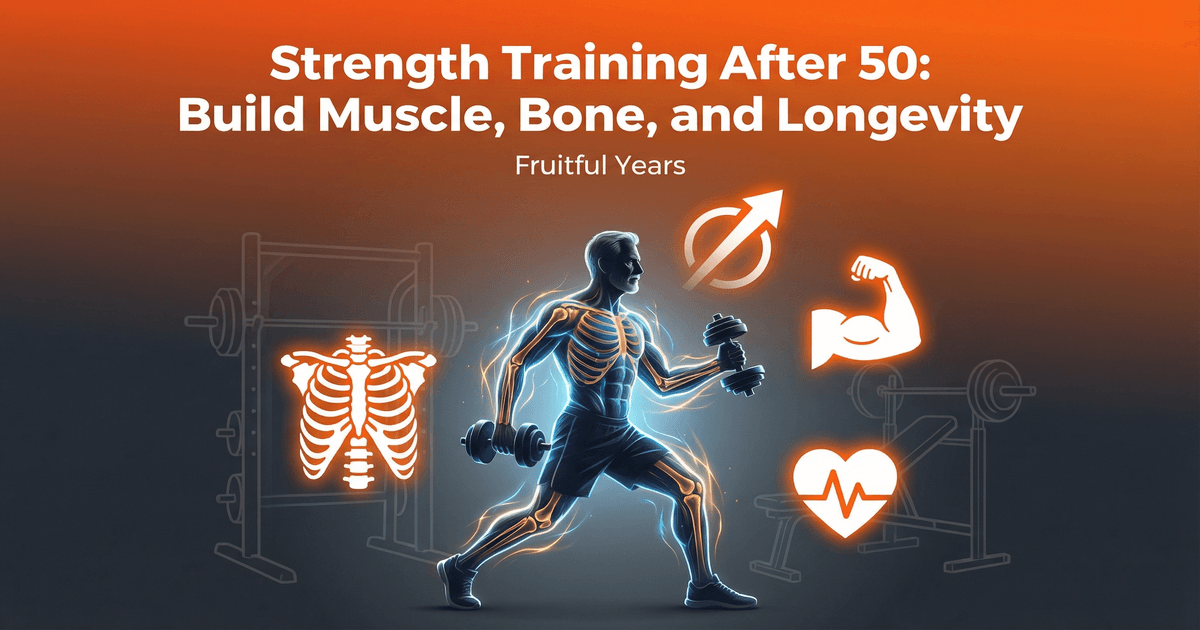
Strength Training After 50
Introduction: Unlocking Your Strength Potential After 50
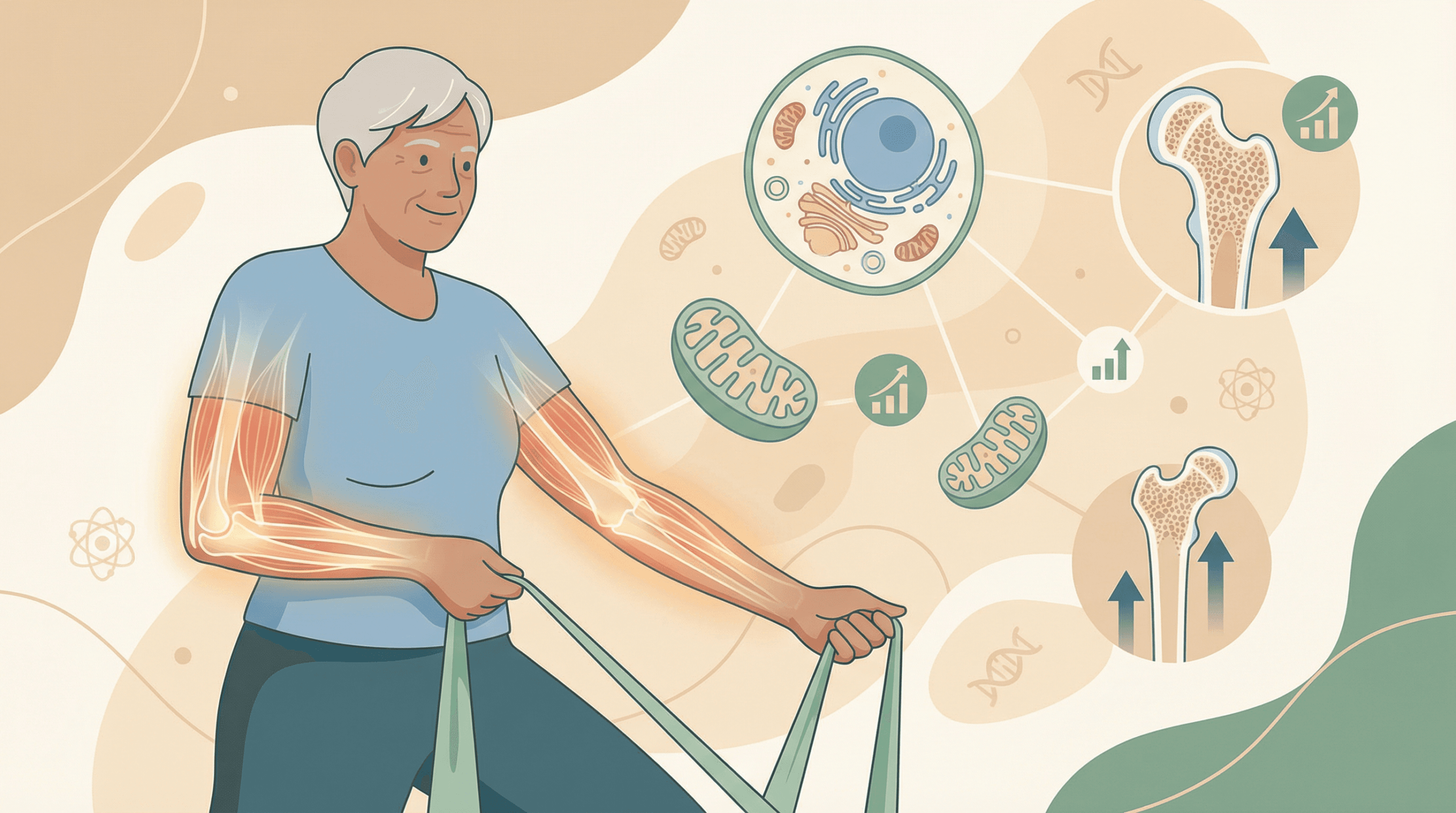
As we navigate life after 50, concerns about declining physical abilities are common. However, maintaining and even building significant strength is not only possible but crucial for a vibrant, independent, and longer life. Scientific research increasingly shows that engaging in strength training after 50 can dramatically slow, and often reverse, age-related declines, transforming your health in profound ways. This guide empowers you with the knowledge and practical steps to embrace strength training, build muscle, and fortify your body for the fruitful years ahead.
TL;DR: Strength Training After 50
- Strength training reverses age-related muscle loss and boosts longevity.
- It improves bone density, cognitive function, and metabolic health.
- Regular resistance exercise reduces fall risk and supports independence.
- Muscle is key to overall health and vitality after 50.
The Science Behind Strength: Why It Matters as You Age
Our bodies adapt to demands, but aging brings sarcopenia—the age-related decline in muscle mass, strength, and function [1]. This impacts daily tasks like walking and climbing stairs, with about 30% of adults over 70 experiencing mobility issues linked to sarcopenia [1].
Muscle mass and strength typically peak between 30-35, then gradually decline, accelerating after 65 for women and 70 for men [1]. Sarcopenia leads to increased frailty, higher risk of falls, fractures, chronic diseases, and even premature mortality [1, 2].
However, this decline is not inevitable. Regular resistance training can significantly slow, and even reverse, these age-related muscle changes [2]. By actively engaging in strength training after 50 , you build a stronger foundation for future health and independence.
Muscle tissue aids metabolism, helping cells use blood sugar efficiently and regulating levels, reducing insulin resistance and type 2 diabetes risk [2]. The neuromuscular connection from strength training also maintains coordination and balance, crucial for preventing falls [2].
Benefits Beyond Brawn
Beyond building bigger muscles, strength training after 50 offers a cascade of health benefits that significantly enhance your quality of life and longevity:
Stronger Bones, Reduced Fracture Risk
Age-related bone density loss increases fracture risk. Strength training counters this by stimulating bone-building cells, increasing bone density and strength [2]. This is vital for preventing debilitating falls and maintaining independence.
Improved Cognitive Function
Strength training extends to cognitive health, slowing decline, particularly in individuals with mild cognitive impairment [2]. This is attributed to increased blood flow to the brain and enhanced nervous system-muscle communication, keeping your mind sharp [2].
Better Blood Sugar Control and Reduced Diabetes Risk
Muscle tissue is metabolically active, playing a critical role in glucose metabolism. More muscle mass means more efficient blood sugar utilization, reducing insulin resistance and type 2 diabetes risk [2]. Strength training improves insulin sensitivity, aiding blood sugar management.
Enhanced Cardiovascular Health
Strength training contributes significantly to cardiovascular health. Transient blood pressure rises during lifting trigger adaptations in blood vessels, making them more elastic and efficient. Consistent resistance training reduces both systolic and diastolic blood pressure in older adults [2].
Weight Management and Metabolic Boost
Muscle tissue burns more calories at rest than fat. Increasing muscle mass through strength training boosts metabolism, aiding weight management and preventing age-related weight gain. This is crucial for reducing chronic disease risk.
Greater Independence and Quality of Life
One of the most profound benefits of strength training after 50 is preserving functional independence. Stronger muscles make daily tasks easier—carrying groceries, gardening, or getting up from a chair. This sustained independence translates to a higher quality of life, allowing you to enjoy activities longer [1].
Longevity: Live Longer, Live Better
Ultimately, these benefits contribute to a longer, healthier lifespan. Studies show older adults with greater muscle strength have a lower mortality risk [2]. Strength training adds life to your years, not just years to your life.
Getting Started: Your Actionable Guide to Strength Training
Embarking on a strength training journey after 50 is rewarding. Here’s an actionable guide to help you get started safely and effectively:
1. Consult Your Doctor
Before starting any new exercise program, especially with pre-existing health conditions, consult your doctor for personalized advice and to ensure safety.
2. Start Slow and Focus on Form
Begin with lighter weights or resistance, focusing on proper form. Incorrect form leads to injuries. Consider working with a certified personal trainer to learn correct techniques.
3. Choose Your Resistance Method
Effective resistance methods include:
- Bodyweight Exercises: Push-ups (modified), squats (to a chair), lunges, planks. No equipment needed.
- Resistance Bands: Versatile, portable, varying resistance levels. Good for beginners and targeting smaller muscle groups.
- Free Weights: Dumbbells, kettlebells, barbells provide progressive overload. Start light and gradually increase.
- Weight Machines: Good for beginners, guiding movement and ensuring proper form. May not engage stabilizing muscles as effectively as free weights.
4. Prioritize Compound Movements
Compound exercises work multiple muscle groups and joints simultaneously, offering maximum benefit. Examples:
- Squats: Glutes, quads, hamstrings.
- Deadlifts (modified/light weights): Entire posterior chain.
- Push-ups/Bench Press: Chest, shoulders, triceps.
- Rows: Back and biceps.
- Overhead Press: Shoulders and triceps.
5. Aim for Consistency, Not Perfection
Consistency is key. Aim for 2-3 strength training sessions per week, with at least one rest day between sessions for muscle recovery. Each session should be 30-60 minutes, including warm-up and cool-down.
6. Progressive Overload: The Key to Continued Progress

To continue building muscle, gradually increase the challenge. Once you comfortably complete 8-12 repetitions with good form, increase weight, resistance, or sets [2].
7. Fuel Your Body with Proper Nutrition
Strength training requires adequate fuel, especially protein. Aim for approximately 1.2 grams of protein per kilogram of body weight daily, distributed throughout meals [2]. Focus on whole, unprocessed foods.
8. Listen to Your Body and Prioritize Recovery
Rest and recovery are as important as the workout. Ensure adequate sleep and avoid overtraining. If you experience pain, stop and consult a professional. Muscles grow stronger during rest.
Common Myths and How to Overcome Them
Despite the evidence, several myths persist about strength training after 50. Let’s debunk them:
Myth 1: I’m Too Old to Start Strength Training
Reality: It’s never too late. Research shows individuals starting resistance training after 70 can reverse age-related muscle changes [2]. Your muscles respond to resistance and grow stronger, regardless of age.
Myth 2: Strength Training is Dangerous and Leads to Injuries
Reality: When performed with proper form and progressive overload, strength training is safe. Being sedentary is riskier, leading to weak muscles and higher fall risk [2]. Start light, focus on technique, and consult professionals for safety.
Myth 3: I’ll Get Too Bulky
Reality: Building significant muscle mass requires intense training, specific diet, and genetics. For most after 50, strength training leads to a toned, strong, functional physique, not an overly muscular one. Focus is on functional strength and health [3].
Myth 4: Cardio is Enough for Overall Health
Reality: Cardio is vital for heart health but doesn’t provide the same muscle growth or bone density benefits as strength training. For comprehensive health, combine both aerobic and strength training [1].
Myth 5: If I Stop, My Muscle Will Turn to Fat
Reality: Muscle and fat are distinct tissues. If you stop strength training, muscles may atrophy, and if caloric intake remains high without exercise, you may gain fat. Muscle does not convert to fat.
Conclusion: Embrace a Stronger, More Vibrant Future
Strength training after 50 is a powerful investment in your future self. By embracing resistance training, you defy age-related decline, build a resilient body, and cultivate a life filled with vitality and independence. From stronger bones and sharper minds to improved metabolic health and a longer lifespan, the benefits are profound.
Shed the misconceptions and step into your strength. Start today, consult your healthcare provider, focus on proper form, and gradually challenge your muscles. The journey to a stronger, more vibrant you begins with a single lift.
Ready to see how your efforts are impacting your biological age? Discover more about your body’s true age and track your progress with our Biological Age Calculator at [Fruitful Years Biological Age Calculator Link]. Empower yourself with knowledge and take the next step towards a longer, healthier life.
Sources and Further Reading
[1] National Institute on Aging. (2022, June 30). How can strength training build healthier bodies as we age? National Institute on Aging. Retrieved from https://www.nia.nih.gov/news/how-can-strength-training-build-healthier-bodies-we-age
[2] Bowman, A. (2024, September 27). The many benefits of resistance training as you age. Mayo Clinic Press. Retrieved from https://mcpress.mayoclinic.org/healthy-aging/the-many-benefits-of-resistance-training-as-you-age/
[3] Norton Healthcare. (2024, February 19). Why Strength and Resistance Training is Important for Older Adults. Retrieved from https://nortonhealthcare.com/news/why-strength-and-resistance-training-can-help-you-as-you-age/
[4] Seguin, R. A., & Nelson, M. E. (2003).
The benefits of strength training for older adults. American journal of preventive medicine , 25 (3), 141-149.
[5] DiFrancisco-Donoghue, J., Werner, W., & Douris, P. C. (2007). Comparison of once-weekly and twice-weekly strength training in older adults. British journal of sports medicine, 41(1), 19–22.
[6] Liu, C. J., & Latham, N. K. (2009).
Progressive resistance strength training for improving physical function in older adults. The Cochrane database of systematic reviews , (3), CD002759.
Q: How often should I strength train after 50?
A: Aim for 2-3 strength training sessions per week, with at least one rest day between sessions for muscle recovery. Research shows that even once-weekly resistance training can maintain strength gains, though twice-weekly provides better results for building muscle. Each session should be 30-60 minutes, including warm-up and cool-down.
Q: Should I use free weights or machines?
A: Both are effective! Machines are great for beginners because they guide your movement and ensure proper form. Free weights (dumbbells, barbells) engage more stabilizing muscles and allow for more natural movement patterns.
Many people benefit from a combination of both. Start with machines to learn proper form, then gradually incorporate free weights as you gain confidence and strength.
Paste this into ChatGPT, Claude, or your favorite AI assistant to explore this topic further:
👆 Select the text above and press Ctrl+C (or Cmd+C on Mac) to copy the entire prompt.
AI Prompts to Explore This Topic Further
Copy and paste any of these prompts into ChatGPT, Claude, or your favourite AI assistant:
- Prompt 1: “Create a beginner-friendly 4-week strength training plan for someone aged 55+ with no prior experience, focusing on building muscle safely.”
- Prompt 2: “Explain how strength training affects bone density and joint health for people over 50, including tips to avoid common injuries.”
- Prompt 3: “List easy-to-find home exercise equipment and explain how each can be used for effective strength training after age 50.”
- Prompt 4: “Act as a certified fitness coach and provide tips on how to safely progress strength training intensity for individuals over 50 to maximize muscle growth while minimizing injury risk.”
- Prompt 4: “Act as a nutritionist and outline a muscle-building meal plan tailored for individuals over 50 that supports strength training and promotes healthy aging.”
Related Reading
- Strength Training After 60: The Evidence-Based Case for Lifting Weights
- Intermittent Fasting After 60: A Practical Guide to Benefits and Risks
- Building Your Personal Longevity Protocol: A Step-by-Step Guide
{ “@context”: “https://schema.org”, “@type”: “Article”, “headline”: “Strength Training After 50: The Ultimate Guide to Building Muscle”, “description”: “Strength Training After 50 Introduction: Unlocking Your Strength Potential After 50 As we navigate life after 50, concerns about declining physical abilities are common. However, maintaining and even”, “url”: “https://fruitfulyears.com/strength-training-after-50-the-ultimate-guide-to-building-muscle/”, “author”: { “@type”: “Person”, “name”: “Ken Gardner”, “url”: “https://fruitfulyears.com/about/” }, “publisher”: { “@type”: “Organization”, “name”: “Fruitful Years”, “url”: “https://fruitfulyears.com/”, “logo”: { “@type”: “ImageObject”, “url”: “https://fruitfulyears.com/wp-content/uploads/logo.png” } }, “datePublished”: “2026-03-01”, “dateModified”: “2026-03-04”, “mainEntityOfPage”: { “@type”: “WebPage”, “@id”: “https://fruitfulyears.com/strength-training-after-50-the-ultimate-guide-to-building-muscle/” } }
Next Steps: Strength Training After 50 Checklist
- Consult your healthcare provider before starting a new exercise program.
- Begin with low-impact bodyweight exercises to build confidence and form.
- Incorporate resistance bands or light weights as you progress.
- Schedule strength training sessions 2-3 times per week.
- Focus on proper technique to prevent injury and maximize benefits.
- Track your progress and adjust intensity gradually over time.
Deep Dive AI Prompts
Use these prompts with ChatGPT or any AI assistant to explore this topic further:
- Explain the physiological changes in muscle and bone with aging and how strength training counteracts them.
- Design a beginner-friendly strength training program specifically for adults over 50 with mobility considerations.
- Discuss the role of nutrition in supporting muscle growth and recovery after 50.
Frequently Asked Questions
Is it safe to start strength training after 50? Yes, with proper guidance and gradual progression, strength training is safe and highly beneficial for adults over 50.
How often should I do strength training workouts? Aim for at least two to three sessions per week, allowing rest days for recovery.
Can strength training help with bone health? Yes, strength training stimulates bone-building cells, increasing bone density and reducing fracture risk.
Do I need special equipment to start strength training? No, you can begin with bodyweight exercises or resistance bands before progressing to weights.