
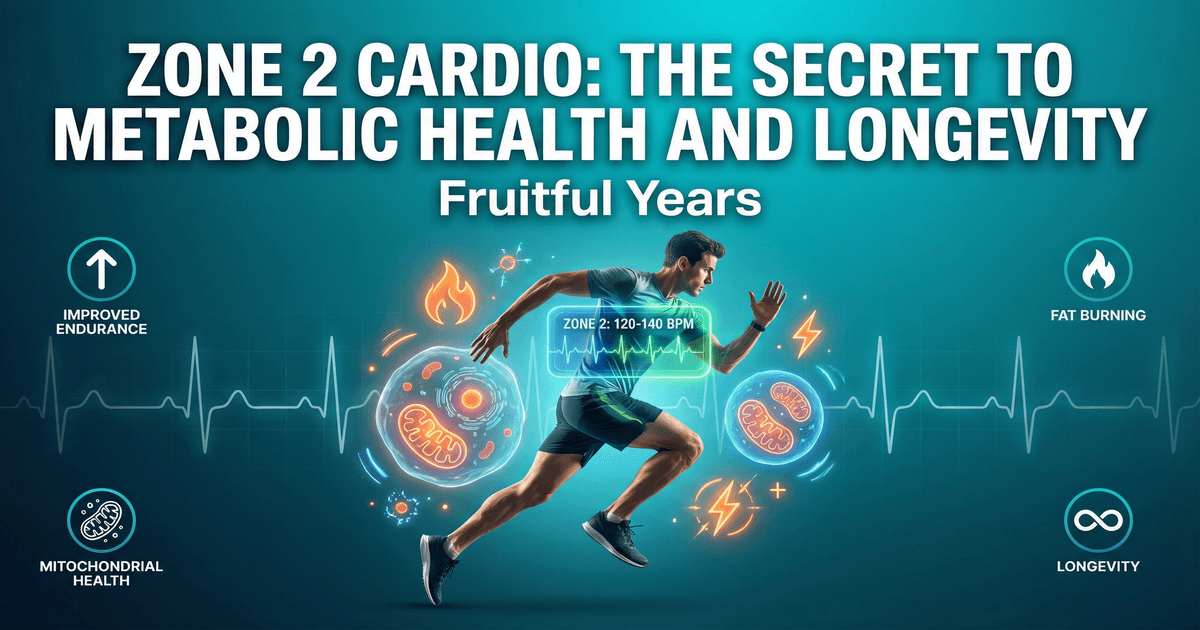
Zone 2 Cardio Explained
TLDR Zone 2 cardio is a moderate-intensity exercise that
Immediate Action Steps 1. Calculate Your Zone 2 Heart Rate
Introduction: Unlocking Longevity with Zone 2 Cardio
In the pursuit of a longer, healthier life, the spotlight often falls on diet, sleep, and stress management. However, one crucial element frequently overlooked is the power of exercise, specifically Zone 2 cardio. This moderate-intensity aerobic activity, often dismissed as
“easy” or “not intense enough,” is now recognized by longevity experts as a cornerstone for enhancing healthspan and slowing biological aging [1].
This article will delve into what Zone 2 cardio is, why it’s so vital for mitochondrial health, and how you can effectively incorporate it into your routine to unlock its profound benefits for a vibrant, extended life.
What is Zone 2 Cardio?
Zone 2 cardio refers to exercise performed at a moderate intensity, where your heart rate is typically between 60% and 70% of your maximum heart rate [2]. It’s the second level on a five-zone heart rate scale, characterized by an effort level where you can comfortably hold a conversation but are still slightly out of breath. This is often referred to as the “talk test.” [2]
Unlike high-intensity interval training (HIIT) or Zone 5 efforts, Zone 2 training is sustainable for longer durations, usually 30 minutes or more. It’s not about pushing your limits but rather about consistent, steady effort that allows your body to efficiently use fat as its primary fuel source.
Calculating Your Zone 2 Heart Rate
To accurately determine your Zone 2 heart rate, you first need to estimate your maximum heart rate (MHR). A common, albeit generalized, formula is:
MHR = 220 – Your Age [2]
Once you have your MHR, you can calculate your Zone 2 range:
Zone 2 Heart Rate = 60% to 70% of MHR [2]
For example, if you are 60 years old:
- MHR = 220 – 60 = 160 bpm
- Zone 2 Range = 0.60 160 to 0.70 160 = 96 to 112 bpm
While this formula provides a good starting point, individual variations exist. Using a heart rate monitor during exercise can help you stay within your target zone. Alternatively, the talk test is a practical way to gauge your intensity: if you can talk in full sentences but can’t sing, you’re likely in Zone 2.
The Mitochondrial Connection
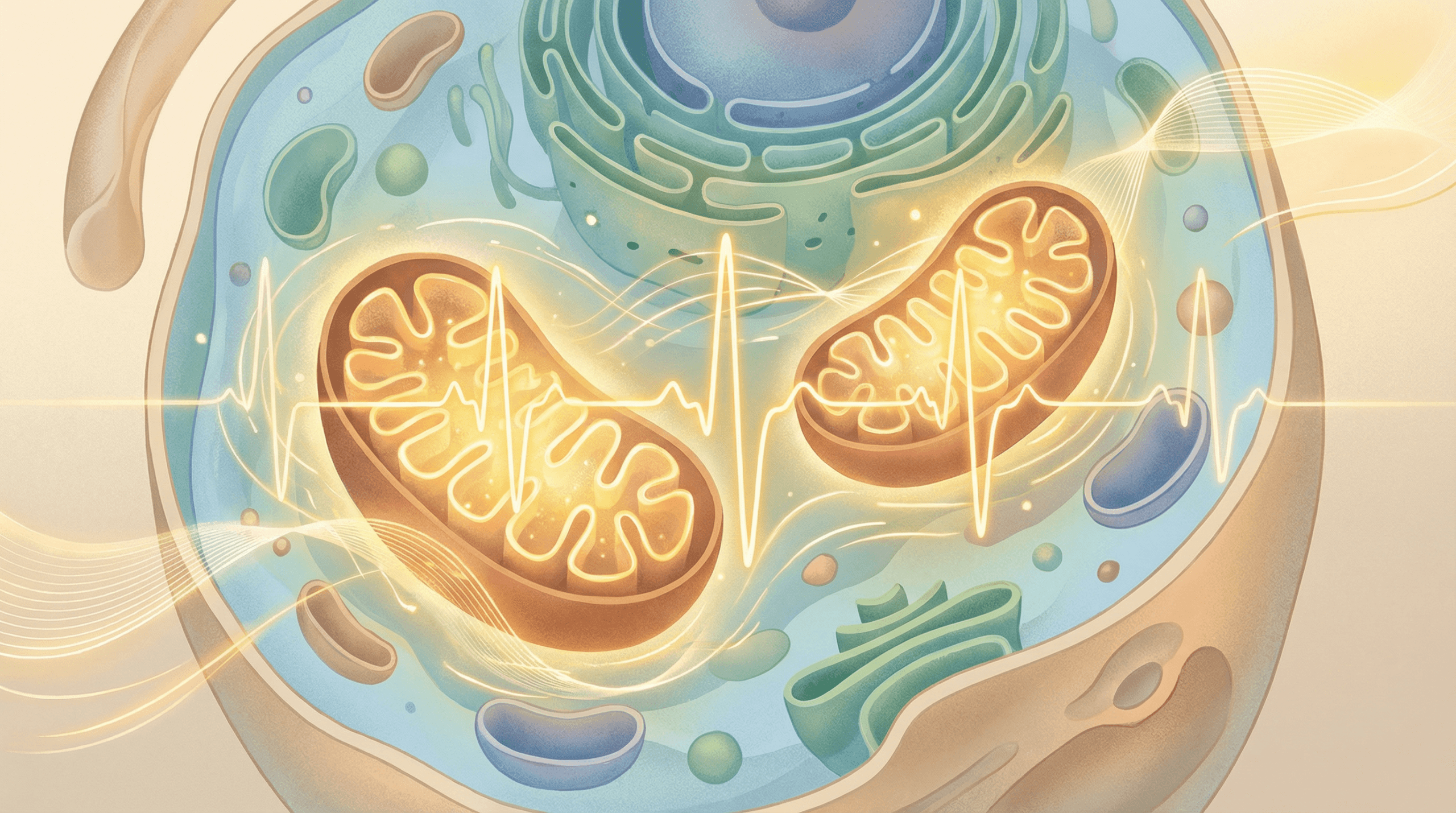
The true power of Zone 2 cardio lies in its profound impact on mitochondrial health. Mitochondria, often called the “powerhouses of the cell,” are responsible for generating most of the energy (ATP) needed for cellular functions. Healthy, efficient mitochondria are crucial for overall health, energy levels, and, significantly, for slowing the aging process [3].
Zone 2 training specifically targets and optimizes mitochondrial function through several mechanisms:
1. Enhanced Mitochondrial Biogenesis
Regular Zone 2 exercise stimulates mitochondrial biogenesis, the process by which new mitochondria are formed within cells [4]. This increase in mitochondrial density means your cells have more energy-producing units, leading to improved cellular efficiency and resilience. More and healthier mitochondria are directly linked to better metabolic health and a reduced risk of age-related diseases.
2. Improved Metabolic Flexibility
One of the most significant benefits of Zone 2 cardio is its ability to enhance metabolic flexibility . This is your body’s capacity to efficiently switch between burning carbohydrates and fats for fuel [5]. During Zone 2 exercise, your body primarily uses fat for energy.
Consistent training in this zone teaches your body to become more adept at fat oxidation, even at rest. This improved metabolic flexibility is critical for maintaining stable blood sugar levels, preventing insulin resistance, and reducing the risk of type 2 diabetes and other metabolic disorders that accelerate aging.
3. Increased Mitochondrial Efficiency and Function
Beyond creating new mitochondria, Zone 2 training also improves the efficiency and function of existing mitochondria. It enhances the activity of enzymes involved in the Krebs cycle and electron transport chain, leading to more efficient ATP production [6]. This means your mitochondria can generate more energy with less oxidative stress, which is a key contributor to cellular damage and aging.
4. Better Capillary Density and Oxygen Delivery
Zone 2 cardio also leads to an increase in capillary density around muscle fibers [2]. Capillaries are tiny blood vessels that deliver oxygen and nutrients to your cells and remove waste products. A denser capillary network means better oxygen delivery to your mitochondria, allowing them to function optimally and produce energy more effectively. This improved oxygen utilization is vital for sustained energy production and overall cardiovascular health.
Practical Steps to Incorporate Zone 2 Cardio
Integrating Zone 2 cardio into your routine doesn’t require specialized equipment or extreme efforts. Here’s how you can start:
1. Choose Your Activity Wisely

Almost any aerobic activity can be performed in Zone 2. Popular choices include:
- Brisk Walking: A vigorous walk where you can talk but not sing.
- Light Jogging: A slow, comfortable pace that you can maintain for an extended period.
- Cycling: A relaxed ride on a flat or slightly inclined surface.
- Swimming: Laps at a steady, unhurried pace.
- Elliptical or Rowing Machine: Maintain a consistent, moderate effort.
The key is to select an activity you enjoy and can sustain for at least 30 minutes without feeling overly fatigued.
2. Consistency Over Intensity
For Zone 2 training, consistency is far more important than intensity. Aim for at least 150 minutes of moderate-intensity aerobic activity per week, as recommended by the American Heart Association [2]. This can be broken down into 3-5 sessions of 30-60 minutes each. Regularity will yield the most significant benefits for your mitochondrial health and longevity.
3. Listen to Your Body
While heart rate monitors provide objective data, don’t underestimate the importance of listening to your body. The “talk test” is a reliable indicator. If you’re gasping for air, you’re likely in a higher zone.
If you can sing, you’re probably in Zone 1. Find that sweet spot where conversation is possible but requires a slight effort.
4. Gradual Progression
If you’re new to exercise, start slowly and gradually increase the duration and frequency of your Zone 2 sessions. Don’t try to do too much too soon, as this can lead to burnout or injury. The goal is sustainable progress.
Conclusion: Your Path to a Healthier, Longer Life
Zone 2 cardio is more than just a workout; it’s a powerful longevity strategy that directly impacts the health of your mitochondria, the fundamental units of energy production in your body. By enhancing mitochondrial biogenesis, improving metabolic flexibility, and optimizing cellular energy production, Zone 2 training offers a scientifically backed pathway to a longer, more vibrant healthspan.
Make Zone 2 cardio a non-negotiable part of your weekly routine. It’s an accessible, effective, and enjoyable way to invest in your long-term health and vitality. Start today, and take a significant step towards a future filled with energy and well-being.
Ready to assess your progress? Discover how your lifestyle choices impact your biological age with our Biological Age Calculator.
Sources and Further Reading
[1] Deeds Health. (n.d.). How Zone 2 Training Boosts Longevity . Retrieved from https://www.deedshealth.com/blog-posts/how-zone-2-training-boosts-longevity [2] Cleveland Clinic. (2025, October 13).
What Is Zone 2 Cardio? Retrieved from https://health.clevelandclinic.org/zone-2-cardio [3] Siphox Health. (2025, July 22). Why is zone 2 training ideal for longevity?
Retrieved from https://siphoxhealth.com/articles/why-is-zone-2-training-ideal-for-longevity [4] Healthspan. (2024, June 15). The Impact of Zone 2 Endurance Training on Mitochondrial Health . Retrieved from https://www.gethealthspan.com/research/article/zone-2-endurance-training-longevity-mitochondrial-health [5] EliteMed. (n.d.).
Zone 2 Training For Longevity: Dr. Sharma’s Expert Insights . Retrieved from https://elitemedlv.com/blog/enhancing-healthspan-and-longevity/ [6] Ubie Health. (2026, February 2).
Zone 2 Cardiovascular Exercise: Mitochondrial Health and Longevity . Retrieved from https://ubiehealth.com/doctors-note/zone-2-trainingx-cardio-mitochondrial-longevity-3321e2 [7] Peter Attia MD. (n.d.). Zone 2 Training Topic Guide .
Retrieved from https://peterattiamd.com/topic-guide/zone-2-training/ [8] Much Ado About Zone 2: A Narrative Review Assessing the Efficacy… (2025, June 25). Much Ado About Zone 2: A Narrative Review Assessing the Efficacy … . Retrieved from https://pubmed.ncbi.nlm.nih.gov/40560504/ [9] Exercise and mitochondrial health. (n.d.).
Exercise and mitochondrial health . Retrieved from https://pubmed.ncbi.nlm.nih.gov/31674658/ [10] Physical Exercise: A Novel Tool to Protect Mitochondrial… (n.d.). Physical Exercise: A Novel Tool to Protect Mitochondrial… .
Retrieved from https://www.frontiersin.org/journals/physiology/articles/10.3389/fphys.2021.660068/full
Q: How do I know if I’m in Zone 2?
A: Use the “talk test”—you should be able to hold a conversation but not sing comfortably. Alternatively, use a heart rate monitor to stay between 60-70% of your maximum heart rate (220 minus your age). If you’re breathing too hard to talk, you’re in a higher zone; if you can sing, you’re in Zone 1.
Q: Is Zone 2 cardio better than HIIT for longevity?
A: Both have benefits, but they serve different purposes. Zone 2 cardio specifically targets mitochondrial health, metabolic flexibility, and fat oxidation—key factors for longevity. HIIT builds cardiovascular fitness and strength quickly but can be more stressful on the body. For optimal longevity, combine both: 3-5 Zone 2 sessions weekly plus 1-2 HIIT sessions.
Paste this into ChatGPT, Claude, or your favorite AI assistant to explore this topic further:
👆 Select the text above and press Ctrl+C (or Cmd+C on Mac) to copy the entire prompt.
AI Prompts to Explore This Topic Further
Copy and paste any of these prompts into ChatGPT, Claude, or your favourite AI assistant:
- Prompt 1: Explain how Zone 2 cardio improves mitochondrial health and why it’s beneficial for people aged 55 and older.
- Prompt 2: Create a beginner-friendly weekly Zone 2 cardio workout plan suitable for someone with mild joint pain.
- Prompt 3: List common signs that someone is exercising too hard or too lightly during Zone 2 cardio sessions and how to adjust intensity properly.
- Prompt 4: “Act as a health coach and provide tips on how to integrate Zone 2 cardio into a daily routine for adults over 50 to maximize longevity and overall well-being.”
- Prompt 4: “Act as a medical researcher and summarize the latest scientific studies linking Zone 2 cardio to increased lifespan and healthy aging.”
Related Reading
- What is Zone 2 Cardio and Why Is It a Longevity Game-Changer?
- VO2 Max: The Single Best Predictor of Your Longevity?
- mTOR Explained: The Growth Pathway You Need to Control
Ready to Add Years to Your Life?
Get our free 7-Day Longevity Quick-Start Checklist — evidence-based micro-habits you can start today, no gym required.
{
“@context”: “https://schema.org”,
“@type”: “Article”,
“headline”: “Zone 2 Cardio Explained: The Best Exercise for Mitochondrial Health”,
“description”: “Zone 2 Cardio Explained TLDR Zone 2 cardio is a moderate-intensity exercise that Immediate Action Steps 1. Calculate Your Zone 2 Heart Rate Introduction: Unlocking Longevity with Zone 2 Cardio In the”,
“url”: “https://fruitfulyears.com/zone-2-cardio-explained-the-best-exercise-for-mitochondrial-health/”,
“author”: {
“@type”: “Person”,
“name”: “Ken Gardner”,
“url”: “https://fruitfulyears.com/about/”
},
“publisher”: {
“@type”: “Organization”,
“name”: “Fruitful Years”,
“url”: “https://fruitfulyears.com/”,
“logo”: {
“@type”: “ImageObject”,
“url”: “https://fruitfulyears.com/wp-content/uploads/logo.png”
}
},
“datePublished”: “2026-03-01”,
“dateModified”: “2026-03-04”,
“mainEntityOfPage”: {
“@type”: “WebPage”,
“@id”: “https://fruitfulyears.com/zone-2-cardio-explained-the-best-exercise-for-mitochondrial-health/”
}
}
Key Takeaway
Engaging in moderate-intensity, steady-state cardio regularly supports mitochondrial health, which is crucial for aging well. Focusing on consistency and heart rate monitoring helps maximize benefits while minimizing injury risk.
Practical Movement Strategies for Longevity
- Incorporate Zone 2 cardio sessions 3-4 times per week, maintaining 60-70% of your maximum heart rate for 30-60 minutes.
- Use walking, cycling, or swimming as accessible Zone 2 activities that promote mitochondrial efficiency and cardiovascular health.
- Combine Zone 2 cardio with strength training twice weekly to preserve muscle mass and metabolic function.
- Monitor heart rate using wearable devices to ensure you stay within the optimal Zone 2 range for mitochondrial benefits.
- Prioritize consistency over intensity to support sustained mitochondrial adaptations and reduce the risk of injury.
“Regular aerobic exercise at moderate intensity enhances mitochondrial function and is key to healthy aging.”
Insight: For adults over 60, steady Zone 2 cardio is a sustainable way to boost energy production and maintain independence.