
Rapamycin and Metformin: The Longevity Drugs Being Studied
I. Introduction: Unlocking the Secrets to a Longer
In our quest for a life filled with vitality and well-being, the concept of healthspan —the period of life spent in good health, free from chronic diseases—has gained significant attention. It’s a universal desire to not just live longer, but to live better, maintaining our physical and cognitive functions as we age. This pursuit has led scientists to explore various avenues, including the potential of pharmaceutical interventions.
TL;DR: Rapamycin and Metformin for Longevity
- Rapamycin and metformin are drugs being studied for their potential to extend healthspan and lifespan.
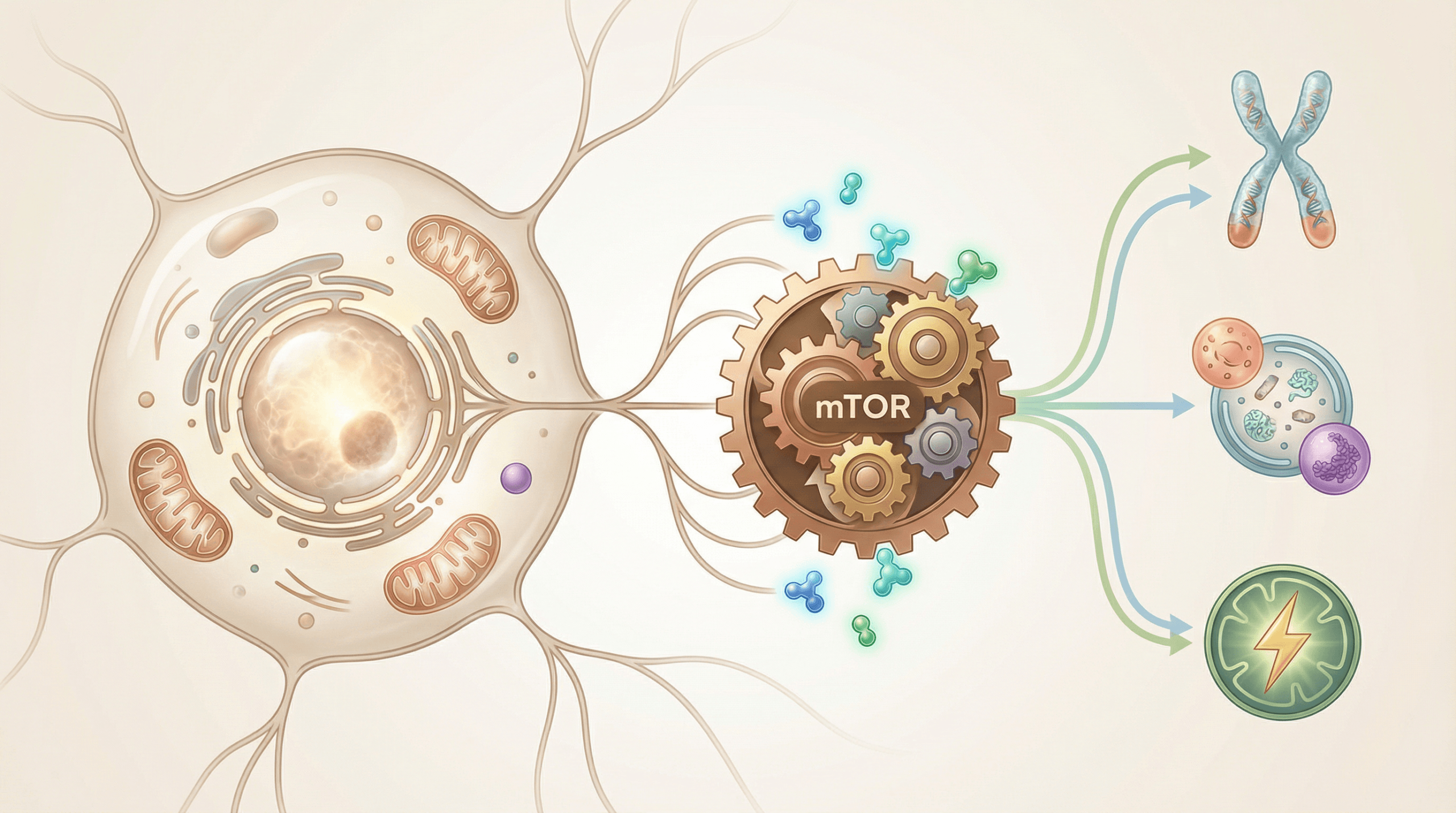
- Rapamycin works by inhibiting the mTOR pathway, promoting cellular repair and autophagy.
- Metformin, a diabetes drug, may improve metabolic health and reduce age-related disease risk.
- Both drugs show promise but require more human studies to confirm safety and effectiveness.
Among the most promising compounds currently under intense scrutiny in the field of longevity research are rapamycin and metformin . These drugs, initially recognized for their roles in organ transplantation and diabetes management, respectively, are now being investigated for their remarkable potential to slow the aging process and prevent age-related diseases. This article will delve into the science behind rapamycin and metformin, examining their mechanisms of action, the evidence supporting their longevity benefits, potential risks, and practical considerations for those interested in extending their healthspan.
II. Rapamycin: Targeting the mTOR Pathway for Longevity
Rapamycin, originally discovered in the 1970s from a bacterium found on Easter Island (Rapa Nui), is a macrolide antibiotic primarily known for its potent immunosuppressive properties, making it invaluable in preventing organ transplant rejection [1]. More recently, its role in anti-aging therapy has garnered significant interest due to its unique mechanism of action.
Mechanism of Action: Inhibiting mTOR
Rapamycin exerts its effects by inhibiting the mechanistic Target of Rapamycin (mTOR) pathway. The mTOR pathway is a central regulator of cell growth, metabolism, and survival, responding to nutrient availability and growth factors. As we age, mTOR activity tends to increase, contributing to various age-related pathologies such as cancer, atherosclerosis, and neurodegeneration [2].
By inhibiting mTOR, rapamycin essentially mimics the cellular state of nutrient scarcity, similar to the effects of caloric restriction. This inhibition shifts cellular processes from growth and synthesis towards maintenance and repair, promoting autophagy —a crucial cellular recycling process that removes damaged proteins and organelles [3]. This cellular housekeeping is believed to be a key mechanism by which rapamycin contributes to longevity.
Preclinical Evidence: A Strong Foundation
The evidence for rapamycin’s longevity-promoting effects is robust in preclinical studies. It has consistently been shown to extend the lifespan and healthspan of various model organisms, including yeast, flies, and rodents [4]. For instance, studies in mice have demonstrated that rapamycin administration, even when started in mid-life, can extend lifespan by 9%–14% and delay the onset of age-related diseases [5]. These findings have fueled optimism about its potential in humans.
Human Studies and Clinical Trials: Promising, Yet Cautious
Translating these promising animal findings to humans is a complex endeavor. While rapamycin is FDA-approved for specific medical conditions, its use for longevity is considered off-label and is not yet widely recognized by the broader clinical community. Early clinical studies suggest that short-term rapamycin or its analogs (rapalogs) may improve aspects of immune function in older adults [6].
However, these studies often rely on surrogate markers, and the long-term effects and safety of chronic mTOR inhibition in healthy humans are still being investigated. The Participatory Evaluation (of) Aging (With) Rapamycin (for) Longevity (PEARL) trial is one such ongoing study aiming to establish a long-term safety profile and determine the efficacy of rapamycin in reducing clinical aging measures [7]. The initial results from PEARL indicated that low-dose intermittent rapamycin was well-tolerated over one year and showed modest changes in biomarkers of biological aging, though long-term clinical benefits require further confirmation.
Potential Benefits and Side Effects
Beyond its potential to extend lifespan, rapamycin may offer benefits such as improved immune function and reduced incidence of certain age-related pathologies. However, it also comes with potential side effects, including immunosuppression, metabolic issues like glucose intolerance and hyperlipidemia, and impaired wound healing [8]. These risks highlight the need for careful consideration and medical supervision.
III. Metformin: More Than Just a Diabetes Drug
Metformin, a widely prescribed oral medication for Type 2 Diabetes, has a history dating back to the 17th century with the use of French lilac extracts. Its ability to lower blood glucose has made it a cornerstone in diabetes management worldwide [9]. However, recent research has unveiled its potential far beyond glycemic control, positioning it as a significant player in the longevity arena.
Mechanism of Action: Influencing Cellular Energy
Metformin’s anti-aging effects are primarily attributed to its influence on cellular energy metabolism, particularly through the activation of AMP-activated protein kinase (AMPK). AMPK is a cellular energy sensor that, when activated, promotes catabolic processes (energy production) and inhibits anabolic processes (energy consumption). This activation leads to improved insulin sensitivity, reduced glucose production by the liver, and enhanced cellular energy efficiency [10]. Metformin also impacts nutrient sensing pathways, reduces inflammation, and may promote autophagy, contributing to its broad effects on cellular health and aging [11].
Preclinical Evidence: Extending Healthspan
Similar to rapamycin, metformin has demonstrated impressive results in preclinical models. Studies have shown that metformin can extend both the lifespan and healthspan of various organisms, including the roundworm Caenorhabditis elegans and laboratory mice [12]. In mice, metformin has been shown to delay aging and reduce the incidence of age-related diseases.
Human Studies and Clinical Trials: A Repurposed Promise
Metformin’s long history of safe use in humans for diabetes treatment makes it an attractive candidate for repurposing as an anti-aging drug. Observational studies in diabetic individuals treated with metformin have suggested a survival benefit, even when compared to non-diabetic controls [13]. It has been associated with a reduced risk of cardiovascular disease and certain cancers in diabetic patients.
The Targeting Aging with Metformin (TAME) trial is a landmark clinical study designed to investigate whether metformin can delay the onset of age-related diseases and extend healthspan in non-diabetic older adults [14]. This trial aims to provide definitive evidence on metformin’s anti-aging potential in humans.
Potential Benefits and Side Effects
The potential benefits of metformin for longevity include a reduced risk of age-related diseases, improved metabolic health, and anti-inflammatory effects. Its side effect profile is generally mild, with gastrointestinal issues being the most common. A rare but serious side effect is lactic acidosis, though this is significantly less common with metformin compared to older biguanides [9].
IV. Comparing Rapamycin and Metformin

While both rapamycin and metformin are exciting prospects in the field of longevity, they operate through distinct mechanisms and have different profiles:
| Feature | Rapamycin | Metformin |
| :—————— | :—————————————– | :——————————————– |
| Primary Mechanism | mTOR inhibition | AMPK activation |
| Initial Use | Immunosuppressant (organ transplants) | Anti-diabetic (Type 2 Diabetes) |
| Preclinical Data| Robust lifespan extension in many models | Lifespan/healthspan extension in some models |
| Human Data | Early clinical trials, off-label use | Extensive observational data, TAME trial ongoing |
| Key Benefits | Autophagy, immune modulation | Metabolic health, anti-inflammatory |
| Key Risks | Immunosuppression, metabolic side effects | Gastrointestinal issues, rare lactic acidosis |
Both drugs share the overarching goal of extending healthspan and lifespan by targeting fundamental aging pathways. However, rapamycin’s robust animal data on lifespan extension contrasts with metformin’s established human safety profile and emerging longevity data from observational studies. Rapamycin’s effects are more directly linked to cellular repair and immune modulation, while metformin primarily influences metabolic health and energy sensing. The choice between, or combination of, these drugs for longevity purposes would depend on individual health profiles and specific aging pathways targeted.
V. Practical Considerations and Actionable Steps for
It’s crucial to approach the topic of rapamycin metformin longevity with a balanced perspective. While these drugs hold immense promise, they are not a magic bullet, and their use for longevity is still largely experimental and not FDA-approved.
The Importance of a Holistic Approach
No drug can replace the foundational pillars of a healthy lifestyle. A holistic approach to longevity remains paramount, encompassing:
- Balanced Nutrition: A diet rich in whole foods, fruits, vegetables, and lean proteins, with an emphasis on nutrient density and mindful eating.
- Regular Exercise: A combination of cardiovascular, strength training, and flexibility exercises to maintain physical function and metabolic health.
- Quality Sleep: Adequate and restorative sleep is essential for cellular repair, hormone regulation, and cognitive function.
- Stress Management: Chronic stress can accelerate aging, making practices like meditation, mindfulness, and spending time in nature vital.
Current Status and Medical Guidance
Currently, neither rapamycin nor metformin is FDA-approved specifically for longevity. Any use for anti-aging purposes is considered off-label. It is imperative to consult with a qualified healthcare professional before considering any such interventions.
They can assess your individual health status, discuss potential benefits and risks, and guide you through evidence-based strategies. Self-medication with these powerful drugs can be dangerous and is strongly discouraged.
Future Outlook and Personalized Medicine
The field of longevity medicine is rapidly evolving. Ongoing research and clinical trials will continue to shed light on the optimal use of rapamycin and metformin, as well as other potential longevity interventions. The future likely lies in personalized medicine, where interventions are tailored to an individual’s unique genetic makeup, biomarkers, and health profile.
VI. Conclusion: The Future of Longevity Medicine
The exploration of rapamycin and metformin represents a significant frontier in our quest for extended healthspan and a deeper understanding of the aging process. These drugs, with their distinct yet complementary mechanisms of action, offer tantalizing glimpses into a future where we can potentially modulate aging at a cellular level. However, it is essential to temper enthusiasm with scientific rigor and a commitment to safety. While the research continues to unfold, the most powerful tools for longevity remain within our grasp: a healthy lifestyle, informed choices, and the guidance of healthcare professionals.
We encourage you to continue your journey towards a longer, healthier life by exploring the resources available on Fruitful Years. Discover your biological age and gain personalized insights to optimize your healthspan today.
Sources and Further Reading
[1] Harrison, D. E., Strong, R., Astle, Z., et al. (2009). Rapamycin fed late in life extends lifespan in genetically heterogeneous mice. Nature, 460(7253), 392–395. https://www.nature.com/articles/nature08221
[2] Kennedy, B. K., & Lamming, D. W. (2016).
The mTOR pathway and age-related disease. Cell Host & Microbe , 19(6), 755–763. https://www.cell.com/cell-host-microbe/fulltext/S1931-3128(16)30200-X
[3] Rubinsztein, D. C., Marino, G., & Kroemer, G. (2011). Autophagy and aging. Cell, 146(5), 682–695. https://www.cell.com/cell/fulltext/S0092-8674(11)00891-6
[4] Johnson, S. C., Rabinovitch, P. S., & Kaeberlein, M. (2013). mTOR is a key modulator of lifespan, ageing and age-related disease. Nature, 493(7432), 338–345. https://www.nature.com/articles/nature11861
[5] Harrison, D. E., Strong, R., Astle, Z., et al. (2009). Rapamycin fed late in life extends lifespan in genetically heterogeneous mice. Nature, 460(7253), 392–395. https://www.nature.com/articles/nature08221
[6] Mannick, J. B., et al. (2014). mTOR inhibition improves immune function in the elderly. Science Translational Medicine, 6(268), 268ra179. https://www.science.org/doi/10.1126/scitranslmed.3009892
[7] Participatory Evaluation (of) Aging (With) Rapamycin (for) Longevity (PEARL) Trial. ClinicalTrials.gov. https://clinicaltrials.gov/study/NCT04488601
[8] Houde, V. P., et al. (2010). Chronic rapamycin treatment causes glucose intolerance and hyperlipidemia in mice. American Journal of Physiology-Endocrinology and Metabolism, 298(6), E1228-E1236. https://journals.physiology.org/doi/full/10.1152/ajpendo.00693.2009
[9] Soukas, A. A., Hao, H., & Wu, L. (2019). Metformin as Anti-Aging Therapy: Is It for Everyone? Trends in Endocrinology & Metabolism, 30(10), 745–755. https://www.cell.com/trends/endocrinology-metabolism/fulltext/S1043-2760(19)30149-1
[10] Foretz, M., et al. (2010). Metformin: from an ancient herb to a modern drug. Diabetologia, 53(10), 2252–2261. https://link.springer.com/article/10.1007/s00125-010-1887-7
[11] Salminen, A., et al. (2012). Metformin inhibits mTORC1 signaling through an AMPK-independent mechanism. Journal of Cellular and Molecular Medicine, 16(10), 2325–2334. https://onlinelibrary.wiley.com/doi/full/10.1111/j.1582-4934.2012.01552.x
[12] Martin-Montalvo, A., et al. (2013). Metformin improves healthspan and lifespan in mice. Nature Communications, 4, 2194. https://www.nature.com/articles/ncomms3194
[13] Campbell, J. M., et al. (2017). Metformin as a potential anti-aging drug with pleiotropic effects. Aging Cell, 16(1), 16–25. https://onlinelibrary.wiley.com/doi/full/10.1111/acel.12532
[14] Targeting Aging with Metformin (TAME) Trial. American Federation for Aging Research. https://www.afar.org/tame-trial
Q: Can I take rapamycin or metformin for longevity if I don’t have a medical condition?
A: Currently, neither drug is FDA-approved for longevity purposes. Rapamycin requires a prescription and is typically reserved for transplant patients or specific medical conditions. Metformin is prescribed for diabetes or prediabetes. Some longevity-focused doctors may prescribe these off-label, but you must consult a qualified physician who can assess your individual risk-benefit profile.
Q: Which is safer for long-term use: rapamycin or metformin?
A: Metformin generally has a better-established safety profile for long-term use, with decades of data from diabetes patients. Rapamycin has more significant potential side effects (immunosuppression, metabolic issues) and less long-term human data for anti-aging purposes. The PEARL and TAME trials are working to establish clearer safety profiles for both drugs in healthy aging populations.
Paste this into ChatGPT, Claude, or your favorite AI assistant to explore this topic further:
👆 Select the text above and press Ctrl+C (or Cmd+C on Mac) to copy the entire prompt.
AI Prompts to Explore This Topic Further
Copy and paste any of these prompts into ChatGPT, Claude, or your favourite AI assistant:
- Prompt 1: “Explain how rapamycin affects the aging process and what current research says about its benefits and risks for people over 55.”
- Prompt 2: “Summarize the latest clinical trials studying metformin as a drug for healthy aging and longevity, including potential side effects.”
- Prompt 3: “Compare rapamycin and metformin in terms of their mechanisms, benefits, and limitations as longevity drugs for older adults.”
- Prompt 4: “Act as a health coach and create a practical guide for adults over 50 on lifestyle changes that complement the effects of rapamycin and metformin for promoting healthy aging.”
- Prompt 4: “Act as a medical ethicist and discuss the potential ethical considerations and societal impacts of widespread use of rapamycin and metformin for longevity purposes.”
Related Reading
- How to Build a Morning Routine for Longevity
- The Longevity Benefits of Walking: How 10,000 Steps a Day Can Change Your Life
- VO2 Max: The Single Best Predictor of Your Longevity?
Deep Dive AI Prompts
Use these prompts with ChatGPT or any AI assistant to explore this topic further:
- Explain the molecular mechanisms by which rapamycin influences aging and age-related diseases.
- Summarize the latest clinical trial results on metformin’s effects on longevity and healthspan in humans.
- Compare the benefits and risks of rapamycin and metformin as potential longevity supplements for adults over 50.
Frequently Asked Questions
What is rapamycin and how does it affect aging? Rapamycin is a drug that inhibits the mTOR pathway, which regulates cell growth and metabolism. By doing so, it promotes cellular repair processes like autophagy, potentially slowing aging and age-related diseases.
How does metformin contribute to longevity? Metformin is primarily a diabetes medication that improves insulin sensitivity and metabolic health. Research suggests it may also reduce inflammation and lower the risk of age-related conditions, supporting longer healthspan.
Are rapamycin and metformin safe for healthy older adults? While both drugs have established safety profiles for their approved uses, their long-term effects for healthy aging are not fully understood. Medical supervision is essential before considering their use for longevity.
Can I take rapamycin or metformin to live longer now? Currently, these drugs are not approved specifically for anti-aging purposes. Ongoing clinical trials aim to clarify their benefits and risks. Consult a healthcare professional before starting any new medication.
Key Takeaway
Reducing or eliminating exposure to harmful substances is a practical and impactful way to protect your body as you age. Making mindful choices about what you consume and avoid can help preserve your healthspan and improve quality of life.
Reducing Risk for a Longer Healthspan
- Limit exposure to tobacco and secondhand smoke to reduce inflammation and cellular damage.
- Avoid excessive alcohol consumption, which accelerates aging-related diseases and impairs metabolism.
- Minimize intake of processed and high-sugar foods linked to chronic inflammation and metabolic decline.
- Steer clear of unnecessary use of medications without medical supervision to prevent adverse side effects.
- Reduce exposure to environmental pollutants and chemicals that contribute to oxidative stress and DNA damage.
“Chronic exposure to tobacco smoke and excessive alcohol consumption accelerates biological aging and significantly reduces life expectancy.”
Insight: By consciously avoiding risky substances like tobacco, excess alcohol, and processed foods, adults over 60 can significantly lower their risk of chronic diseases and support healthier aging.