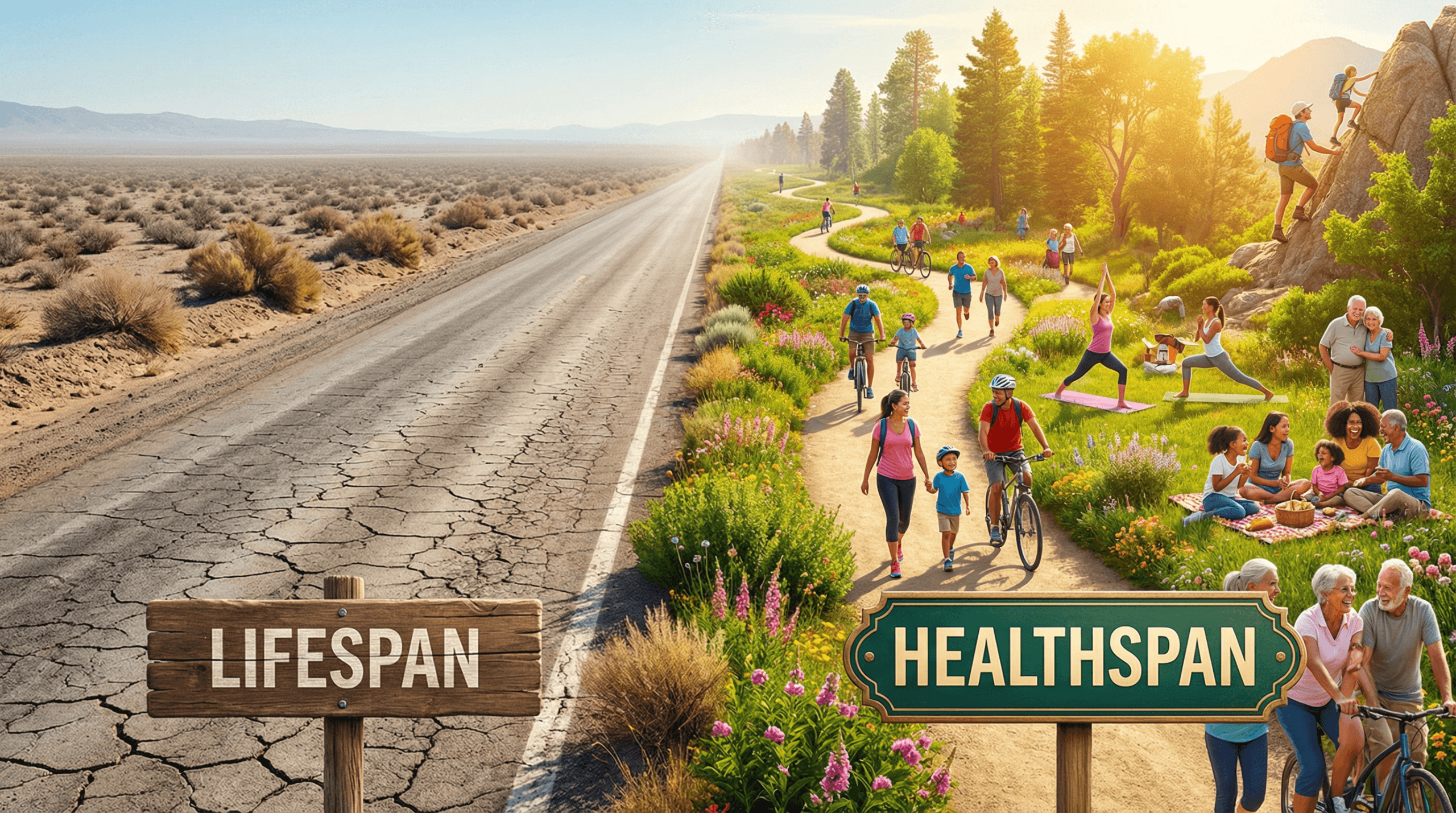
In the quest for a long and fulfilling life, two terms often emerge: lifespan and healthspan. While they might sound similar, understanding the crucial difference between them is paramount for anyone over 50 aiming not just to add years to their life, but to add life to their years. This article will delve into what separates these concepts, why healthspan is gaining prominence, and how you can actively work towards a vibrant, healthy future.
The Modern Paradox of Longevity: Living Longer, But Living Better?
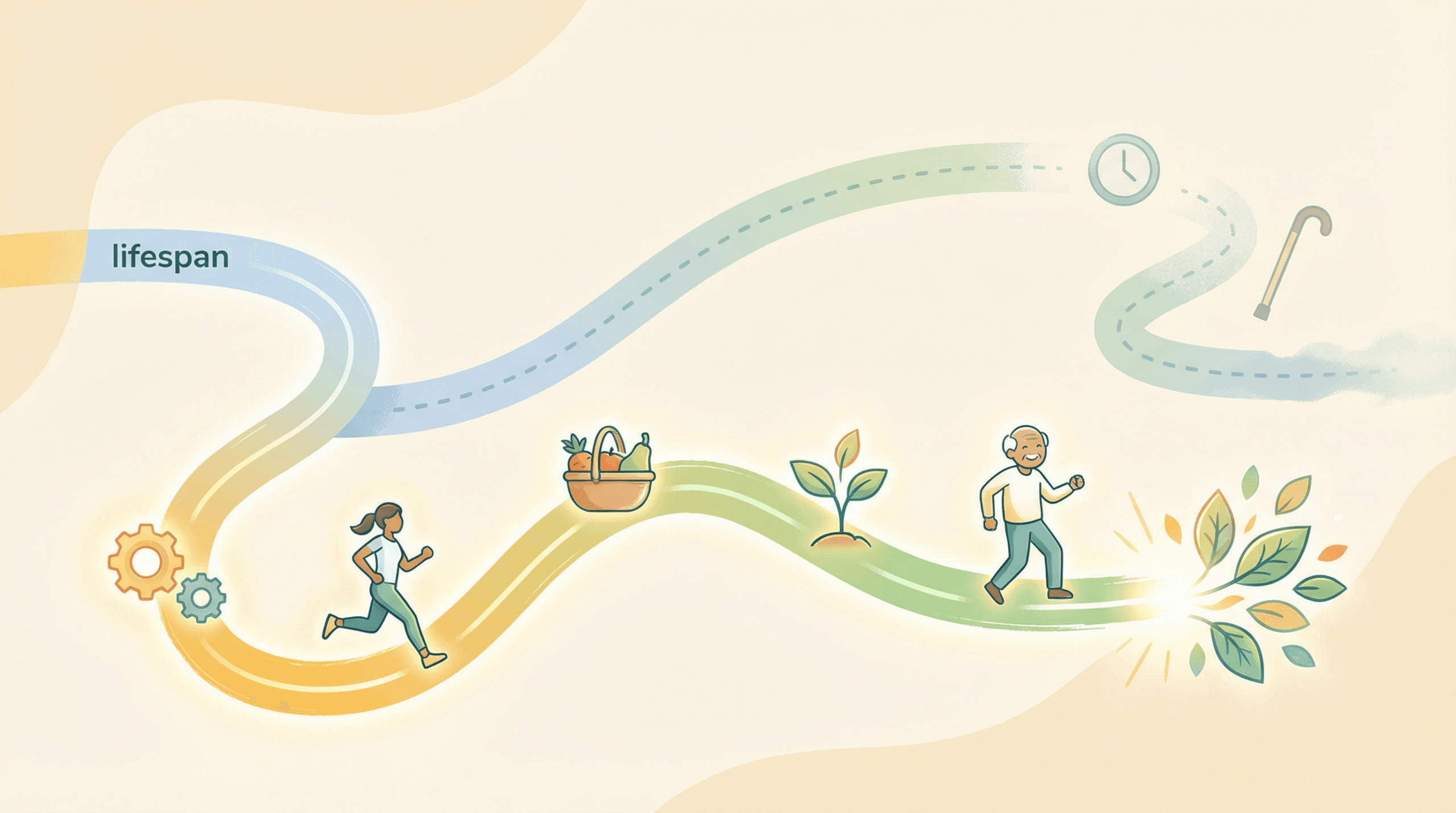
For centuries, humanity’s primary goal was to extend lifespan – the sheer number of years we exist from birth to death. Thanks to advancements in medicine, sanitation, and nutrition, global life expectancy has dramatically increased. However, this triumph presents a new challenge: are these extended years truly lived in good health, or are they often accompanied by chronic illness and diminished quality of life? This is the modern paradox of longevity, and it’s where the concept of healthspan becomes critically important. It’s not enough to simply live longer; the aspiration is to live better for longer.
Defining Lifespan: The Quantity of Years
Lifespan is the most straightforward of the two terms, referring to the total number of years an individual lives [1]. It’s a quantitative measure, a simple count from birth to death. Historically, human lifespan was significantly shorter due to infectious diseases, famine, and lack of medical care. The last century has seen remarkable progress, with many countries now boasting average lifespans well into the 70s and 80s. Factors contributing to this increase include breakthroughs in vaccinations, antibiotics, improved public health infrastructure, and better understanding of nutrition. While genetics play a role, environmental factors and medical advancements have been the primary drivers of this extended quantity of years [2].
Defining Healthspan: The Quality of Years
In contrast to lifespan, healthspan focuses on the quality of those years. It is defined as the period of life spent free from chronic disease, disability, and significant age-related decline [1]. Imagine living to 90, but spending the last 20 years battling multiple chronic conditions, relying heavily on medication, and struggling with daily activities. This scenario highlights a long lifespan but a significantly shorter healthspan. The goal of extending healthspan is to compress morbidity, meaning to reduce the period of illness and dependency at the end of life, allowing for more active, independent, and enjoyable years [3]. Globally, there’s an estimated nine-year gap between average lifespan and healthspan, indicating that many individuals spend a significant portion of their later years in declining health [4]. This growing awareness is shifting the focus of longevity research and personal health goals from merely extending life to enhancing the vitality within those years.
The Interplay: How Lifespan and Healthspan Connect
It’s crucial to understand that lifespan and healthspan are not mutually exclusive; rather, they are deeply intertwined. While it’s possible to have a long lifespan with a short healthspan, the ideal is to extend both, with healthspan ideally approaching lifespan. Extending your healthspan often naturally contributes to a longer lifespan, as a body free from chronic disease is more resilient and better equipped to ward off life-threatening conditions. The objective is not just to prevent death, but to prevent the decline that precedes it, ensuring that the added years are truly lived with vigor and purpose. This integrated approach emphasizes proactive health management, focusing on preventing disease and maintaining functional independence as long as possible.
Biological Mechanisms of Aging: The Science Behind Healthspan
The pursuit of extending healthspan is deeply rooted in understanding the fundamental biological mechanisms of aging. Scientists are increasingly unraveling the complex processes that drive age-related decline and disease. Key mechanisms include [5]:
- Cellular Senescence: Often referred to as “zombie cells,” senescent cells are damaged cells that stop dividing but don’t die. Instead, they accumulate in tissues, releasing inflammatory molecules that contribute to chronic inflammation and tissue dysfunction, hallmarks of aging [6].
- Inflammation (Inflammaging): Chronic low-grade inflammation, often driven by senescent cells and other factors, is a significant contributor to age-related diseases like cardiovascular disease, Alzheimer’s, and cancer [7].
- Telomere Dysfunction: Telomeres are protective caps at the ends of chromosomes. With each cell division, they shorten. Critically short telomeres can trigger cellular senescence or apoptosis (programmed cell death), impacting tissue repair and regeneration [8].
- Loss of Proteostasis: This refers to the impaired ability of cells to maintain the proper synthesis, folding, and degradation of proteins. Accumulation of misfolded or aggregated proteins can lead to cellular dysfunction and is implicated in neurodegenerative diseases [9].
By targeting these fundamental processes, researchers aim to develop interventions that can delay the onset of multiple age-related diseases simultaneously, thereby extending healthspan. This shift from treating individual diseases to addressing the root causes of aging represents a paradigm shift in medicine.
Actionable Strategies to Maximize Your Healthspan
While the “magic pill” for eternal youth remains elusive, scientific studies consistently show that lifestyle factors profoundly affect how well we age and extend our healthspan [10]. Here are actionable strategies you can adopt to maximize your healthspan:
1. Prioritize Stress Reduction
Chronic stress is a silent assailant, detrimental to overall health and a significant contributor to accelerated aging. It throws hormones and physiological processes out of whack, leading to chronic inflammation and increased risk of various diseases [11].
- Practice Mindfulness and Meditation: Even a few minutes a day can significantly reduce stress levels.
- Engage in Hobbies: Dedicate time to activities you enjoy, whether it’s reading, gardening, or playing music.
- Deep Breathing Exercises: Simple techniques can calm your nervous system and bring you back to baseline.
2. Cultivate Strong Social Connections
Loneliness has been declared an epidemic, with profound negative impacts on health, increasing the risk of dementia, autoimmune conditions, heart disease, and depression [12].
- Reach Out: Connect with friends and family regularly, whether in person, by phone, or video call.
- Volunteer: Engage in community activities that align with your interests.
- Join Groups: Participate in clubs or classes to meet new people and foster a sense of belonging.
3. Optimize Your Sleep
Quality sleep is non-negotiable for a healthy healthspan. It’s essential for mood regulation, memory processing, and overall cellular repair. Insufficient sleep increases the risk of chronic conditions like cardiovascular disease and cognitive problems [13].
- Establish a Consistent Sleep Schedule: Go to bed and wake up at the same time each day, even on weekends.
- Create a Relaxing Bedtime Routine: This could include a warm bath, reading a book, or gentle stretching.
- Optimize Your Sleep Environment: Ensure your bedroom is cool, dark, and quiet. Avoid screens before bed.
4. Embrace Optimal Nutrition
Your diet is a powerful tool for extending healthspan. Focus on nutrient-dense foods and minimize processed items.
- Adopt a Mediterranean or MIND Diet: These diets emphasize fruits, vegetables, whole grains, lean proteins, and healthy fats, and have been shown to reduce the risk of chronic health problems and cognitive decline [14].
- Avoid Processed Foods: Limit packaged foods high in additives, unhealthy fats, sugar, and refined carbohydrates. Hydrate well and limit sugary drinks.
5. Engage in Regular Physical Activity

Exercise is a cornerstone of healthspan, protecting against a wide array of chronic diseases and supporting cognitive function [15].
- Aerobic Exercise: Aim for at least 150 minutes of moderate-intensity aerobic activity per week (e.g., brisk walking, cycling, swimming).
- Strength Training: Incorporate two days of strength training per week to maintain muscle mass and bone density.
- Stay Active Throughout the Day: Break up long periods of sitting with short walks or stretches.
6. Avoid Risky Substances
Drugs, excessive alcohol, and tobacco are significant detriments to healthspan, contributing to numerous health problems.
- Quit Smoking: This is one of the most impactful steps you can take for your health.
- Moderate Alcohol Intake: If you drink, do so in moderation.
7. Stimulate Your Mind
Cognitive stimulation is vital for maintaining brain health and preventing cognitive decline.
- Learn New Skills: Take up a new language, instrument, or hobby.
- Read Regularly: Challenge your brain with diverse literature.
- Engage in Brain Games: Puzzles, crosswords, and strategic games can keep your mind sharp.
Conclusion: Investing in Your Future Self
The distinction between healthspan vs lifespan is more than just semantics; it’s a call to action. While living longer is a gift, living healthier for those extended years is a choice we can actively make. By understanding the biological underpinnings of aging and adopting proactive lifestyle strategies, you have the power to significantly influence your healthspan. Start small, be consistent, and remember that every positive choice you make today is an investment in a more vibrant, independent, and fulfilling future. The journey to a longer healthspan begins with a single step—and that step can be taken today.
Discover your biological age and take the first step towards a longer, healthier future with our biological age calculator.
References
[1] Mayo Clinic Q and A: Lifespan vs. healthspan. Mayo Clinic News Network.
[2] World Health Organization. Global Health Observatory: Life expectancy.
[3] Fries JF. Aging, natural death, and the compression of morbidity. N Engl J Med. 1980;303(3):130-135.
[4] World Health Organization. Healthy ageing and functional ability.
[5] López-Otín C, et al. The hallmarks of aging. Cell. 2013;153(6):1194-1217.
[6] Campisi J. Aging, cellular senescence, and cancer. Annu Rev Physiol. 2013;75:685-705.
[7] Franceschi C, et al. Inflammaging: a new immune-metabolic viewpoint for age-related diseases. Nat Rev Endocrinol. 2018;14(10):576-590.
[8] Blackburn EH, Epel ES, Lin J. Human telomere biology: a contributory and interactive factor in aging, disease risks, and protection. Science. 2015;350(6265):1193-1198.
[9] Hartl FU, Bracher A, Hayer-Hartl M. Molecular chaperones in protein folding and proteostasis. Nature. 2011;475(7356):324-332.
[10] Longo VD, et al. Interventions to slow aging in humans: are we ready? Aging Cell. 2015;14(4):497-510.
[11] Epel ES, et al. Accelerated telomere shortening in response to life stress. Proc Natl Acad Sci USA. 2004;101(49):17312-17315.
[12] Holt-Lunstad J, Smith TB, Layton JB. Social relationships and mortality risk: a meta-analytic review. PLoS Med. 2010;7(7):e1000316.
[13] Walker MP. Why We Sleep: Unlocking the Power of Sleep and Dreams. Scribner; 2017.
[14] Morris MC, et al. MIND diet associated with reduced incidence of Alzheimer’s disease. Alzheimers Dement. 2015;11(9):1007-1014.
[15] Booth FW, Roberts CK, Laye MJ. Lack of exercise is a major cause of chronic diseases. Compr Physiol. 2012;2(2):1143-1211.
Related Reading
- Understanding your biological age can provide deeper insight into your healthspan, and learning ways to reduce it can help you stay healthier for longer.
- Implementing proven methods to lower your biological age is a powerful way to enhance your healthspan and improve quality of life as you age.
- Exploring concepts like longevity escape velocity (LEV) can offer hope and strategies for extending both lifespan and healthspan in meaningful ways.
AI Prompts to Explore This Topic Further
Copy and paste any of these prompts into ChatGPT, Claude, or your favourite AI assistant:
- Prompt 1: “Explain practical daily habits for people over 55 to extend their healthspan and improve quality of life.”
- Prompt 2: “List common age-related health risks that reduce healthspan and ways to prevent or delay them.”
- Prompt 3: “Create a 7-day meal and exercise plan focused on boosting healthspan for adults aged 60 to 70.”
- Prompt 4: “Act as a gerontologist and explain the key scientific differences between healthspan and lifespan, including how emerging research is shaping strategies for aging well beyond just living longer.”
- Prompt 4: “Act as a longevity coach and provide motivational strategies to help people over 50 prioritize activities that enhance healthspan rather than just focusing on extending lifespan.”
References & Further Reading
Ready to take control of how you age?