
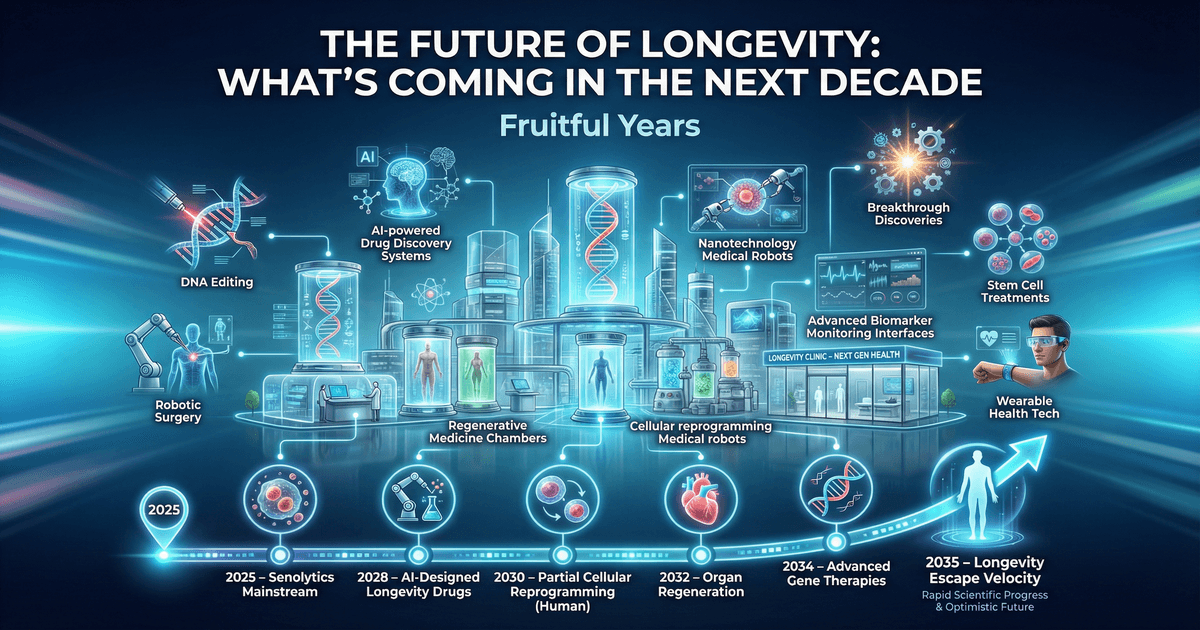
The Future of Longevity: Gene Therapies and Cellular Reprogramming
I. Introduction: Unlocking the Secrets to a Longer, Healthier Life
The age-old human dream of extending life, once confined to myths and science fiction, is rapidly moving into the realm of scientific possibility. We are standing at the precipice of a new era where breakthroughs in biotechnology promise not just longer lives, but healthier, more vibrant ones. This article delves into the exciting future of longevity, exploring two of the most revolutionary approaches: gene therapies and cellular reprogramming. These cutting-edge interventions aim to tackle aging at its fundamental biological roots, offering the potential to significantly extend our healthspan – the period of life spent in good health – and redefine what it means to grow old.
II. Understanding the Biological Clock: The Hallmarks of Aging
To truly appreciate the potential of gene therapies and cellular reprogramming, it’s essential to understand the complex biological processes that drive aging. Scientists have identified several
hallmarks of aging, which are cellular and molecular changes that accumulate over time, contributing to the decline in function and increased susceptibility to age-related diseases. These hallmarks include: genomic instability, telomere attrition, epigenetic alterations, loss of proteostasis, mitochondrial dysfunction, cellular senescence, altered intercellular communication, stem cell exhaustion, and deregulated nutrient sensing [2]. Each of these plays a critical role in the aging process, and targeting them offers promising avenues for intervention.
III. Gene Therapy: Rewriting the Code of Aging
Gene therapy, at its core, involves modifying an individual’s genes to treat or prevent disease. In the context of longevity, this means introducing new genetic material or altering existing genes to counteract the biological processes of aging. The primary goal is to enable the body to produce therapeutic proteins or regulate gene expression in a way that promotes youthful cellular function and extends healthspan [1].
What is Gene Therapy?
Gene therapy typically utilizes vectors, often modified viruses like adeno-associated viruses (AAVs), to deliver specific genes into target cells. Once delivered, these genes can either replace faulty ones, introduce new protective genes, or modulate the activity of existing genes. The beauty of this approach lies in its potential for long-lasting effects, as a single treatment could theoretically provide sustained therapeutic benefits for years [4].
Key Gene Targets for Longevity
Research in gene therapy for longevity is focusing on several key genes and pathways:
- Klotho: This protein is a powerful endogenous regulator of metabolism, oxidative stress, inflammation, and mineral homeostasis. Studies have shown that systemic delivery of secreted Klotho (s-KL) via AAV9 vectors significantly extended lifespan and improved multi-organ function in wild-type aging mice [1], [3]. This demonstrates Klotho’s potential to enhance resilience against age-related decline.
- Telomerase Reverse Transcriptase (TERT): Telomeres are protective caps at the ends of our chromosomes that shorten with each cell division. Critically short telomeres trigger cellular senescence, a state where cells stop dividing and can contribute to inflammation and tissue damage. TERT is an enzyme that can maintain or even lengthen telomeres, thereby preventing cellular senescence and promoting cellular rejuvenation [2].
- Follistatin: This protein is known for its role in muscle growth and regeneration. By inhibiting myostatin, a protein that limits muscle growth, follistatin could help combat age-related muscle loss (sarcopenia) and improve physical function in older adults [4].
- Sirtuins (e.g., SIRT6): Sirtuins are a family of proteins involved in various cellular processes, including DNA repair, genome stability, and metabolic regulation. Activating sirtuins through gene therapy could enhance the body’s natural defense mechanisms against aging and improve cellular resilience [4].
Advantages and Challenges
The primary advantage of gene therapy is its potential for durable, long-term effects from a single administration, offering a transformative shift from chronic disease management to preventative, restorative interventions. However, challenges remain, including the potential for immune responses to viral vectors, ensuring precise gene delivery to avoid off-target effects, and navigating complex ethical and regulatory considerations [1].
IV. Cellular Reprogramming: Resetting the Age of Our Cells
Cellular reprogramming represents another groundbreaking frontier in longevity research. This approach aims to
revert mature cells to a more youthful state, effectively resetting their biological clock. The concept is rooted in the discovery that adult cells can be reprogrammed into induced pluripotent stem cells (iPSCs) by introducing specific transcription factors, often referred to as Yamanaka factors (OSKM) [2].
The Concept of Cellular Reprogramming
While full reprogramming to iPSCs is valuable for regenerative medicine, it carries the risk of tumor formation. For longevity applications, the focus is on partial cellular reprogramming, a process where cells are exposed to reprogramming factors for a shorter duration, enough to rejuvenate them without erasing their cellular identity or inducing pluripotency. This partial reset aims to reverse age-related epigenetic changes and restore youthful cellular functions [2].
Mechanisms of Rejuvenation
Partial cellular reprogramming primarily works by reversing age-related epigenetic modifications. Epigenetics refers to changes in gene expression that do not involve alterations to the underlying DNA sequence, such as DNA methylation and histone modifications. These epigenetic marks accumulate with age, contributing to cellular dysfunction. By briefly expressing Yamanaka factors, scientists can rewind the epigenetic clock, leading to a more youthful gene expression profile and improved cellular health [2].
Promising Research and Early Trials
Research in cellular reprogramming has shown remarkable results in animal models. Studies have demonstrated that partial reprogramming can improve age-related phenotypes, enhance physiological function, and even extend the lifespan of mice [2], [4]. For instance, it has been observed that partial reprogramming can restore muscle function, improve kidney health, and enhance wound healing in aged animals. The excitement surrounding this field is further amplified by recent developments, including the clearance by the FDA for the first human cellular reprogramming trial aimed at age-related vision diseases [5]. This marks a significant step towards translating this technology into human therapies.
Challenges and Future Potential
Despite its immense potential, cellular reprogramming faces challenges. Precisely controlling the degree of reprogramming to achieve rejuvenation without inducing tumor formation is crucial. Ensuring the safety and efficacy of these interventions in humans will require extensive research and rigorous clinical trials. However, the future potential is vast, offering the possibility of reversing cellular aging in specific tissues or even the entire organism, thereby combating a wide range of age-related diseases simultaneously.
V. The Road Ahead: Navigating the Future of Longevity Interventions

The journey from groundbreaking scientific discovery to widely accessible therapeutic intervention is often long and complex. For gene therapies and cellular reprogramming, several critical areas of development and consideration lie ahead.
Advancements in Delivery and Specificity
One major focus is on refining delivery systems for gene therapies. Engineered adeno-associated viruses (AAVs) are being developed to improve tissue targeting, such as those capable of crossing the blood-brain barrier more efficiently, enabling less invasive treatment for neurological aging [4]. Furthermore, the use of tissue-specific promoters will allow for precise gene expression in desired cells, minimizing off-target effects and enhancing safety. The development of non-viral delivery methods, such as lipid nanoparticles, also holds promise for safer and more versatile applications.
Combinatorial Therapies and Controlled Expression
The complexity of aging suggests that a single intervention may not be sufficient to address all its facets. Therefore, combinatorial gene therapies, which involve co-delivering multiple genes (e.g., sKL, TERT, SIRT6), are being explored to simultaneously target several hallmarks of aging. This synergistic approach could lead to more comprehensive and robust rejuvenation [4]. Crucially, the integration of inducible promoters or gene switches will allow clinicians to fine-tune transgene activity, providing an essential layer of control to prevent overexpression or adverse effects, and enabling personalized treatment regimens.
Translational Hurdles and Ethical Considerations
Before these therapies can reach widespread human application, rigorous validation in large animal models and non-human primates is essential. These studies will assess long-term durability of gene expression, evaluate immune responses to vectors, and confirm that benefits observed in mice can be replicated in species more physiologically similar to humans. Beyond the scientific hurdles, the ethical and societal implications of extending human lifespan are profound. Discussions around equitable access to these transformative technologies, their potential impact on healthcare systems, and broader societal structures are vital. Robust regulatory frameworks will be indispensable to ensure the safe and responsible development and deployment of these powerful interventions [4].
VI. Actionable Steps for a Longer, Healthier Today
While the promise of gene therapies and cellular reprogramming for the future of longevity is incredibly exciting, these interventions are still largely in experimental stages. Fortunately, there are many evidence-based strategies you can implement today to significantly impact your healthspan and slow biological aging. These foundational practices remain paramount, regardless of future scientific advancements:
- Nourish Your Body with a Balanced Diet: Focus on whole, unprocessed foods rich in antioxidants, vitamins, and minerals. Embrace anti-inflammatory diets, such as the Mediterranean diet, which emphasizes fruits, vegetables, whole grains, lean proteins, and healthy fats. Mindful eating practices can also improve digestion and nutrient absorption.
- Prioritize Regular Physical Activity: Engage in a combination of aerobic exercise, strength training, and flexibility exercises. Regular physical activity helps maintain muscle mass, improves cardiovascular health, boosts cognitive function, and enhances cellular repair mechanisms. Even moderate exercise, like a daily brisk walk, can have significant benefits.
- Optimize Your Sleep: Quality sleep is crucial for cellular repair, hormone regulation, and cognitive function. Aim for 7-9 hours of uninterrupted sleep per night. Establish a consistent sleep schedule, create a relaxing bedtime routine, and optimize your sleep environment to promote restful sleep.
- Manage Stress Effectively: Chronic stress accelerates aging at a cellular level. Incorporate stress-reduction techniques into your daily routine, such as meditation, yoga, deep breathing exercises, spending time in nature, or engaging in hobbies you enjoy. Cultivating resilience to stress is a powerful longevity strategy.
- Cultivate Strong Social Connections: Research consistently shows that strong social ties and a sense of community are linked to longer, healthier lives. Nurture relationships with family and friends, participate in community activities, and find purpose in helping others. Social engagement can reduce feelings of isolation and improve overall well-being.
VII. Conclusion: Embracing the Longevity Revolution
The future of longevity is unfolding before our eyes, driven by remarkable advancements in gene therapies and cellular reprogramming. These revolutionary approaches hold the potential to fundamentally alter how we age, moving beyond merely treating age-related diseases to actively reversing the aging process itself. While the scientific journey is ongoing, the progress made so far offers a compelling vision of a future where extended healthspan is not just a dream, but a tangible reality.
However, it is crucial to remember that while these future technologies are incredibly promising, the power to influence your healthspan today lies in your hands. By adopting a holistic approach to health – prioritizing nutrition, exercise, sleep, stress management, and social connection – you are laying a robust foundation for a longer, healthier, and more fulfilling life. Embrace the longevity revolution by taking proactive steps now, and prepare to thrive in the exciting decades ahead.
Ready to take control of your healthspan today? Discover your biological age and personalized longevity insights with our free Biological Age Calculator!
References
[1] Jing, Y., Ren, J., Qu, J., & Liu, G.-H. (2025). Gene therapy strategies for aging intervention. Cell Insight, 4(4), 100254. Retrieved from https://www.sciencedirect.com/science/article/pii/S2772892725000288
[2] Kitaeva, K. V., Solovyeva, V. V., Blatt, N. L., & Rizvanov, A. A. (2024). Eternal Youth: A Comprehensive Exploration of Gene, Cellular, and Pharmacological Anti-Aging Strategies. International Journal of Molecular Sciences, 25(1), 643. Retrieved from https://pmc.ncbi.nlm.nih.gov/articles/PMC10778954/
[3] Dean, G. (2025, March 27). One-Time Anti-Aging Gene Therapy Treatment Prolongs Life by 20%, New Study Shows. NAD.com. Retrieved from https://www.nad.com/news/one-time-anti-aging-gene-therapy-treatment-prolongs-life-by-20-new-study-shows
[4] MarinBio. (2025, July 24). Gene Therapy for Anti-Aging and Longevity: Current Insights, Comparative Strategies, and Future Directions. Marin Biologic Laboratories. Retrieved from https://www.marinbio.com/gene-therapy-for-anti-aging-and-longevity-current-insights-comparative-strategies-and-future-directions/
[5] Lifespan.io. (2026, February 6). First Human Cellular Reprogramming Trial Cleared by the FDA. Lifespan.io. Retrieved from https://lifespan.io/news/first-human-cellular-reprogramming-trial-cleared-by-the-fda/
Q: When will gene therapy and cellular reprogramming be available for anti-aging?
A: The first human cellular reprogramming trial for age-related vision diseases has been FDA-approved, marking a significant milestone. However, widespread availability for general anti-aging purposes is likely 10-20 years away. Current research is in early clinical trials, and extensive safety and efficacy testing is required before these therapies become mainstream.
Q: Are these therapies safe, or do they risk causing cancer?
A: Safety is the primary concern in longevity research. Full cellular reprogramming (creating iPSCs) does carry tumor risk, which is why researchers focus on partial reprogramming that rejuvenates cells without erasing their identity. Gene therapies using AAV vectors have shown good safety profiles in other applications, but long-term safety for anti-aging use is still being studied. Rigorous clinical trials will determine the safety profile before approval.
Paste this into ChatGPT, Claude, or your favorite AI assistant to explore this topic further:
👆 Select the text above and press Ctrl+C (or Cmd+C on Mac) to copy the entire prompt.
AI Prompts to Explore This Topic Further
Copy and paste any of these prompts into ChatGPT, Claude, or your favourite AI assistant:
- Prompt 1: Explain how gene therapies work to slow aging, including current research and potential benefits for people over 55.
- Prompt 2: Summarize the latest advancements in cellular reprogramming and their implications for healthy aging in seniors.
- Prompt 3: Provide a list of questions to ask a doctor about gene therapy and cellular reprogramming as options for longevity treatments.
- Prompt 4: “Act as a longevity expert and outline practical lifestyle changes that could complement gene therapies and cellular reprogramming for healthier aging.”
- Prompt 4: “Act as a futurist and describe the ethical considerations and societal impacts of widespread use of gene therapies and cellular reprogramming for extending human lifespan.”