
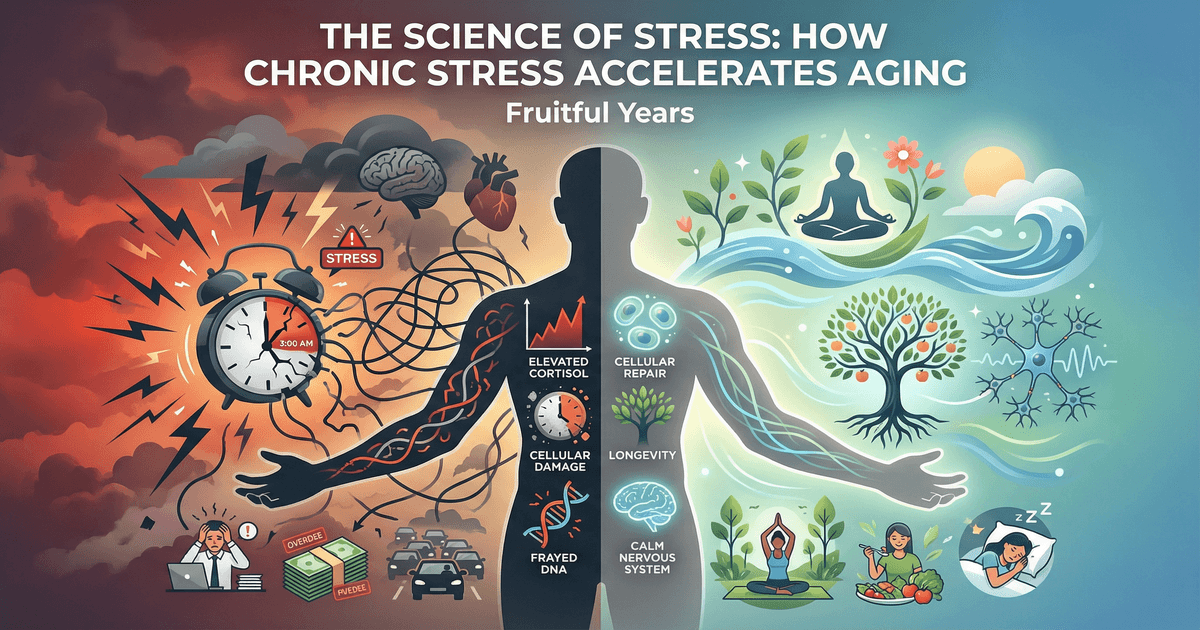
The Science of Stress: How Cortisol Ages You and 3 Ways to Stop It
In our fast-paced modern world, stress has become an unwelcome constant. From demanding careers to personal responsibilities, the pressures of daily life can feel relentless. While a certain level of stress can be a motivator, chronic stress, the kind that lingers and permeates every aspect of our existence, is a silent saboteur of our health and longevity. At the heart of this intricate dance between stress and aging lies cortisol, often dubbed the body’s primary stress hormone. While essential for our survival in acute situations, prolonged elevation of cortisol can accelerate biological aging, impacting everything from our cellular health to our cognitive function.
This article delves into the profound science behind how cortisol ages you, exploring its mechanisms at a cellular level. More importantly, we will equip you with three actionable, evidence-based strategies to mitigate its detrimental effects, empowering you to reclaim your vitality and extend your healthspan. Understanding this connection is the first step towards a more resilient and longer life.
The Cortisol Connection: Your Body’s Stress Response
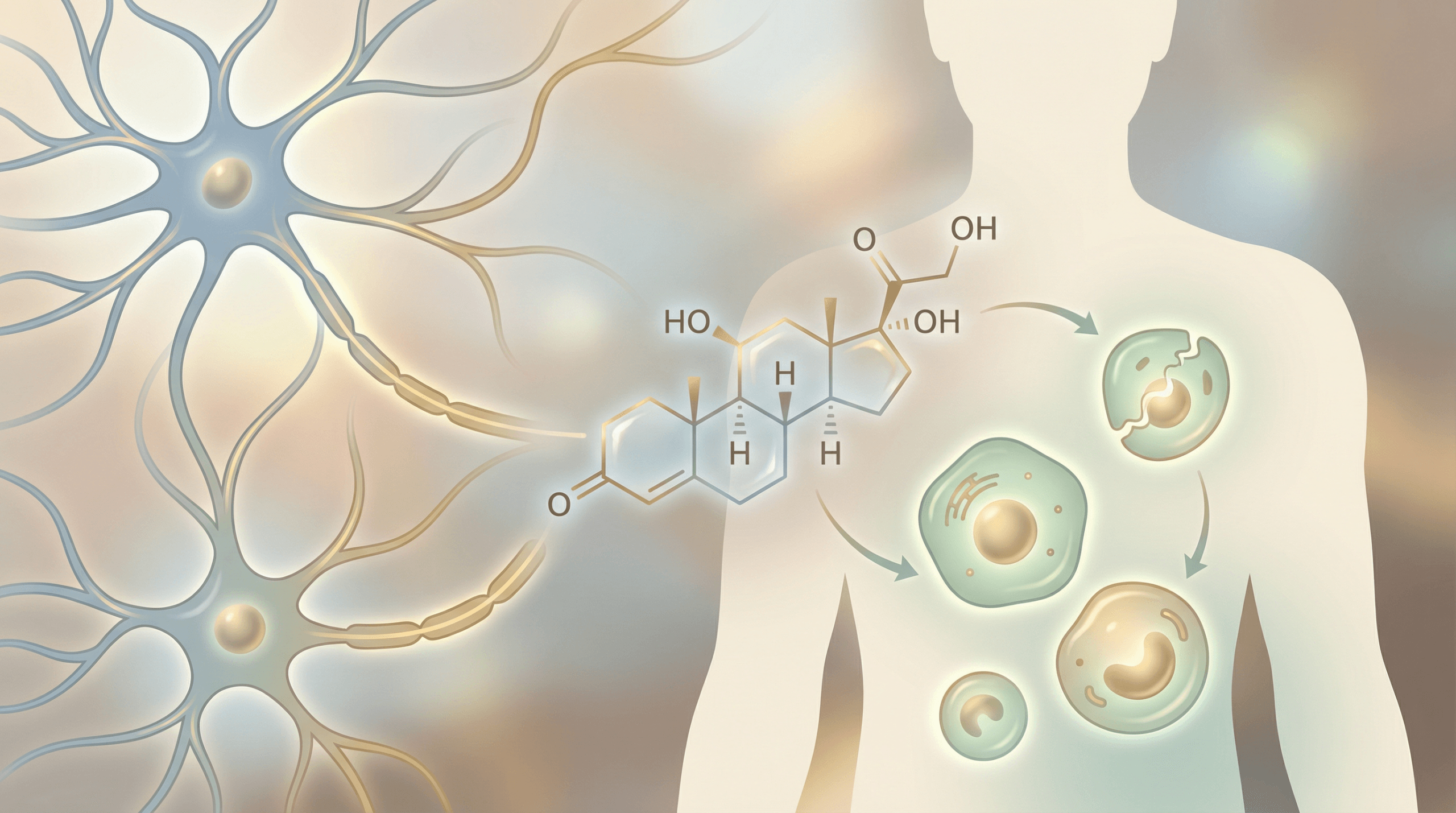
Cortisol, a glucocorticoid hormone produced by the adrenal glands, is a vital component of our body’s stress response system. In moments of perceived danger or high demand, cortisol floods our system, preparing us for a ‘fight or flight’ reaction. It mobilizes glucose from stores, suppresses non-essential bodily functions like digestion and reproduction, and sharpens our senses, all to help us survive immediate threats. This acute response is not only normal but crucial for our survival.
The production and regulation of cortisol are orchestrated by a complex communication network known as the Hypothalamic-Pituitary-Adrenal (HPA) axis. When the brain perceives stress, the hypothalamus releases corticotropin-releasing hormone (CRH), which signals the pituitary gland to release adrenocorticotropic hormone (ACTH). ACTH then travels to the adrenal glands, prompting them to produce and release cortisol. Under normal circumstances, a negative feedback loop ensures that once the threat passes, cortisol levels return to baseline, and the HPA axis calms down.
The critical distinction lies between acute stress and chronic stress. Acute stress, like narrowly avoiding a car accident, triggers a temporary surge in cortisol that quickly subsides. Our bodies are well-equipped to handle these short bursts. However, the challenges of modern life often lead to chronic stress – persistent financial worries, demanding jobs, relationship issues, or ongoing health concerns. This sustained exposure to stressors keeps the HPA axis in overdrive, leading to continuously elevated cortisol levels. It is this prolonged elevation that begins to wreak havoc on our biological systems, accelerating the aging process.
How Cortisol Accelerates Biological Aging
The sustained presence of high cortisol levels, a hallmark of chronic stress, does not merely make us feel older; it actively drives biological aging at a cellular and systemic level. This insidious process manifests through several key mechanisms:
Telomere Shortening: Perhaps one of the most well-understood links between stress and aging is its impact on telomeres. Telomeres are protective caps at the ends of our chromosomes, akin to the plastic tips on shoelaces. They safeguard our genetic material during cell division. Each time a cell divides, telomeres naturally shorten. However, chronic stress and elevated cortisol significantly accelerate this shortening process [1]. Shorter telomeres are a recognized biomarker of biological aging and are associated with an increased risk of age-related diseases and reduced lifespan [2]. When telomeres become too short, cells can no longer divide and enter a state called cellular senescence, contributing to tissue dysfunction and inflammation.
Chronic Inflammation: Cortisol typically has anti-inflammatory properties, but chronic exposure to high levels can paradoxically lead to a state of chronic low-grade inflammation. This occurs because prolonged cortisol exposure can desensitize immune cells to its anti-inflammatory signals, leading to a dysregulated immune response [3]. Chronic inflammation, often referred to as “inflammaging,” is a foundational driver of numerous age-related conditions, including cardiovascular disease, neurodegenerative disorders, and certain cancers.
Oxidative Stress and DNA Damage: Elevated cortisol levels can increase the production of reactive oxygen species (ROS) within cells, leading to oxidative stress. Oxidative stress is an imbalance between the production of free radicals and the body’s ability to counteract their harmful effects. These free radicals can damage cellular components, including DNA, proteins, and lipids [4]. While our bodies have mechanisms to repair DNA damage, chronic cortisol exposure can impair these repair pathways, allowing damage to accumulate and further accelerating cellular aging.
Mitochondrial Dysfunction: Mitochondria are the powerhouses of our cells, responsible for generating energy. Chronic stress and high cortisol can negatively impact mitochondrial function, leading to reduced energy production and increased oxidative stress within these organelles. Dysfunctional mitochondria are a key feature of aging and contribute to a decline in cellular vitality and resilience.
Cognitive Decline: The brain is particularly vulnerable to the effects of chronic stress and cortisol. Prolonged exposure can lead to structural changes in brain regions vital for memory and learning, such as the hippocampus. This can manifest as impaired cognitive function, memory problems, and an increased risk of neurodegenerative diseases like Alzheimer’s [5]. Cortisol can also disrupt neurotransmitter balance, affecting mood and contributing to anxiety and depression.
Metabolic Dysfunction: Cortisol plays a crucial role in regulating metabolism. Chronically high levels can lead to insulin resistance, increased abdominal fat accumulation, and dysregulation of blood sugar. This metabolic imbalance increases the risk of type 2 diabetes, metabolic syndrome, and cardiovascular disease, all of which are closely linked to accelerated aging.
3 Ways to Stop Cortisol from Aging You
While the prospect of cortisol accelerating aging can seem daunting, the good news is that we are not powerless. By actively engaging in stress management and adopting specific lifestyle changes, we can effectively mitigate cortisol’s detrimental effects and promote a healthier, longer life. Here are three actionable strategies:
1. Master Stress Reduction Techniques
Developing a repertoire of effective stress reduction techniques is paramount to taming the cortisol response. These practices help to calm the nervous system, signaling to your body that it is safe to shift out of a constant state of alert:
Mindfulness and meditation, ancient practices with significant scientific backing, effectively regulate the HPA axis and reduce cortisol levels. Regular mindfulness meditation can lead to structural changes in the brain, enhancing emotional regulation and stress resilience [6]. Even a few minutes daily can make a profound difference. Complementing this, simple yet powerful deep breathing exercises can rapidly activate the parasympathetic nervous system, counteracting the stress response. Techniques like diaphragmatic breathing immediately lower heart rate and blood pressure, signaling to your body to relax.
Mind-body practices such as Yoga and Tai Chi, which combine physical postures, breathing exercises, and meditation, are highly effective in reducing perceived stress, improving mood, and lowering circulating stress hormones. Their gentle movements and focused breathing promote a sense of calm and well-being. Furthermore, spending time in natural environments, often referred to as “forest bathing” (Shinrin-yoku), has been shown to reduce cortisol levels, blood pressure, and heart rate. The calming sounds, sights, and smells of nature can profoundly impact our physiological stress response.
2. Optimize Lifestyle for Cortisol Balance
Beyond direct stress reduction techniques, foundational lifestyle choices play a critical role in maintaining a healthy cortisol balance and supporting overall longevity:
Quality sleep is a powerful restorative process; conversely, chronic sleep deprivation is a significant stressor that elevates cortisol. Aim for 7-9 hours of high-quality sleep per night. Establishing a consistent sleep schedule, creating a dark and cool sleep environment, and avoiding screens before bed can significantly improve sleep hygiene and, consequently, cortisol regulation [7].
Our diet profoundly impacts our stress response. A balanced nutrition plan, rich in whole, unprocessed foods, healthy fats, lean proteins, and an abundance of fruits and vegetables, provides the essential nutrients to support adrenal function and reduce inflammation. Limiting refined sugars, excessive caffeine, and highly processed foods is crucial to prevent blood sugar spikes and crashes that can trigger cortisol release. Additionally, incorporating adaptogens like Ashwagandha or Rhodiola, under professional guidance, may help the body adapt to stress.
Regular, moderate physical activity is a potent stress reliever. It helps to metabolize excess adrenaline and cortisol, improves mood, and enhances overall resilience. However, it is crucial to avoid overtraining, as intense, prolonged exercise without adequate recovery can paradoxically increase cortisol levels. The key is to find a balance that feels energizing, not depleting.
Humans are inherently social creatures, and strong social bonds serve as a powerful buffer against stress. Loneliness and social isolation are significant stressors that can elevate cortisol and negatively impact health. Nurturing meaningful relationships, engaging with your community, and seeking opportunities for connection are vital. The support and camaraderie derived from social interactions can significantly reduce perceived stress and promote overall well-being [8].
3. Cultivate a Resilient Mindset
Our perception of stress profoundly influences our physiological response. Cultivating a resilient mindset can change how our bodies react to challenging situations, thereby moderating cortisol release:
Learning to identify and reframe negative thought patterns, a core principle of Cognitive Behavioral Therapy (CBT), can significantly reduce the emotional impact of stressors. CBT techniques help us challenge irrational beliefs and develop more constructive ways of thinking, leading to a calmer physiological state. Complementing this, regularly practicing gratitude can shift our focus from what is lacking or stressful to what is positive and abundant in our lives. This simple practice has been shown to reduce stress hormones and improve overall well-being. Keeping a gratitude journal or simply taking a few moments each day to reflect on things you are thankful for can be transformative.
In an always-on world, it\’s easy to feel overwhelmed. Learning to say no, delegating tasks, and protecting your personal time and energy are crucial for preventing burnout and chronic stress. Clear boundaries communicate your needs and help manage expectations, both your own and others. Finally, having a strong sense of purpose and meaning in life can act as a powerful buffer against stress. When we feel connected to something larger than ourselves, daily stressors often seem less overwhelming. Engaging in activities that align with your values and contribute to a sense of fulfillment can enhance resilience and promote a more balanced cortisol profile [9].
Your Next Step Toward a Longer, Healthier Life

Chronic stress and its primary orchestrator, cortisol, exert a profound and undeniable influence on the pace of our biological aging. From the shortening of our telomeres to the inflammation that silently erodes our health, the evidence is clear: unmanaged stress accelerates the very processes that lead to age-related decline. However, this understanding is not a cause for despair, but rather a powerful call to action.
Empowerment lies in the knowledge that aging is not an entirely predetermined fate. While genetics play a role, our lifestyle choices, particularly how we manage stress, hold immense power to shape our healthspan. By consciously integrating stress reduction techniques, optimizing our daily habits, and cultivating a resilient mindset, we can actively counteract cortisol’s aging effects.
We encourage you to embark on this journey of proactive longevity. Start by implementing one or two of the strategies discussed today. Observe the subtle yet significant shifts in your well-being. To further support your journey and gain deeper insights into your personal aging trajectory, we invite you to explore the Fruitful Years biological age calculator. Understanding your current biological age can be a powerful motivator and a valuable tool for tracking your progress as you embrace a life less aged by stress.
Sources and Further Reading
[1] Epel, E. S., et al. (2004). Accelerated telomere shortening in response to life stress. Proceedings of the National Academy of Sciences, 101(49), 17312-17315. https://www.pnas.org/doi/10.1073/pnas.0407162101
[2] Shammas, M. A. (2011). Telomeres, lifestyle, cancer, and aging. Current Opinion in Clinical Nutrition & Metabolic Care, 14(1), 28-34. https://pmc.ncbi.nlm.nih.gov/articles/PMC3370424/
[3] Dhabhar, F. S. (2014). Stress-induced augmentation of immune function: The physiological basis of the ancient idea of “what does not kill us makes us stronger”. Psychoneuroendocrinology, 39, 1-11. https://pmc.ncbi.nlm.nih.gov/articles/PMC3873832/
[4] Reuter, S., et al. (2010). Oxidative stress, inflammation, and cancer: how are they linked?. Free Radical Biology and Medicine, 49(11), 1603-1616. https://pmc.ncbi.nlm.nih.gov/articles/PMC2990475/
[5] Lupien, S. J., et al. (2009). Effects of stress throughout the lifespan on the brain, behaviour and cognition. Nature Reviews Neuroscience, 10(6), 434-445. https://www.nature.com/articles/nrn2639
[6] Hölzel, B. K., et al. (2011). Mindfulness practice leads to increases in regional brain gray matter density. Psychiatry Research: Neuroimaging, 191(1), 36-43. https://pmc.ncbi.nlm.nih.gov/articles/PMC3004979/
[7] Leproult, R., & Van Cauter, E. (2010). Role of sleep and sleep loss in hormonal regulation. Sleep Medicine Clinics, 5(2), 207-217. https://pmc.ncbi.nlm.nih.gov/articles/PMC3065172/
[8] Cacioppo, J. T., & Cacioppo, S. (2014). Social relationships and health: The toxic effects of perceived social isolation. Social and Personality Psychology Compass, 8(2), 58-72. https://pmc.ncbi.nlm.nih.gov/articles/PMC4132200/
[9] Ryff, C. D., & Singer, B. H. (1998). The contours of positive human health. Psychological Inquiry, 9(1), 1-28. https://www.ncbi.nlm.nih.gov/pmc/articles/PMC3370424/
Q: Can I measure my cortisol levels at home?
A: Yes, you can measure cortisol levels using at-home saliva or urine test kits available online. These tests typically measure cortisol at different times of day to assess your daily rhythm. However, for comprehensive evaluation, consult with a healthcare provider who can order blood tests and interpret results in context of your overall health.
Q: How quickly can stress management reduce cortisol levels?
A: Acute stress reduction techniques like deep breathing or meditation can lower cortisol within minutes. However, reversing the effects of chronic stress takes longer—typically 4-8 weeks of consistent stress management practice to see significant improvements in baseline cortisol levels and stress resilience. The key is daily, sustained practice.
Paste this into ChatGPT, Claude, or your favorite AI assistant to explore this topic further:
👆 Select the text above and press Ctrl+C (or Cmd+C on Mac) to copy the entire prompt.
AI Prompts to Explore This Topic Further
Copy and paste any of these prompts into ChatGPT, Claude, or your favourite AI assistant:
- Prompt 1: Explain how chronic stress and elevated cortisol specifically affect brain health and memory in adults over 60.
- Prompt 2: Provide a 7-day stress reduction plan with daily activities designed to lower cortisol levels for someone aged 55+.
- Prompt 3: List natural supplements and foods that help regulate cortisol, including recommended dosages and any precautions for older adults.
- Prompt 4: “Act as a health coach and create a simple morning routine that incorporates mindfulness and physical exercises proven to reduce cortisol and promote healthy aging.”
- Prompt 4: “Act as a gerontologist and explain how managing cortisol levels can contribute to healthy aging and increased lifespan.”