
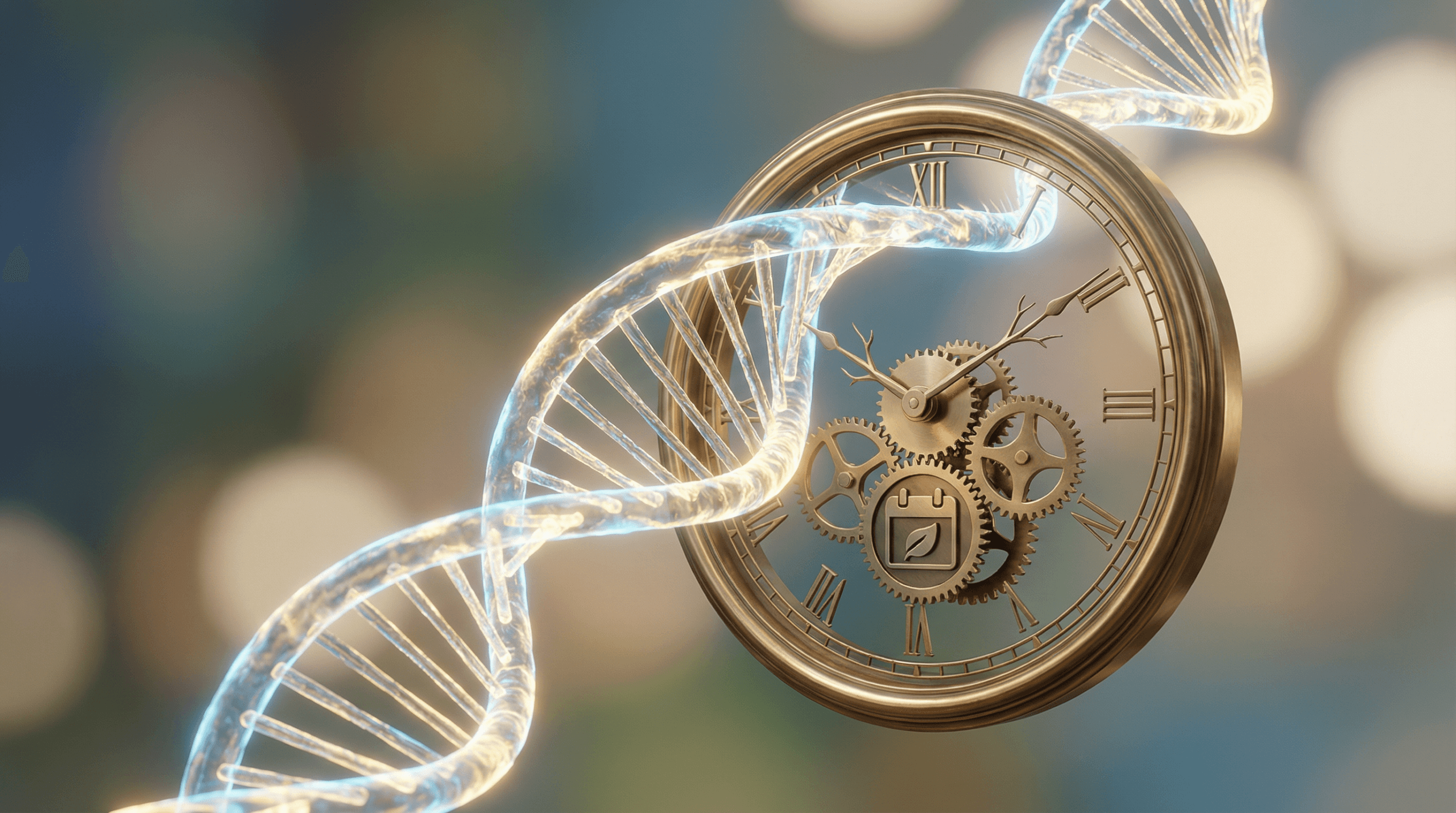
Article 5: An Introduction to Epigenetic Clocks: How
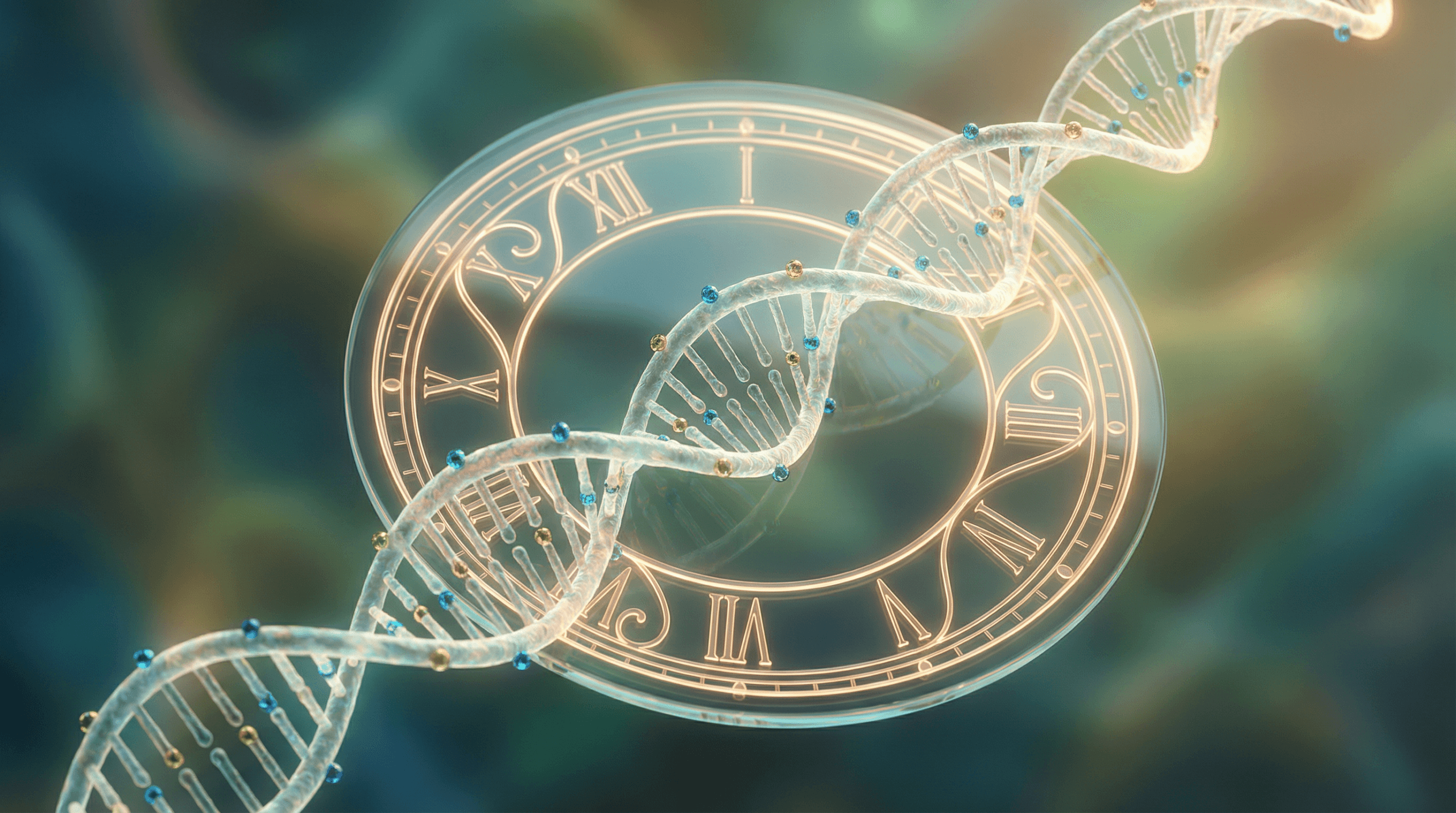
Introduction: Unlocking the Secrets of Biological Time
While chronological age is measured in years, biological age reflects the true state of our cells and tissues. Scientists have long sought to measure this biological age, moving beyond calendar years to understand aging processes. Today, epigenetic clocks offer unprecedented insights, providing a powerful tool to measure and potentially influence our journey toward a longer, healthier life.
TL;DR: Understanding Epigenetic Clocks
- Epigenetic clocks estimate biological age by measuring DNA methylation patterns.
- They provide insights beyond chronological age, reflecting cellular health and aging.
- These clocks help predict health risks and guide longevity strategies.
- Biological aging is a process that can potentially be slowed, not a disease.
What Are Epigenetic Clocks?
An epigenetic clock is an analytical method used as a biomarker to estimate an individual’s “biological age” [1]. Unlike chronological age, biological age reflects the functional and physiological state of your body. These clocks track age-related modifications to our DNA, specifically focusing on DNA methylation [1].
DNA methylation is a fundamental epigenetic mechanism where methyl groups are added to DNA molecules, primarily at CpG sites [1]. These chemical tags don’t alter the genetic code but act as switches, turning genes on or off. As we age, predictable DNA methylation patterns accumulate. Epigenetic clocks leverage these consistent changes, analyzing specific CpG sites to calculate a highly accurate estimate of biological age [1].
Epigenetic clocks have evolved significantly since the correlation between aging and DNA methylation was observed in the late 1960s [1]. Early clocks, like the Horvath clock (2013), used 353 CpG markers to estimate age across human tissues, allowing comparisons of biological age across organs [1]. Newer generations incorporate additional epigenetic variants and environmental factors like smoking, providing more precise predictions of health and mortality risks [1].
How Do Epigenetic Clocks Work? The Science of DNA
To understand epigenetic clocks, we delve into DNA methylation. DNA is an instruction manual. While the genetic code remains constant, epigenetics refers to modifications affecting how instructions are read. DNA methylation involves adding a methyl group to a cytosine base, typically at a CpG site [1].
These methyl tags don’t change the genetic sequence but influence gene expression—turning genes on or off. They act like dimmer switches. DNA methylation patterns are dynamic, influenced by genetic predispositions and environmental factors, including lifestyle choices [1].
Epigenetic clocks identify specific CpG sites where methylation levels consistently change with age. Researchers measure methylation status of hundreds or thousands of these sites. These measurements are fed into algorithms trained on large datasets of individuals with known chronological ages, allowing accurate estimation of biological age [1].
While DNA methylation is the most common basis, newer generations explore other epigenetic markers like histone modifications and chromatin accessibility changes, which also show age-related changes [1]. This evolution promises more refined biological aging measures.
The Different Generations of Epigenetic Clocks
Epigenetic clocks have progressed through generations, each building upon predecessors, leading to increasingly accurate measures of biological age.
First-Generation Clocks: Pioneering work led to first-generation epigenetic clocks. The Horvath clock (2013) used 353 CpG markers to estimate age across human tissues, allowing comparisons of biological age across different body parts [1]. The Hannum clock focused on blood methylation levels using 71 markers [1]. These early clocks established that DNA methylation patterns reliably predict chronological age.
Second-Generation Clocks: Moving beyond chronological age prediction, second-generation clocks like PhenoAge and GrimAge focus on predicting health outcomes and mortality [1]. PhenoAge considers chronological age and clinical biomarkers to predict phenotypic age, linked to health status and mortality risk. GrimAge integrates smoking status and other risk factors, effectively predicting all-cause mortality. These clocks provide insights into health trajectory and disease susceptibility [1].
Third-Generation Clocks: Latest advancements include pan-mammalian epigenetic clocks, estimating tissue age across multiple mammalian species by analyzing conserved cytosine methylation regions [1]. This opens avenues for comparative biology and understanding aging mechanisms. Research continues on new clocks based on other epigenetic markers like nucleosome positioning and histone modifications, promising more nuanced assessments of biological aging [1]. Each generation refines our understanding, moving us closer to impactful healthspan interventions.
Lifestyle and Epigenetic Aging
While genetics influence aging, lifestyle choices profoundly impact our epigenetic landscape and biological age. We can influence our epigenetic clocks [2]. Research consistently shows environmental and behavioral factors can accelerate or decelerate epigenetic aging, offering pathways to extend healthspan.
Diet: Diet is a powerful epigenetic modulator. Healthy diets, rich in fruits, vegetables, and whole grains, positively influence DNA methylation patterns. Conversely, processed foods, sugar, and unhealthy fats can accelerate epigenetic aging.
Nutrients like folate and vitamin B12 are crucial for DNA methylation. Longevity diets often emphasize reducing animal protein and increasing plant-based foods [3] [4].
Exercise: Regular physical activity is a cornerstone of epigenetic health. Exercise slows age-associated DNA methylation alterations and induces beneficial gene expression changes [5] [6]. Both aerobic and resistance training contribute to a younger epigenetic profile, impacting inflammation, metabolism, and cellular repair. Moderate exercise (30 minutes/day, five days/week) has significant positive effects [2].
Stress Management: Chronic stress detrimentally affects our epigenome. Prolonged stress hormone exposure alters DNA methylation patterns, potentially accelerating biological aging. Mindfulness, meditation, yoga, and nature time can mitigate stress and promote a favorable epigenetic state. Effective stress management is a critical, often overlooked, component of a longevity lifestyle [7].
Sleep: Adequate, quality sleep is vital for epigenetic maintenance. Sleep deprivation disrupts circadian rhythms and leads to epigenetic changes contributing to aging and disease. Prioritizing 7-9 hours of restorative sleep supports cellular repair and a healthy epigenetic profile.
Environmental Toxins: Exposure to pollutants, toxins, and chemicals can induce adverse epigenetic modifications. Minimizing exposure through organic foods, filtered water, and avoiding tobacco smoke protects our epigenome and supports healthy aging.
Understanding lifestyle’s interplay with epigenetics empowers informed choices to promote a younger biological age, fostering vitality and resilience.
Actionable Steps to Support Epigenetic Health
Knowing your lifestyle influences your epigenetic clock, here are actionable steps to support epigenetic health and promote a younger biological age:
1. Embrace a Nutrient-Dense, Plant-Rich Diet: Focus on whole, unprocessed foods. Prioritize colorful fruits, vegetables, legumes, nuts, and seeds, rich in vitamins, minerals, and antioxidants supporting healthy DNA methylation. Reduce red meat, opting for lean protein sources [3] [4].
2. Prioritize Regular Physical Activity: Aim for at least 150 minutes of moderate-intensity aerobic exercise or 75 minutes of vigorous-intensity exercise weekly, plus muscle-strengthening activities twice a week. Short bursts of activity offer epigenetic benefits. Find enjoyable activities for a sustainable routine [5] [6].
3. Cultivate Stress Resilience: Incorporate daily stress-reducing practices: mindfulness, meditation, deep breathing, yoga, nature time, or joyful hobbies. Identify and address chronic stress sources [7].
4. Optimize Your Sleep Hygiene: Establish a consistent sleep schedule. Create a relaxing bedtime routine, ensure your bedroom is dark, quiet, and cool, and avoid screens before bed. Aim for 7-9 hours of quality sleep nightly to support cellular repair and epigenetic maintenance.
5. Limit Exposure to Environmental Toxins: Be mindful of pollutants, pesticides, and harmful chemicals. Choose organic produce, use natural cleaning products, ensure good home ventilation. Avoid smoking and excessive alcohol, known epigenetic disruptors.
6. Consider Targeted Supplementation (with caution): While diet is paramount, certain supplements like B vitamins (folate, B12, B6), betaine, and SAM-e can support methylation pathways. Always consult a healthcare professional before starting new supplements, as individual needs vary.
Consistently implementing these strategies optimizes epigenetic health, potentially slowing your biological clock and enhancing overall well-being. Small, consistent changes yield significant long-term longevity benefits.
Conclusion: Empowering Your Longevity Journey

Epigenetic clocks have revolutionized our understanding of aging, moving beyond chronological age to a deeper appreciation of our biological timeline. These tools offer a window into molecular processes governing how our bodies age, providing a quantifiable measure of healthspan. The science of epigenetics empowers us: our daily choices directly impact our biological age.
By embracing nutrient-dense foods, consistent physical activity, effective stress management, and restorative sleep, we actively influence our epigenetic clocks. These evidence-based strategies optimize DNA methylation patterns, potentially slowing biological aging and enhancing vitality.
Understanding your biological age is the first step to proactive longevity control. If curious, explore a reputable biological age calculator for personalized insights. This can motivate you to implement actionable steps, guiding you towards sustained health and well-being. The power to influence your biological destiny is within your grasp—start today!
Sources and Further Reading
[1] Epigenetic clock. Wikipedia. Available at: https://en.wikipedia.org/wiki/Epigenetic_clock [2] Novos Labs.
How To Slow Down & Even Turn Back Your Epigenetic Aging Clock. Available at: https://novoslabs.com/blog/tests-clocks/how-to-slow-down-or-reverse-epigenetic-clock/ [3] Active Motif. Can You Really Reverse Your Epigenetic Age?
Available at: https://www.activemotif.com/blog-reversing-epigenetic-age [4] Psychology Today. 3 Ways Exercise Can Slow or Even Reverse Aging. Available at: https://www.psychologytoday.com/us/blog/the-athletes-way/202509/3-ways-exercise-can-slow-or-even-reverse-epigenetic-aging [5] PMC. Potential reversal of epigenetic age using a diet and lifestyle intervention: a pilot randomized clinical trial.
Available at: https://pmc.ncbi.nlm.nih.gov/articles/PMC8064200/ [6] PMC. How can we modulate aging through nutrition and physical activity? Available at: https://pmc.ncbi.nlm.nih.gov/articles/PMC10188329/ [7] Stanford Lifestyle Medicine.
Can Lifestyle Reverse Your Biological Age? Available at: https://lifestylemedicine.stanford.edu/can-lifestyle-reverse-your-biological-age/
Q: What is an epigenetic clock?
A: An epigenetic clock is a test that measures biological age by analyzing DNA methylation patterns—chemical modifications to your DNA that change predictably as you age. The most famous epigenetic clocks include the Horvath clock and the GrimAge clock, which can predict your biological age more accurately than chronological age.
Q: Can I test my epigenetic age at home?
A: Yes! Several companies now offer at-home epigenetic age testing kits, including TruDiagnostic (TruAge), Elysium Health (Index), and myDNAge. These tests typically cost $200-$500 and require a blood spot or cheek swab sample that you mail to a lab.
Paste this into ChatGPT, Claude, or your favorite AI assistant to explore this topic further:
👆 Select the text above and press Ctrl+C (or Cmd+C on Mac) to copy the entire prompt.
AI Prompts to Explore This Topic Further
Copy and paste any of these prompts into ChatGPT, Claude, or your favourite AI assistant:
- Prompt 1: Explain how epigenetic clocks differ from traditional methods of measuring aging and why they are important for people over 55.
- Prompt 2: List lifestyle changes scientifically shown to influence epigenetic aging and how someone aged 60 can implement them.
- Prompt 3: Summarize the current limitations and future potential of epigenetic clock technology in predicting healthy aging.
- Prompt 4: “Act as a health coach and create a simple, practical daily routine incorporating habits that may positively impact epigenetic aging for people over 50.”
- Prompt 4: “Act as a science communicator and create an easy-to-understand analogy that explains how epigenetic clocks work to measure biological age.”
References & Further Reading
- Horvath S. (2013) — DNA methylation age of human tissues and cell types (Nature Genetics)
- National Institute on Aging — genetics and epigenetics of aging
- PubMed — epigenetic clocks and biological aging review
- Harvard Health — measuring your biological age
Ready to take control of how you age?
Deep Dive AI Prompts
Use these prompts with ChatGPT or any AI assistant to explore this topic further:
- Explain how DNA methylation patterns change with age and their impact on gene expression.
- Compare the Horvath epigenetic clock with newer epigenetic aging models and their applications.
- Discuss the potential interventions that could slow biological aging based on epigenetic research.
Frequently Asked Questions
What is an epigenetic clock? An epigenetic clock is a scientific tool that estimates biological age by analyzing specific DNA methylation patterns that change predictably as we age.
How is biological age different from chronological age? Chronological age counts years since birth, while biological age reflects the functional state of cells and tissues, indicating how well your body is aging.
Can epigenetic clocks predict health outcomes? Yes, newer epigenetic clocks incorporate environmental and lifestyle factors to help predict risks related to diseases and mortality.
Is biological aging reversible or slowable? While biological aging is a natural process, research suggests it can be slowed or influenced through lifestyle, environment, and potentially future therapies, as noted by Dr. David Sinclair.