The Longevity Diet: 7 Foods That Fight Aging at a Cellular
Why This Matters for Your Longevity
Imagine not just living longer, but living better – with vitality, sharp mental clarity, and robust health well into your golden years. This isn’t a far-fetched dream, but a growing reality for many, thanks to advancements in understanding longevity and healthspan . While genetics play a role, a significant portion of our aging journey is influenced by lifestyle choices, with diet standing out as a powerful determinant.
TL;DR: The Longevity Diet Essentials
- Eating nutrient-rich foods can slow cellular aging.
- Focus on antioxidants, anti-inflammatory compounds, and telomere-supporting nutrients.
- Seven key foods help protect cells and promote longevity.
- Adopt sustainable eating habits inspired by the world’s longest-lived populations.
The food we consume daily doesn’t just fuel our bodies; it actively interacts with our cells, influencing processes that either accelerate or decelerate aging. This article will delve into the concept of the longevity diet , exploring seven specific foods that are scientifically recognized for their ability to combat aging at a cellular level.
Understanding Cellular Aging and the Role of Nutrition
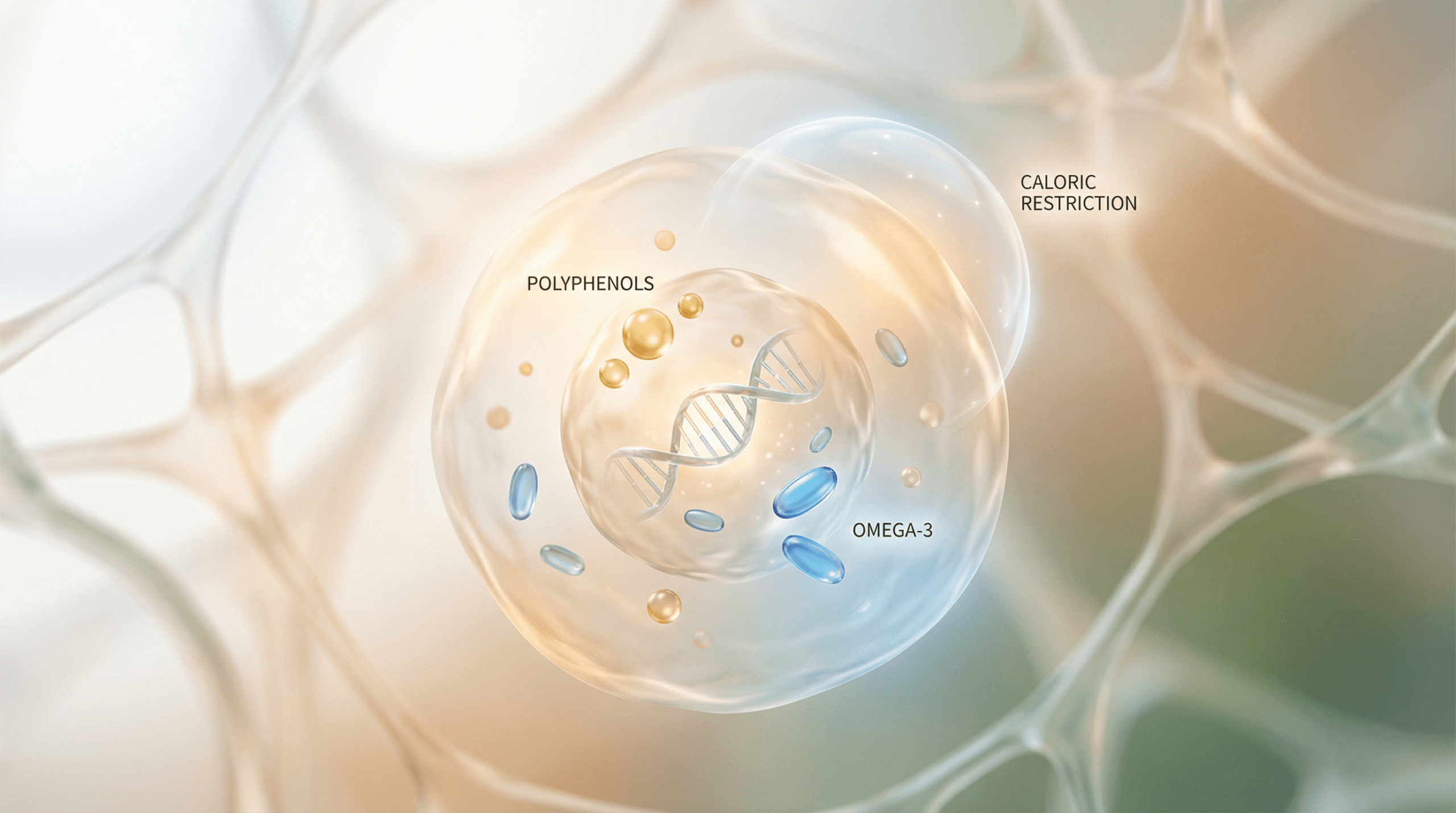
At the heart of aging lies cellular degradation. Our cells are constantly under attack from various stressors, leading to processes like oxidative stress , inflammation , and the shortening of telomeres – protective caps on our DNA. Oxidative stress occurs when there’s an imbalance between free radicals and antioxidants in the body, damaging cells and DNA.
Chronic inflammation, often a silent process, contributes to numerous age-related diseases, including cardiovascular disease, diabetes, and neurodegenerative disorders. Telomere shortening, on the other hand, limits the number of times a cell can divide, eventually leading to cellular senescence and tissue dysfunction, which are hallmarks of aging.
Fortunately, nutrition offers a potent defense. Specific nutrients and compounds found in certain foods can act as powerful antioxidants, neutralizing harmful free radicals and reducing oxidative damage. Others possess potent anti-inflammatory properties, helping to quell chronic inflammation throughout the body.
Furthermore, certain dietary components can support telomere maintenance and even activate cellular repair pathways, such as autophagy, which is crucial for clearing out damaged cellular components. By providing our cells with the right building blocks and protective agents, we can optimize their function, enhance their resilience, and ultimately slow down the biological aging process. This is where the concept of cellular nutrition becomes paramount, guiding us towards foods that actively support our cells’ long-term health and vitality.
The Pillars of a Longevity Diet
The principles of a longevity diet are not about restrictive fads but rather a sustainable, nutrient-rich eating pattern that draws inspiration from the world’s longest-lived populations. Research from longevity experts like Valter Longo, known for his work on the Fasting Mimicking Diet, and insights from the Blue Zones – regions like Okinawa, Sardinia, and Ikaria where people live exceptionally long and healthy lives – consistently highlight several key themes [1] [2]. These include a predominantly plant-based diet , emphasizing whole grains, healthy fats, and lean protein sources.
The Blue Zones, for example, show diets that are 95-100% plant-based, rich in leafy greens, legumes, and whole grains [2]. Mindful eating practices, such as calorie restriction, time-restricted feeding, and eating until 80% full, also play a role in promoting cellular repair and regeneration [1]. The focus is always on nutrient density, ensuring that every bite contributes to cellular health and overall well-being, rather than empty calories.
7 Longevity Diet Foods That Fight Aging at a Cellular Level
Here are seven powerful longevity diet foods that can help you fight aging from the inside out, by targeting cellular processes:
1. Leafy Greens (Spinach, Kale, Chard, Collard Greens)
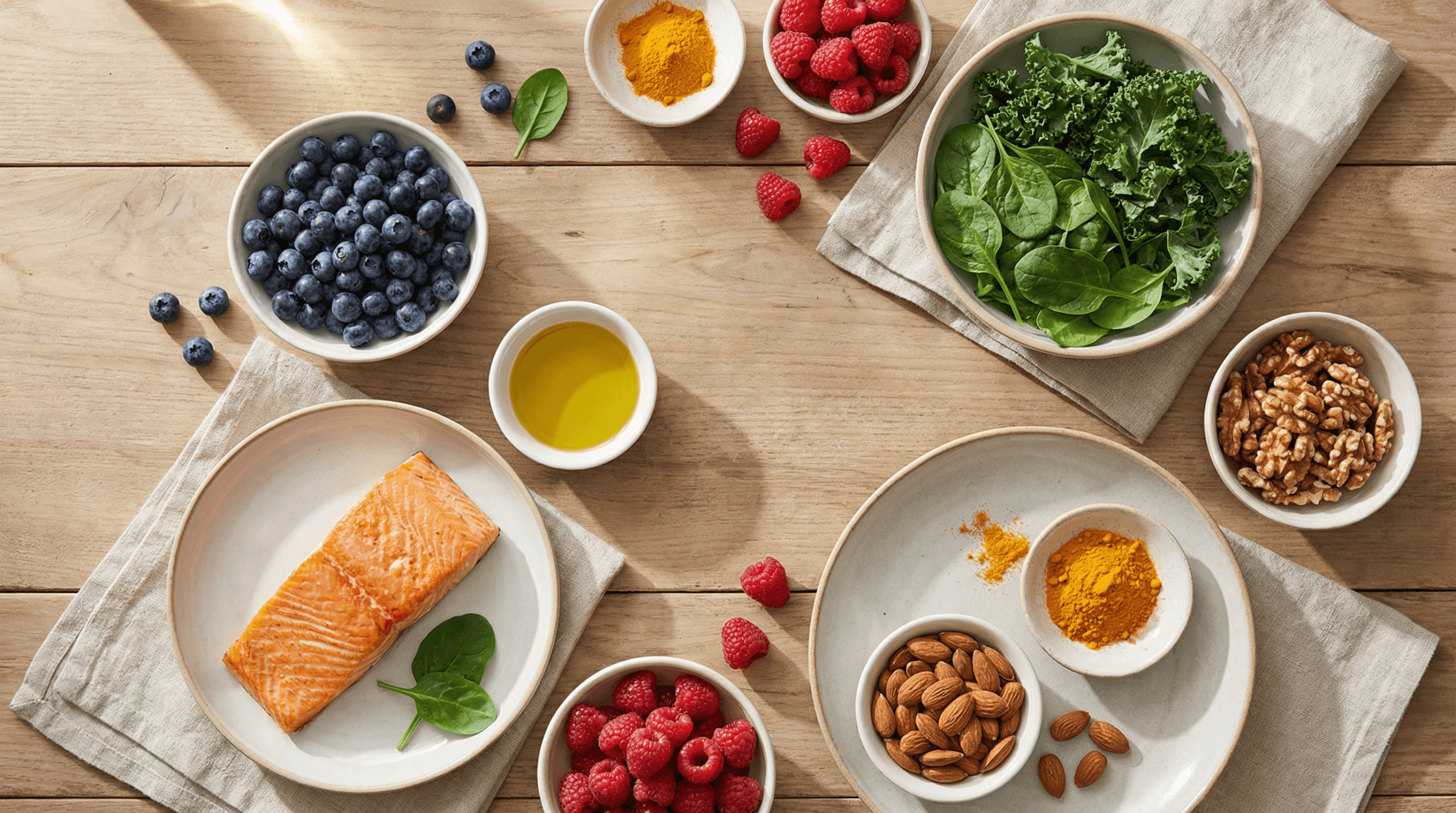
Leafy greens are nutritional powerhouses, packed with an array of vitamins (A, C, E, K), minerals (folate, magnesium, calcium), and potent antioxidants. They are rich in compounds like lutein and zeaxanthin, which protect against oxidative damage, particularly in the eyes and brain. The high vitamin K content is essential for bone health and plays a role in reducing chronic inflammation.
Furthermore, the nitrates found in leafy greens can be converted into nitric oxide in the body, which helps improve blood flow and cardiovascular health. Regular consumption of leafy greens has been consistently linked to slower cognitive decline, a reduced risk of chronic diseases like heart disease and type 2 diabetes, and even a longer lifespan [3]. Aim for at least 2-3 servings daily.
2. Berries (Blueberries
These vibrant fruits are bursting with anthocyanins , powerful antioxidants that give berries their rich red, blue, and purple hues. Anthocyanins are highly effective at combating oxidative stress and inflammation, protecting cells from damage caused by free radicals. Beyond their antioxidant capacity, berries also support brain health, with studies showing improvements in memory and cognitive function in older adults who regularly consume them [4].
Their high fiber content also contributes to gut health, and their relatively low glycemic index makes them a smart choice for blood sugar regulation. Enjoy a handful of mixed berries daily as a snack or added to your breakfast.
3. Extra Virgin Olive Oil
Extra virgin olive oil (EVOO), a cornerstone of the Mediterranean diet and a staple in many Blue Zones, is renowned for its health benefits. It is rich in monounsaturated fats , particularly oleic acid, which has been shown to reduce inflammation and improve heart health. More importantly, EVOO contains a wealth of polyphenols , such as oleocanthal, which possesses anti-inflammatory properties similar to ibuprofen.
These compounds protect cells from oxidative damage and contribute to cardiovascular health, a major factor in longevity. Studies in Blue Zones, particularly Ikaria, show a strong correlation between high olive oil consumption and increased longevity, with residents often consuming several tablespoons daily [2]. Use EVOO generously in salads, for dipping, and for low-heat cooking.
4. Legumes (Beans, Lentils, Chickpeas, Peas)
Legumes are an excellent and affordable source of plant-based protein, dietary fiber, and complex carbohydrates. Their high fiber content, both soluble and insoluble, supports a healthy gut microbiome by feeding beneficial gut bacteria, which is increasingly recognized for its profound role in overall health, immune function, and longevity. Legumes also provide sustained energy, help regulate blood sugar levels, and can lower cholesterol, preventing spikes that can contribute to cellular damage and chronic disease.
They are a staple in all Blue Zones diets, contributing to the remarkable health of these populations [1] [2]. Aim for at least half a cup of cooked legumes daily.
5. Nuts and Seeds (Walnuts, Almonds, Chia Seeds, Flaxseeds)
Nuts and seeds are nutrient-dense powerhouses, packed with healthy fats, fiber, protein, vitamins (E, B vitamins), and minerals (magnesium, zinc, selenium). Walnuts, for instance, are particularly rich in alpha-linolenic acid (ALA), a plant-based omega-3 fatty acid crucial for brain health and reducing inflammation. Almonds provide vitamin E, a powerful antioxidant that protects cell membranes.
Chia and flaxseeds are excellent sources of fiber and omega-3s. These tiny powerhouses contribute to satiety, help manage weight, and provide a steady supply of nutrients essential for cellular repair and protection against age-related diseases [1]. A small handful (about an ounce) daily can make a significant difference.
6. Fatty Fish (Salmon, Sardines, Anchovies, Mackerel)

For those who include animal products in their diet, fatty fish are a top choice for longevity due to their exceptional content of omega-3 fatty acids (EPA and DHA). These essential fats are vital for reducing systemic inflammation, supporting brain function, maintaining cardiovascular health, and even protecting telomeres. Omega-3s play a critical role in cell membrane integrity and signaling, which are fundamental to healthy cellular aging.
When choosing fish, opt for smaller, wild-caught varieties like sardines and anchovies, as they are lower on the food chain and thus have significantly less mercury and other contaminants compared to larger predatory fish [1]. Aim for 2-3 servings per week.
7. Whole Grains (Oats, Quinoa, Brown Rice, Farro, Barley)
Unlike refined grains, which are stripped of their most nutritious parts, whole grains retain their bran, germ, and endosperm, providing a wealth of dietary fiber, B vitamins, minerals (iron, magnesium, selenium), and phytochemicals. The fiber in whole grains aids digestion, promotes gut health, helps regulate blood sugar levels, and contributes to a feeling of fullness, which can assist in weight management. They are a staple in many longevity-rich diets, offering sustained energy and reducing the risk of chronic diseases such as heart disease, type 2 diabetes, and certain cancers [2]. Make whole grains your primary source of carbohydrates, choosing options like oatmeal for breakfast, quinoa in salads, and brown rice with meals.
Actionable Steps for Incorporating Longevity Foods into
Making these longevity diet foods a regular part of your meals doesn’t have to be complicated or overwhelming. Here are some practical and actionable steps you can take starting today:
- Start Small and Build Gradually: Don’t overhaul your entire diet overnight. Begin by adding just one new longevity food each week or making one healthy swap. For example, switch from white rice to brown rice, or add a handful of spinach to your morning smoothie.
- Strategic Meal Planning: Plan your meals around these longevity-promoting foods. Incorporate leafy greens into every meal, from breakfast smoothies or scrambled eggs to dinner salads and stir-fries. Use legumes as a versatile base for soups, stews, chili, and even plant-based burgers. Snack on a mix of nuts and seeds instead of processed options.
- Smart Swaps for Maximum Impact: Replace refined grains (white bread, pasta) with whole grains. Use extra virgin olive oil as your primary cooking oil and for dressings. Choose fatty fish like sardines or salmon a few times a week instead of red meat, or opt for plant-based protein sources more often.
- Embrace Variety and Color: The key to a nutrient-rich diet is variety. Rotate your choices of fruits, vegetables, nuts, and seeds to ensure you’re getting a broad spectrum of vitamins, minerals, and phytochemicals. Aim for a colorful plate at every meal.
- Practice Mindful Eating: Pay attention to portion sizes and eat slowly, savoring each bite. This can improve digestion, enhance nutrient absorption, and help you recognize your body’s hunger and fullness cues, preventing overeating.
- Consider Age-Specific Nutritional Needs: As we age, our nutritional needs can shift. For older adults (over 65), slightly increasing protein intake, potentially from easily digestible sources like fish, eggs, or legumes, can help preserve crucial muscle mass and prevent sarcopenia [1] [5]. Focus on nutrient-dense foods to compensate for potentially decreased nutrient absorption and to ensure adequate intake of essential vitamins and minerals.
- Hydration is Key: While not a food, adequate hydration is fundamental to cellular health and overall longevity. Drink plenty of water throughout the day.
Your Next Step Toward a Longer, Healthier Life
The journey to a longer, healthier life is significantly influenced by the choices we make at the dinner table. By embracing the principles of a longevity diet and consciously incorporating foods that fight aging at a cellular level, you can empower your body to thrive. These seven foods – leafy greens, berries, extra virgin olive oil, legumes, nuts and seeds, fatty fish, and whole grains – are not just ingredients; they are powerful allies in your quest for extended healthspan and vitality.
They work synergistically to reduce inflammation, combat oxidative stress, support cellular repair, and protect your DNA, laying the foundation for a healthier, more vibrant future. Start today, nourish your cells with these incredible foods, and take a proactive step towards extending your healthspan.
Ready to assess your biological age and get personalized insights into your longevity journey? [Click here to use our biological age calculator!](https://fruitfulyears.com/biological-age-calculator
Sources and Further Reading
[1] Longo, V. (n.d.). Daily Longevity Diet for Adults . Valter Longo.
Retrieved from https://valterlongo.com/daily-longevity-diet-for-adults/ [2] Blue Zones. (n.d.). Food Guidelines . Retrieved from https://www.bluezones.com/recipes/food-guidelines/ [3] Morris, M.
C., Wang, Y., Barnes, L. L., Bennett, D. A., Dawson-Hughes, H., & Booth, S.
L. (2018). Nutrients and bioactives in green leafy vegetables and cognitive decline: Prospective study. Neurology , 90(3), e214-e222. [https://n.neurology.org/content/90/3/e214](https://n.neurology.org/content/90/3/e214) [4] Krikorian, R., Shidler, M.
D., Nash, T. A., Kalt, W., Vinqvist-Tymchuk, A. R., Shukitt-Hale, B., & Joseph, J.
A. (2010). Blueberry supplementation improves memory in older adults. Journal of Agricultural and Food Chemistry , 58(7), 3996-4000. [https://pubs.acs.org/doi/abs/10.1021/jf902933m](https://pubs.acs.org/doi/abs/10.1021/jf902933m) [5] Men’s Health. (2026, February 11).
Study: The Best Science-Backed Diet for Living to 100 . Retrieved from https://www.menshealth.com/health/a70259212/meat-or-plant-eaters-live-to-100-study/
Q: Do I need to eat all 7 foods every day?
A: No, variety over time is more important than daily perfection. Aim to incorporate several of these longevity foods throughout the week, rotating them to ensure a diverse nutrient intake. For example, have berries and nuts for breakfast, leafy greens at lunch, and legumes with whole grains for dinner. The key is consistency and variety, not rigid daily requirements.
Q: Can these foods really reverse aging?
A: While no food can “reverse” aging completely, these longevity foods can slow cellular aging processes, reduce inflammation, protect DNA, and support cellular repair mechanisms like autophagy. Studies show that populations consuming these foods regularly (like Blue Zones) have significantly lower rates of age-related diseases and longer lifespans. Think of them as protective maintenance for your cells.
Paste this into ChatGPT, Claude, or your favorite AI assistant to explore this topic further:
👆 Select the text above and press Ctrl+C (or Cmd+C on Mac) to copy the entire prompt.
AI Prompts to Explore This Topic Further
Copy and paste any of these prompts into ChatGPT, Claude, or your favourite AI assistant:
- Prompt 1: “Explain how antioxidants in common fruits and vegetables help reduce cellular aging and improve longevity for people over 55.”
- Prompt 2: “Create a weekly meal plan featuring the top 7 longevity foods that support healthy aging for adults aged 60 and above.”
- Prompt 3: “List and describe scientific studies that show the effects of specific foods on cellular health and lifespan extension in older adults.”
- Prompt 4: “Act as a nutritionist and provide practical tips on how to incorporate the 7 longevity foods into daily meals for adults over 50 to maximize cellular health benefits.”
- Prompt 4: “Act as a health coach and suggest daily habits and lifestyle changes that complement the consumption of these 7 longevity foods to maximize anti-aging benefits.”
Next step: our free longevity tools.
Ready to Add Years to Your Life?
Get our free 7-Day Longevity Quick-Start Checklist — evidence-based micro-habits you can start today, no gym required.
{ “@context”: “https://schema.org”, “@type”: “Article”, “headline”: “The Longevity Diet: 7 Foods That Fight Aging at a Cellular Level”, “description”: “The Longevity Diet: 7 Foods That Fight Aging at a Cellular Why This Matters for Your Longevity Imagine not just living longer, but living better \u2013 with vitality, sharp mental clarity, and robust healt”, “url”: “https://fruitfulyears.com/the-longevity-diet-7-foods-that-fight-aging-at-a-cellular-level/”, “author”: { “@type”: “Person”, “name”: “Ken Gardner”, “url”: “https://fruitfulyears.com/about/” }, “publisher”: { “@type”: “Organization”, “name”: “Fruitful Years”, “url”: “https://fruitfulyears.com/”, “logo”: { “@type”: “ImageObject”, “url”: “https://fruitfulyears.com/wp-content/uploads/logo.png” } }, “datePublished”: “2026-03-01”, “dateModified”: “2026-03-08”, “mainEntityOfPage”: { “@type”: “WebPage”, “@id”: “https://fruitfulyears.com/the-longevity-diet-7-foods-that-fight-aging-at-a-cellular-level/” } }
Deep Dive AI Prompts
Use these prompts with ChatGPT or any AI assistant to explore this topic further:
- Explain how antioxidants in specific foods help reduce oxidative stress and slow cellular aging.
- Describe the role of telomeres in aging and how diet can influence their length and maintenance.
- Compare dietary patterns from Blue Zones and their impact on longevity and cellular health.
Frequently Asked Questions
What is the longevity diet? The longevity diet is a nutrient-rich eating pattern designed to support cellular health and slow aging by focusing on foods that provide antioxidants, reduce inflammation, and maintain telomeres.
Which foods fight aging at the cellular level? Seven specific foods rich in antioxidants, anti-inflammatory compounds, and nutrients that support cellular repair help combat aging at the cellular level. These include berries, leafy greens, nuts, fatty fish, legumes, whole grains, and green tea.
How does diet influence cellular aging? Diet influences cellular aging by providing antioxidants that neutralize free radicals, reducing chronic inflammation, and supporting telomere maintenance and cellular repair processes like autophagy.
Can lifestyle alone extend lifespan? While genetics play a role, lifestyle choices—especially diet—significantly impact healthspan and lifespan by promoting cellular resilience and reducing age-related damage.
Related Reading
- The Blue Zones Diet: What Do the World’s Longest-Lived People Actually Eat?
- Intermittent Fasting After 60: A Practical Guide to Benefits and Risks
- Intermittent Fasting for Beginners: A 4-Week Plan