Continuous Glucose Monitors (CGMs): A Biohacker’s Guide

# Continuous Glucose Monitors (CGMs): A Biohacker’s Guide to Longevity

In an era of health optimization, Continuous Glucose Monitors (CGMs) are revolutionizing how we understand our bodies. Traditionally used for diabetes management, CGMs are now a powerful tool for **cgm for non-diabetics** and the biohacking movement, offering real-time insights into metabolic health to extend healthspan. This guide explores how CGMs empower individuals to optimize their health and potentially slow biological aging.

## Understanding Continuous Glucose Monitors: Beyond Diabetes Management

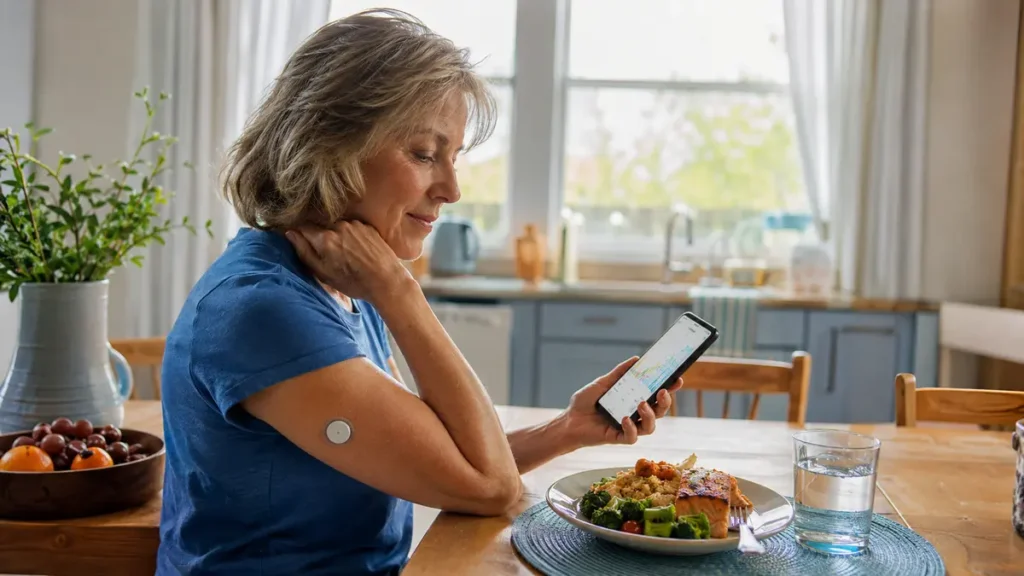
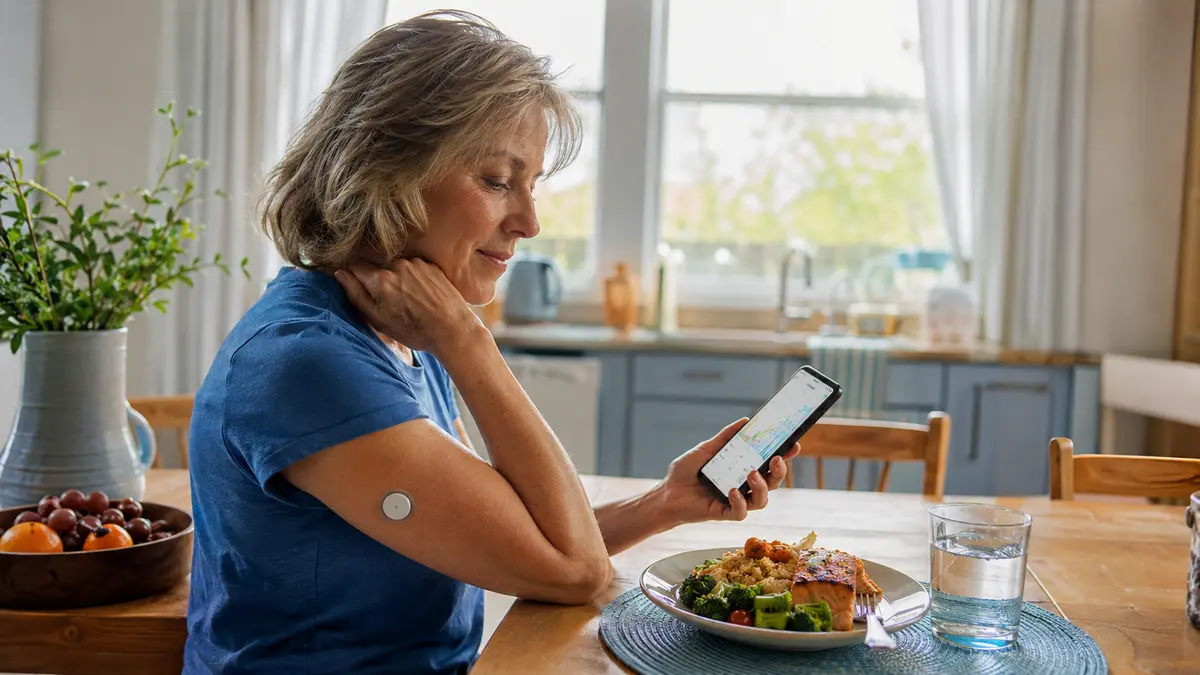
Continuous Glucose Monitors (CGMs) are wearable biosensors that continuously measure glucose levels in the interstitial fluid [1]. Unlike traditional finger-prick tests, CGMs provide real-time data and trend patterns, showing how glucose fluctuates with diet, exercise, stress, and sleep [1].

A typical CGM system involves a small, disposable sensor inserted under the skin, transmitting readings wirelessly to a receiver or smartphone app [2]. This offers continuous insights without frequent finger-pricks. Modern CGMs feature improved accuracy, longer wear times (up to 14 days), and seamless integration with digital health platforms [1].

CGM technology has evolved significantly. Originally for diabetes management, recent advancements include over-the-counter (OTC) CGMs like Dexcom Stelo and Abbott Lingo, increasing accessibility for the general public [3]. Advanced models now offer predictive analytics, alerting users to potential glucose fluctuations, enabling proactive adjustments to diet or activity for enhanced health optimization [1].

## Why Non-Diabetics Are Embracing CGMs for Longevity

Beyond diabetes management, **cgm for non-diabetics** is gaining traction as a powerful tool for health optimization and extending healthspan, driven by diverse motivations from personalized nutrition to proactive disease prevention.

### Personalized Nutrition and Weight Management

CGMs offer non-diabetics unprecedented insights into individual food responses. Due to genetics, gut microbiome, and activity levels, a healthy food for one person might cause a glucose spike in another [4]. Real-time CGM data helps users identify foods that trigger undesirable glucose fluctuations, enabling informed dietary choices, minimized glycemic spikes, and optimized nutrition for sustained energy and weight management. This personalized feedback moves individuals beyond generic advice, allowing them to tailor eating patterns to their unique metabolic fingerprint [4].

### Optimizing Athletic Performance

Athletes and fitness enthusiasts use CGMs to fine-tune performance by tracking glucose stability during exercise, gaining critical data on fuel utilization and recovery [5]. High-intensity workouts can temporarily elevate blood sugar, while steady-state cardio may lower it. Real-time CGM data allows athletes to tailor pre- and post-workout nutrition, ensuring optimal fueling, avoiding energy crashes, and enhancing endurance. Elite athletes use this data to refine carbohydrate timing for stable energy during training and competition [5].

### Early Detection of Metabolic Dysregulation

CGMs appeal to non-diabetics for early detection of metabolic dysregulation. Continuous monitoring of glucose patterns can reveal subtle trends indicating early insulin resistance or prediabetes [6]. This proactive insight enables timely lifestyle interventions, potentially delaying or preventing metabolic disorders. Research suggests that frequent glucose spikes and high glycemic variability in non-diabetics may contribute to inflammation, accelerated aging, and increased risk of Type 2 diabetes and cardiovascular disease [6]. CGMs provide a window into these issues, empowering preventative action.

### Stress, Sleep, and Glucose

CGMs also highlight the impact of stress and sleep on glucose levels. Chronic stress and poor sleep can significantly dysregulate glucose metabolism [5]. Nighttime glucose fluctuations are linked to hormonal imbalances and impaired recovery. CGM data helps individuals identify how stress and sleep affect blood sugar, allowing targeted adjustments to sleep hygiene and stress management. Combined with other wearables, CGMs offer a comprehensive view of lifestyle elements interacting with glucose metabolism, supporting holistic well-being [5].

## The Science of Stable Glucose: A Cornerstone of Healthspan

Stable glucose levels, or optimal glycemic control, are crucial for long-term health and extended healthspan, even for non-diabetics. Frequent glucose fluctuations, even within normal ranges, can harm the body [6]. These fluctuations contribute to chronic inflammation, accelerated aging, and increased risk of Type 2 diabetes, cardiovascular disease, and cognitive decline [6].

**Metabolic flexibility**, the body’s ability to efficiently switch between burning glucose and fat, is central to stable glucose. Individuals with good metabolic flexibility maintain stable blood sugar and adapt to diet and activity changes. Impaired flexibility leads to glucose dysregulation and inefficient energy management [7]. CGMs offer invaluable data to assess and improve this flexibility.

The “glucose rollercoaster”—rapid spikes and drops after meals—causes fatigue, irritability, poor concentration, and cravings [4]. Chronic exposure to these fluctuations can lead to insulin resistance and serious metabolic issues. **CGM for non-diabetics** helps identify triggers, allowing adjustments to flatten glucose curves and achieve metabolic stability, improving energy, mood, and long-term health [4].

## Navigating the CGM Landscape: Considerations for the Healthy Biohacker

The rising interest in **cgm for non-diabetics** presents a dynamic, yet sometimes confusing, landscape. While benefits are compelling, healthy biohackers must approach CGM use with a balanced perspective, understanding both advantages and limitations.

### Benefits and Limitations

Benefits of CGM for non-diabetics include increased awareness of lifestyle’s impact on metabolic health, leading to personalized decisions in diet, exercise, and stress management [4]. This can improve glycemic control and potentially reduce chronic disease risk [6]. However, limitations exist: clinical utility in healthy individuals is still under research, lacking robust long-term studies linking CGM metrics to health outcomes [8].

### Controversies and Considerations

A key controversy is the potential for misinterpreting normal glucose fluctuations as problematic, leading to anxiety and restrictive eating (orthorexia) [8]. The psychological impact of constant monitoring is significant. Additionally, CGM device and sensor costs can be a barrier, as insurance often doesn’t cover non-diabetic use.

### The Regulatory Landscape and Professional Guidance

The regulatory landscape for CGMs is rapidly evolving. FDA approval of OTC CGMs increases accessibility [3], but also raises concerns about clear guidelines for appropriate use and data interpretation in non-diabetic populations. Consulting a healthcare professional (doctor or dietitian) before using a CGM is highly recommended to interpret data, set realistic goals, and avoid misinterpretation and anxiety [8].

## Practical Steps for Integrating CGM into Your Longevity Journey

To effectively integrate **cgm for non-diabetics** into your longevity journey, a structured approach is key. First, consult a healthcare professional, such as a doctor or registered dietitian, especially if you have underlying health conditions, to ensure a CGM is right for you and to guide proper usage and interpretation [8]. Next, choose a suitable device, considering factors like wear duration, accuracy, and smartphone compatibility [3]. Finally, familiarize yourself with the device’s operation, sensor application, and data access.

Interpreting CGM data effectively means focusing on trends rather than just individual numbers. Observe consistent patterns of glucose spikes or crashes after meals, and identify your personal triggers by correlating CGM data with a food and activity log [4]. Understanding glycemic variability—the ups and downs in glucose levels—is crucial, as high variability is less healthy than stable glucose [6]. Non-diabetics can also aim for a high percentage of Time in Range (TIR) within a healthy glucose range (e.g., 70-140 mg/dL), as advised by a healthcare provider.

Once glucose patterns are understood, implement targeted lifestyle changes. Experiment with dietary adjustments, such as pairing carbohydrates with protein and healthy fats to blunt glucose spikes, and prioritize whole, unprocessed foods [4]. Optimize exercise timing; a short walk after a meal can help lower glucose levels [5]. Recognize how stress elevates glucose and incorporate stress-reducing practices like meditation [5]. Prioritize consistent, quality sleep, evaluating sleep hygiene if nighttime glucose issues arise [5]. For a holistic view, integrate CGM data with other wearables like heart rate variability and sleep trackers. This multi-metric approach provides a comprehensive picture of how lifestyle factors influence metabolic well-being, empowering informed decisions for optimal longevity.

## Conclusion: Empowering Your Healthspan with CGM Insights

Continuous Glucose Monitors offer non-diabetic individuals a powerful tool for personalized health optimization, providing real-time feedback on how lifestyle impacts blood sugar. This empowers us to tailor choices to our unique physiology, actively extending healthspan, enhancing energy, and building a foundation for a vibrant life.

However, using **cgm for non-diabetics** requires an evidence-based, cautious approach. While insights are transformative, they must be interpreted within your overall health context, ideally with professional guidance. CGMs are a tool for informing sustainable lifestyle changes, not a magic bullet.

Ready to take control of your metabolic health and embark on a journey towards a longer, more vital life? Understanding your glucose patterns is a significant step. Explore our biological age calculator to further understand your longevity roadmap, discover where you stand, and unlock more strategies to optimize your healthspan today.

## References

[1] News-Medical.net. (2025, March 26). *Why Non-Diabetics Are Using Continuous Glucose Monitors?* [https://www.news-medical.net/health/Why-Non-Diabetics-Are-Using-Continuous-Glucose-Monitors.aspx](https://www.news-medical.net/health/Why-Non-Diabetics-Are-Using-Continuous-Glucose-Monitors.aspx)

[2] Johnston, L., Wang, G., Hu, K., Qian, C., & Liu, G. (2021). *Advances in Biosensors for Continuous Glucose Monitoring Towards Wearables*. Frontiers in Bioengineering and Biotechnology, 9, 733810. [https://doi.org/10.3389/fbioe.2021.733810](https://doi.org/10.3389/fbioe.2021.733810)

[3] Lee, C. H., & Naik, R. G. (2025). *The Role of Continuous Glucose Monitoring in People without Diabetes: A US Perspective*. Chronicle of Diabetes Research and Practice, 4(1), 1–3. [https://doi.org/10.4103/cdrp.cdrp_16_24](https://doi.org/10.4103/cdrp.cdrp_16_24)

[4] Thrombosis.org. (2025, August 3). *CGM for Non-Diabetics: Optimize Your Metabolic Health*. [https://thrombosis.org/patients/patient-articles/continuous-glucose-monitoring-for-non-diabetics-a-new-frontier-in-metabolic-health-optimization](https://thrombosis.org/patients/patient-articles/continuous-glucose-monitoring-for-non-diabetics-a-new-frontier-in-metabolic-health-optimization)

[5] Holzer, R., Bloch, W., & Brinkmann, C. (2022). *Continuous Glucose Monitoring in Healthy Adults-Possible Applications in Health Care, Wellness, and Sports*. Sensors, 22(5), 2030. [https://doi.org/10.3390/s22052030](https://doi.org/10.3390/s22052030)

[6] Ahmed, N., Ali, M. F. E., Mohamed, M. N. H., Aldeen, R. S. A. M. S., & Al-Ani, A. (2025). *Use of Continuous Glucose Monitoring in Non-diabetic Individuals for Cardiovascular Prevention: A Systematic Review of Its Impact on Guiding Lifestyle Interventions*. Cureus. [https://www.cureus.com/articles/423661-use-of-continuous-glucose-monitoring-in-non-diabetic-individuals-for-cardiovascular-prevention-a-systematic-review-of-its-impact-on-guiding-lifestyle-interventions.pdf](https://www.cureus.com/articles/423661-use-of-continuous-glucose-monitoring-in-non-diabetic-individuals-for-cardiovascular-prevention-a-systematic-review-of-its-impact-on-guiding-lifestyle-interventions.pdf)

[7] Keshet, A., Shilo, S., Godneva, A., Talmor-Barkan, Y., Aviv, Y., & Segal, E. (2023). *CGMap: characterizing continuous glucose monitor data in thousands of non-diabetic individuals*. Cell Metabolism, 35(5), 883-896.e5. [https://www.cell.com/cell-metabolism/fulltext/S1550-4131(23)00129-8?dgcid=raven_jbs_aip_email](https://www.cell.com/cell-metabolism/fulltext/S1550-4131(23)00129-8?dgcid=raven_jbs_aip_email)

[8] Klonoff, D. C., Nguyen, K. T., Xu, N. Y., Gutierrez, A., Espinoza, J. C., & Vidmar, A. P. (2023). *Use of Continuous Glucose Monitors by People Without Diabetes: An Idea Whose Time Has Come?*. Journal of Diabetes Science and Technology, 17(6), 1686–1697. [https://doi.org/10.1177/19322968221110830](https://doi.org/10.1177/19322968221110830)

AI Prompts to Explore This Topic Further

Copy and paste any of these prompts into ChatGPT, Claude, or your favourite AI assistant:

  • Prompt 1: “Act as a health coach specializing in aging and explain how continuous glucose monitors (CGMs) can help people aged 50-75 optimize their blood sugar for longevity and healthy aging.”
  • Prompt 2: “Provide a practical weekly plan for someone over 50 to use a continuous glucose monitor to identify foods that stabilize blood sugar and support healthy aging.”
  • Prompt 3: “Act as a biohacker and suggest lifestyle changes, based on CGM data, that can improve metabolic health for adults aged 50 and older.”
  • Prompt 4: “Explain the key differences between popular continuous glucose monitors and recommend the best options for someone aged 50-75 focused on longevity and disease prevention.”

AI Prompts to Explore This Topic Further

Copy and paste any of these prompts into ChatGPT, Claude, or your favourite AI assistant:

  • Prompt 1: “Act as a health coach and explain how continuous glucose monitors (CGMs) can help people aged 50-75 optimize their diet for healthy aging and longevity.”
  • Prompt 2: “Provide a step-by-step guide for someone over 50 on how to start using a continuous glucose monitor, including device options, setup, and interpreting the data.”
  • Prompt 3: “Act as a nutritionist and recommend practical dietary adjustments based on CGM data to reduce blood sugar spikes and support metabolic health in older adults.”
  • Prompt 4: “Explain the potential benefits and limitations of continuous glucose monitoring for non-diabetic individuals aged 50 and above who want to biohack their health and promote longevity.”
Medical Disclaimer: The information on this site is for educational purposes only and is not a substitute for professional medical advice, diagnosis, or treatment. Always consult a qualified healthcare provider before making changes to your diet, exercise routine, or health regimen. Fruitful Years does not provide medical advice. See our full Disclaimer and Privacy Policy.