The Gut Microbiome: How Your Gut Bacteria Influence Aging

The Gut Microbiome: How Your Gut Bacteria Influence Aging

Introduction Imagine a bustling city within you

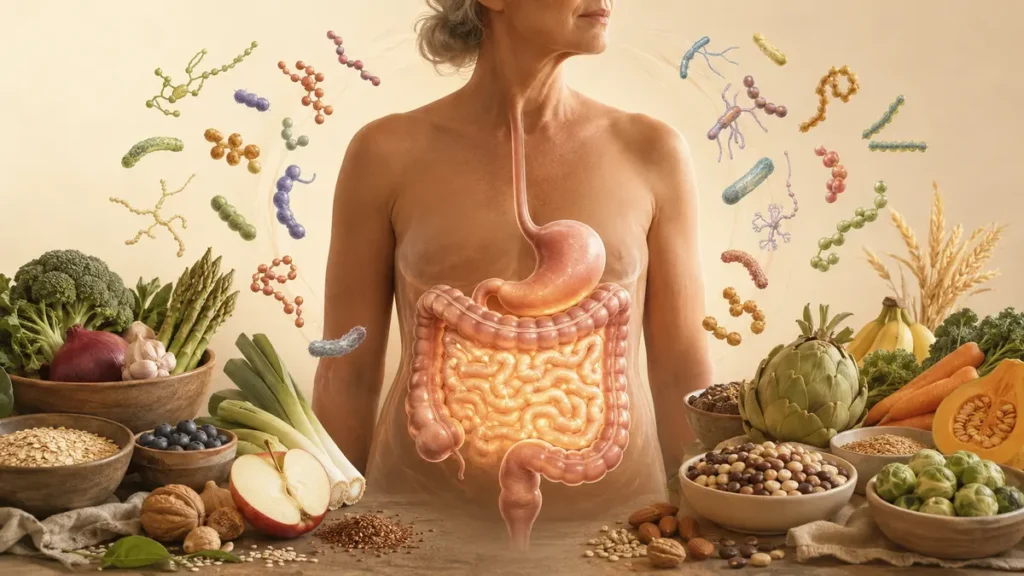
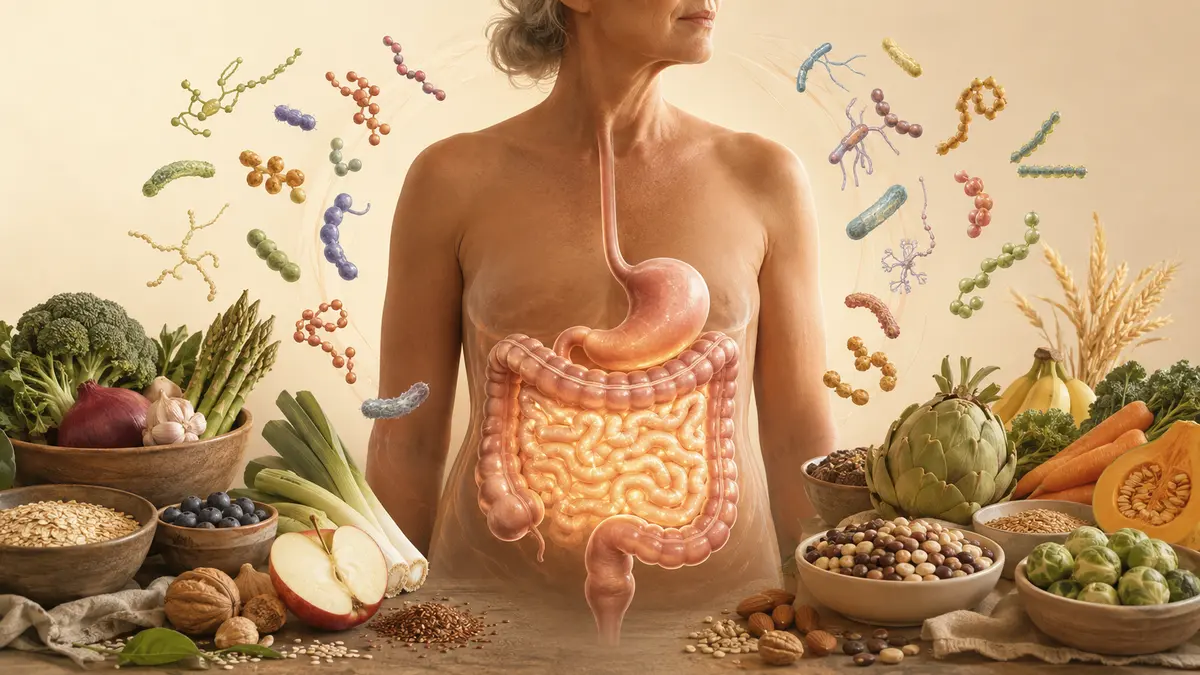
A photorealistic illustration of a healthy human gut, showcasing a diverse and balanced microbiome with various beneficial bacteria and their intricate connections, representing the science behind gut health and longevity.

For health-conscious adults over 50, understanding this connection isn’t just academic; it’s a roadmap to enhancing healthspan – the period of life spent in good health, free from chronic disease. This article will delve into the fascinating world of your gut microbiome, explore how it changes with age, uncover the mechanisms by which it impacts longevity, and provide actionable strategies to cultivate a youthful gut for a more vibrant future.

Understanding the Gut Microbiome At its core

These functions extend far beyond simple digestion. Your gut microbes are instrumental in breaking down complex carbohydrates that your body cannot digest, synthesizing essential vitamins (like B vitamins and vitamin K), and extracting energy from food. They also play a crucial role in training and modulating your immune system, protecting against pathogens, and even influencing brain function through the gut-brain axis [2]. The balance and diversity of this microbial community are paramount; a rich and varied microbiome is generally associated with better health outcomes, while a less diverse one can be a hallmark of disease.

The Aging Microbiome: What Changes? Just as our bodies

Several factors contribute to these age-related changes. Diet plays a substantial role ; older adults often consume less fiber and a more restricted range of foods, which can limit the nutritional input for a diverse microbial community. Lifestyle factors, including reduced physical activity and increased stress, also exert an influence.

Furthermore, the increased use of medications, particularly antibiotics, which indiscriminately kill both harmful and beneficial bacteria, can profoundly alter the gut ecosystem. These shifts are not benign; they can lead to a state of chronic low-grade inflammation, often referred to as “inflammaging,” and a weakened immune response, both of which are hallmarks of accelerated aging [4].

Mechanisms Linking Gut Microbiome to Longevity The

Inflammation (Inflammaging) One of the most significant

Metabolite Production Gut bacteria are metabolic

Gut-Brain Axis and Cognitive Aging The gut and brain are in

Immune System Modulation The majority of our immune system

Cultivating a Youthful Gut

Dietary Interventions Your diet is the single most

  • Fiber-Rich Foods: Dietary fiber is the primary fuel for beneficial gut bacteria. Include a wide variety of fruits, vegetables, whole grains, legumes, nuts, and seeds in your diet. Aim for at least 25-30 grams of fiber per day [10].
  • Prebiotics: These are specific types of fiber that selectively feed beneficial bacteria. Excellent sources include garlic, onions, leeks, asparagus, bananas, and oats.
  • Probiotics: These are live beneficial microorganisms found in fermented foods. Incorporate foods like yogurt, kefir, sauerkraut, kimchi, tempeh, and kombucha into your diet. While probiotic supplements can be beneficial, getting probiotics from food sources provides a wider range of strains and additional nutrients.
  • Polyphenols: These plant compounds, found in berries, dark chocolate, green tea, and red wine, act as prebiotics and have antioxidant properties that benefit gut health.

Lifestyle Factors Beyond diet

A vibrant, healthy senior woman with a warm smile, enjoying a fresh, colorful salad rich in probiotics and prebiotics, depicting a practical lifestyle choice for gut health and healthy aging.
  • Regular Exercise: Physical activity has been shown to increase gut microbial diversity and promote the growth of beneficial bacteria.
  • Stress Management: Chronic stress can negatively alter gut microbiota composition and function. Practices like meditation, yoga, and spending time in nature can help manage stress.
  • Adequate Sleep: Poor sleep can disrupt the gut microbiome. Aim for 7-9 hours of quality sleep per night.
  • Hydration: Drinking plenty of water is essential for digestive health and helps maintain a healthy gut environment.

Avoiding Harmful Practices Just as important as what you do

  • Minimize Processed Foods and Added Sugars: These can promote the growth of harmful bacteria and reduce microbial diversity.
  • Judicious Use of Antibiotics: While sometimes necessary, antibiotics can decimate beneficial gut bacteria. Use them only when prescribed and consider probiotic supplementation during and after antibiotic courses.
  • Limit Artificial Sweeteners: Some artificial sweeteners have been shown to negatively impact the gut microbiome.

Actionable Tips for a Healthier Gut Start Small

Conclusion The intricate relationship between the gut

Optimizing your gut health through conscious dietary choices and healthy lifestyle habits is a tangible and empowering step you can take today to slow biological aging and enhance your vitality. The future of longevity may well lie within your gut. Take charge of your inner ecosystem, and you might just unlock a more vibrant and fruitful future.

Ready to discover more about your biological age and how your lifestyle choices impact it? Explore our biological age calculator at fruitfulyears.com/biological-age-calculator to get personalized insights and further guidance on your longevity journey.

References [1] Sender

Q: How long does it take to improve my gut microbiome?

A: You can see changes in your gut microbiome composition within 24-48 hours of dietary changes, but meaningful improvements in diversity and beneficial bacteria typically take 2-4 weeks of consistent healthy eating. Long-term changes (3-6 months) are needed for sustained benefits to inflammation, immunity, and overall health.

Q: Are probiotic supplements necessary, or can I get enough from food?

A: Fermented foods like yogurt, kefir, sauerkraut, and kimchi provide a wide range of beneficial bacteria and are generally preferable to supplements. However, specific probiotic strains in supplement form may be helpful for certain conditions (like IBS or after antibiotic use). Focus on food first, and consult a healthcare provider if considering supplements for specific health goals.

Paste this into ChatGPT, Claude, or your favorite AI assistant to explore this topic further:

👆 Select the text above and press Ctrl+C (or Cmd+C on Mac) to copy the entire prompt.

AI Prompts to Explore This Topic Further

Copy and paste any of these prompts into ChatGPT, Claude, or your favourite AI assistant:

  • Prompt 1: “Explain how the gut microbiome affects the aging process and what dietary changes people over 55 can make to improve gut health.”
  • Prompt 2: “List the top probiotic and prebiotic foods recommended for healthy aging and describe their benefits for gut bacteria.”
  • Prompt 3: “Create a simple weekly meal plan focused on supporting the gut microbiome for adults aged 60 and above.”
  • Prompt 4: “Act as a gerontologist and explain the connection between gut microbiome diversity and cognitive health in adults over 50, including practical tips to maintain a balanced gut for brain longevity.”
  • Prompt 4: “Act as a nutritionist and provide practical tips for maintaining a balanced gut microbiome through lifestyle habits beyond diet, such as exercise, sleep, and stress management, tailored for individuals over 50.”
Medical Disclaimer: The information on this site is for educational purposes only and is not a substitute for professional medical advice, diagnosis, or treatment. Always consult a qualified healthcare provider before making changes to your diet, exercise routine, or health regimen. Fruitful Years does not provide medical advice. See our full Disclaimer and Privacy Policy.