TL;DR:
This article breaks down the seven most evidence-backed food groups that support the body’s natural aging processes. From the cell-protective properties of cruciferous vegetables to the anti-inflammatory benefits of omega-3s, you will learn what to add to your plate to support cellular health and extend your healthspan. We will cover the science behind each food, practical ways to incorporate them into your diet, and a sample one-day meal plan.
Free Resource: Download the free 6 Health Numbers to Track After 45 checklist — a quick-reference guide to the biomarkers that matter most for healthy aging.
Important: This article is general education, not personalized nutrition advice. Food choices can support overall health, but no single food or diet can guarantee longer life or prevent disease. If you have diabetes, kidney disease, digestive conditions, food allergies, a history of disordered eating, or take medications affected by diet, speak with a qualified clinician or registered dietitian before making significant changes to your eating pattern.
Longevity Diet Foods to Eat More Often After 45
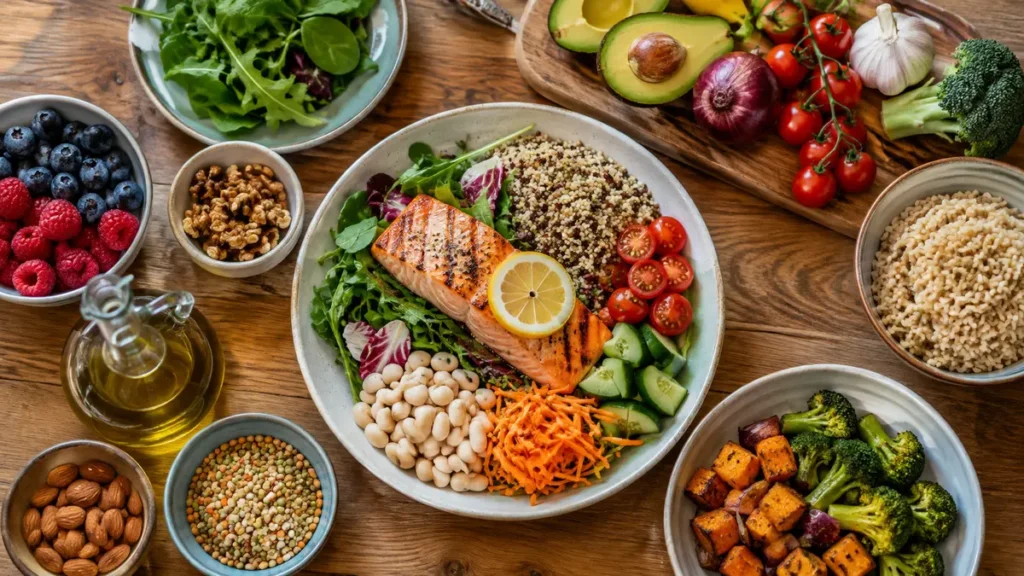
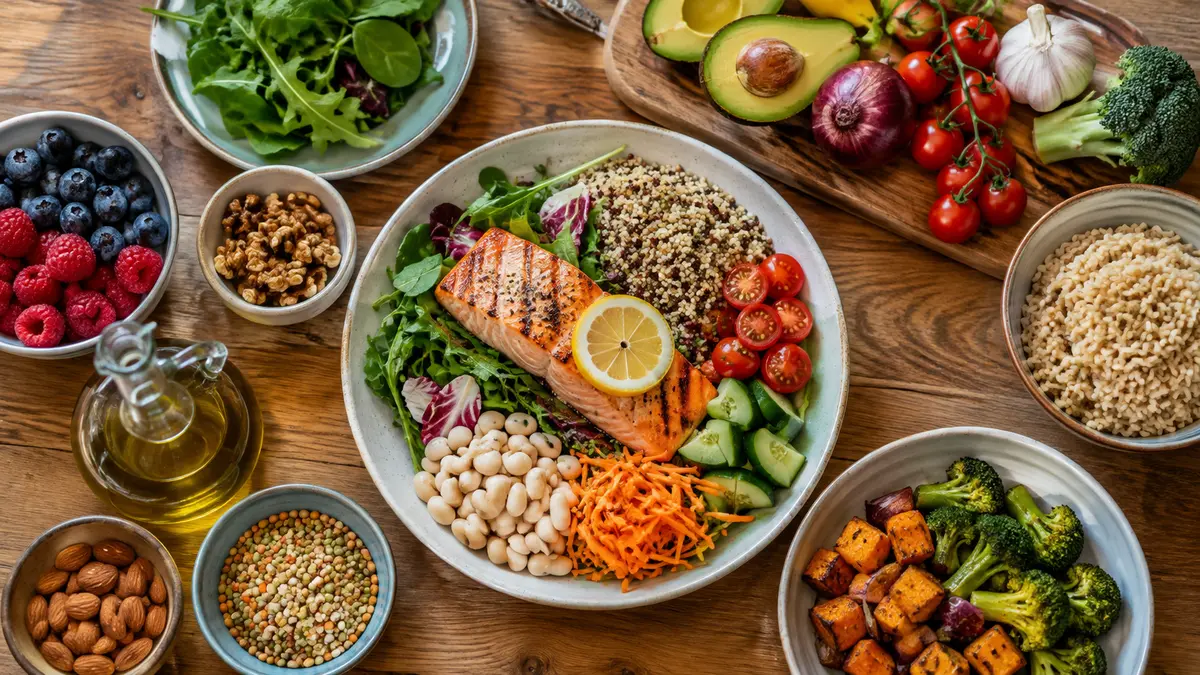
There is no single “longevity food” that guarantees better aging. A practical food-first approach is to build repeatable meals around simple choices like these:
- Beans and lentils for fibre, protein, and steady meals
- Vegetables and fruit for variety, colour, and micronutrients
- Whole grains such as oats, barley, brown rice, or whole-grain bread
- Protein foods such as fish, eggs, Greek yogurt, tofu, poultry, or legumes
- Nuts, seeds, olive oil, and avocado for healthy fats
- Fermented foods such as yogurt, kefir, sauerkraut, or kimchi if they suit your digestion
- Water, tea, or other low-sugar drinks instead of making alcohol part of a health plan
The best eating pattern is one you can sustain, enjoy, and adapt to your health history, budget, culture, and clinician or dietitian guidance.
The Science of Eating for Longevity
For decades, the conversation around diet and health has focused on weight management and disease prevention. While important, this perspective misses a more fundamental target: the aging process itself. Modern longevity science has identified specific biological mechanisms—known as the Hallmarks of Aging—that drive how our bodies decline over time [1]. Research suggests that dietary choices may influence some of these processes, though the science is still developing. A “longevity diet” isn’t about calorie restriction or fad-like eliminations; it’s about strategically incorporating foods rich in specific compounds that support cellular health and promote metabolic flexibility.
This approach moves beyond generic advice like “eat more vegetables” and focuses on why certain foods are so powerful. For example, sulforaphane in broccoli doesn’t just provide vitamins; it activates the Nrf2 pathway, one of the body’s most potent defense systems against oxidative stress [2]. Similarly, the anthocyanins in berries don’t just add color; they help reduce inflammation, a key driver of nearly every age-related disease. By understanding these mechanisms, we can build a diet that actively supports healthy aging.
1. Cruciferous Vegetables: The DNA Protectors
Cruciferous vegetables like broccoli, cauliflower, kale, and Brussels sprouts are nutritional powerhouses, but their primary longevity benefit comes from a compound called sulforaphane. When we chew these vegetables, we trigger a chemical reaction that produces sulforaphane, which in turn activates two critical pathways for cellular health.
First, it is a potent activator of the Nrf2 pathway, which upregulates the production of antioxidants like glutathione, protecting our cells from damage caused by free radicals [2]. Second, sulforaphane has been shown to be a histone deacetylase (HDAC) inhibitor. HDACs are enzymes that can suppress the activity of genes associated with cellular maintenance. By inhibiting them, sulforaphane may help maintain the activity of these genes, according to some research [3].
| Vegetable | Serving Size (1 cup) | Key Compounds | How to Prepare for Max Benefit |
|---|---|---|---|
| Broccoli Sprouts | ~45g | Sulforaphane, Glucoraphanin | Eat raw; they contain the highest concentration of sulforaphane precursors. |
| Broccoli | ~90g | Sulforaphane, Vitamin C, Vitamin K | Steam lightly for 3-4 minutes; boiling can destroy the myrosinase enzyme needed to create sulforaphane. |
| Kale | ~67g | Lutein, Zeaxanthin, Vitamin K | Massage with olive oil to soften leaves for salads, or add to smoothies. |
| Cauliflower | ~100g | Sulforaphane, Choline | Roasting or steaming is preferable to boiling. |
Actionable Step:
Aim for at least one serving of cruciferous vegetables daily. For maximum benefit, consider adding broccoli sprouts to your salads or smoothies a few times a week.
2. Berries: The Inflammation Fighters
Chronic, low-grade inflammation is a persistent feature of aging, contributing to everything from arthritis to neurodegenerative diseases. Berries, particularly dark-colored ones like blueberries, blackberries, and raspberries, are packed with anthocyanins—the pigments that give them their rich color. These compounds are powerful antioxidants and have significant anti-inflammatory effects.
Research has shown that regular consumption of berries can lower markers of inflammation, such as C-reactive protein (CRP) [4]. They also appear to improve communication between brain cells, supporting cognitive function and potentially delaying age-related memory decline. This is partly achieved by improving blood flow to the brain and protecting it from oxidative stress [5].
Actionable Step:
Add a cup of mixed berries to your daily diet. They can be added to yogurt, oatmeal, smoothies, or simply eaten on their own as a snack.
3. Fatty Fish: The Brain and Heart Guardians
Fatty fish like salmon, mackerel, anchovies, and sardines are the best dietary sources of the omega-3 fatty acids eicosapentaenoic acid (EPA) and docosahexaenoic acid (DHA). These fats are integral components of cell membranes throughout the body, particularly in the brain and heart.
DHA is a primary structural component of the brain and retina, and maintaining adequate levels is crucial for cognitive function and vision. EPA plays a more significant role in regulating inflammation. Together, they help maintain the fluidity of cell membranes, support healthy blood vessel function, and have been shown to protect telomeres—the protective caps on the ends of our chromosomes that shorten with age [6]. Longer telomeres are associated with a longer healthspan.
Actionable Step:
Aim for at least two servings of fatty fish per week. If you do not eat fish, a high-quality algae-based omega-3 supplement providing at least 500mg of combined EPA and DHA is a good alternative.
4. Nuts and Seeds: The Metabolic Stabilizers
Nuts and seeds are dense sources of healthy fats, fiber, protein, and micronutrients like magnesium and vitamin E. Their high fiber and healthy fat content helps stabilize blood sugar levels, which is critical for metabolic health. Chronic high blood sugar and insulin resistance are major drivers of aging.
Walnuts are particularly noteworthy for their high content of alpha-linolenic acid (ALA), a plant-based omega-3 fatty acid, and polyphenols that support brain health. Flaxseeds and chia seeds are also excellent sources of ALA and soluble fiber, which supports a healthy gut microbiome. Regular consumption of a variety of nuts and seeds has been linked to a lower risk of cardiovascular disease and type 2 diabetes [7].
Actionable Step:
Incorporate a small handful (about 1 ounce) of mixed, unsalted nuts and seeds into your daily diet. Add them to salads, yogurt, or have them as a standalone snack.
5. Green Tea: The Cellular Recycler
Green tea is rich in a class of polyphenols called catechins, the most abundant and powerful of which is epigallocatechin gallate (EGCG). EGCG has been shown to influence several longevity pathways, but one of its most important roles is in promoting autophagy.
Autophagy is the body’s natural process of cleaning out damaged cells and cellular components. Think of it as cellular recycling. This process becomes less efficient as we age, leading to an accumulation of dysfunctional “junk” inside our cells. EGCG can help activate autophagy, allowing cells to clear out debris and function more efficiently [8]. It also has mild anti-inflammatory and metabolic benefits.
Actionable Step:
Drink 1-2 cups of high-quality green tea per day. To maximize EGCG content, steep the tea for 3-5 minutes in water that is hot but not boiling (around 175°F or 80°C).
6. Olive Oil: A Healthy Fat for Cooking and Flavour
Extra virgin olive oil (EVOO) is a cornerstone of the Mediterranean diet, a dietary pattern consistently associated with longevity. Its benefits are largely attributed to its high concentration of monounsaturated fats and antioxidant compounds, particularly oleocanthal.
Oleocanthal has anti-inflammatory properties similar to ibuprofen, helping to quell the low-grade inflammation that drives aging [9]. The monounsaturated fats in EVOO help improve cholesterol profiles by lowering LDL (“bad”) cholesterol and raising HDL (“good”) cholesterol, supporting cardiovascular health. High-quality EVOO is also a source of vitamin E and other antioxidants that protect cells from oxidative damage.
Actionable Step:
Use extra virgin olive oil as your primary fat for cooking at low-to-medium temperatures and as a finishing oil for salads and vegetables. Aim for 1-2 tablespoons per day.
7. Legumes: The Fiber-Fueled Gut Boosters
Legumes, such as beans, lentils, and chickpeas, are an excellent source of plant-based protein and, most importantly, fiber. The fiber in legumes, particularly prebiotic fiber, serves as food for the beneficial bacteria in your gut microbiome. A diverse and healthy gut microbiome is increasingly recognized as a cornerstone of healthy aging.
When gut bacteria ferment this fiber, they produce short-chain fatty acids (SCFAs) like butyrate. Butyrate is the primary fuel source for the cells lining our colon, and it also plays a crucial role in regulating inflammation throughout the body and maintaining a strong gut barrier [10]. A strong gut barrier prevents inflammatory molecules from leaking into the bloodstream. Diets rich in legumes are a common feature in the world’s “Blue Zones,” regions where people live exceptionally long and healthy lives.
Actionable Step:
Include at least a one-cup serving of legumes in your diet 3-4 times per week. Add them to soups, salads, or use them as a base for main courses.
What About Valter Longo’s Longevity Diet?
You may have come across the term “Longevity Diet” in the context of the work of Dr. Valter Longo, a professor of gerontology and biological sciences at the University of Southern California. Longo’s research, which includes studies on the Fasting Mimicking Diet (FMD), is frequently cited in longevity discussions. His dietary framework generally emphasizes plant-based foods, fish, legumes, and limited protein from animal sources, with periodic fasting-style cycles.
The foods covered in this article — cruciferous vegetables, berries, fatty fish, nuts, legumes, olive oil, and green tea — are broadly consistent with the principles Longo and other longevity researchers describe. The underlying goal is similar: reducing chronic inflammation, supporting metabolic health, and providing the nutrients your body needs to maintain and repair itself over time. For more on building a complete longevity routine, see our guide to strength training after 60.
Important note: Fasting-style dietary approaches, including the Fasting Mimicking Diet, are not appropriate for everyone. If you have a medical condition such as diabetes, kidney disease, or a history of disordered eating, are underweight, or take prescription medications, speak with your doctor or a registered dietitian before making significant changes to your eating pattern. The food choices described in this article are for educational purposes only and are not intended as medical advice or treatment for any condition.
Frequently Asked Questions
What is the single most important food to add for longevity?
There is no single most important food. A consistent pattern of varied, whole foods — vegetables, protein, healthy fats, and fibre — matters more than any one item. That said, cruciferous vegetables like broccoli are among the most studied for their broad cellular health benefits.
Do I need to buy organic versions of these foods?
For produce with thin skins that you consume entirely, like berries and kale (part of the “Dirty Dozen”), choosing organic can reduce pesticide exposure. For foods with thick, inedible skins like avocados or bananas, conventional is generally fine. For olive oil, quality (extra virgin, cold-pressed) is more important than an organic label.
Can I get these benefits from supplements instead of whole foods?
While some supplements, like high-quality omega-3s or vitamin D, can be beneficial, it is generally better to get these compounds from whole foods. The nutrients in whole foods work synergistically, and the fiber in foods like legumes and vegetables provides benefits that no supplement can replicate.
How quickly can I expect to see benefits from changing my diet?
While you won’t feel your telomeres lengthening, you can notice tangible benefits within a few weeks. These often include improved energy levels, better digestion, more stable blood sugar, and reduced minor aches and pains as inflammation decreases. The long-term cellular benefits accrue over months and years of consistent healthy eating.
Next Steps Checklist
- The Blue Zones Diet: What Do the World’s Longest-Lived People Actually Eat?
- Sleep and Longevity: The Science of Rest and Recovery
- Build your personal longevity protocol
Free Resource: Download the free 6 Health Numbers to Track After 45 checklist — track the numbers that matter most for your healthspan.
Some readers also ask about meal timing; see the beginner safety guide to intermittent fasting after 45.
For more on supplements studied in aging research: NAD+ Supplements After 45: NMN, NR, Evidence, and Risks
References
[1] López-Otín, C., Blasco, M. A., Partridge, L., Serrano, M., & Kroemer, G. (2013). The Hallmarks of Aging. Cell, 153(6), 1194–1217. https://doi.org/10.1016/j.cell.2013.05.039
[2] Santín-Márquez, R., Alarcón-Aguilar, A., López-Díaz, N. E., Chondrogianni, N., & Königsberg, M. (2019). Sulforaphane – role in aging and neurodegeneration. GeroScience, 41(5), 655–670. https://pubmed.ncbi.nlm.nih.gov/31728910/
[3] Ho, E., Clarke, J. D., & Dashwood, R. H. (2009). Dietary sulforaphane, a histone deacetylase inhibitor for cancer prevention. The Journal of Nutrition, 139(12), 2393–2396. https://doi.org/10.3945/jn.109.113332
[4] Kalt, W., Cassidy, A., Howard, L. R., Krikorian, R., Stull, A. J., Tremblay, F., & Zamora-Ros, R. (2020). Recent Research on the Health Benefits of Blueberries and Their Anthocyanins. Advances in Nutrition, 11(2), 224–236. https://doi.org/10.1093/advances/nmz065
[5] Miller, M. G., & Shukitt-Hale, B. (2012). Berry fruit enhances beneficial signaling in the brain. Journal of agricultural and food chemistry, 60(23), 5709–5715. https://doi.org/10.1021/jf2036033
[6] Farzaneh-Far, R., Lin, J., Epel, E. S., Harris, W. S., Blackburn, E. H., & Whooley, M. A. (2010). Association of marine omega-3 fatty acid levels with telomeric aging in patients with coronary heart disease. JAMA, 303(3), 250–257. https://doi.org/10.1001/jama.2009.2008
[7] Afshin, A., Micha, R., Khatibzadeh, S., & Mozaffarian, D. (2014). Consumption of nuts and legumes and risk of incident ischemic heart disease, stroke, and diabetes: a systematic review and meta-analysis. The American journal of clinical nutrition, 99(4), 787–798. https://doi.org/10.3945/ajcn.113.076901
[8] Kim, J., & Lee, S. (2022). The Role of EGCG in Autophagy and Its Potential for Disease Therapy. International Journal of Molecular Sciences, 23(3), 1783. https://doi.org/10.3390/ijms23031783
[9] Beauchamp, G. K., Keast, R. S., Morel, D., Lin, J., Pika, J., Han, Q., Lee, C. H., Smith, A. B., & Breslin, P. A. (2005). Phytochemistry: ibuprofen-like activity in extra-virgin olive oil. Nature, 437(7055), 45–46. https://doi.org/10.1038/437045a
[10] Ríos-Covián, D., Ruas-Madiedo, P., Margolles, A., Gueimonde, M., de Los Reyes-Gavilán, C. G., & Salazar, N. (2016). Intestinal Short Chain Fatty Acids and their Link with Diet and Human Health. Frontiers in microbiology, 7, 185. https://doi.org/10.3389/fmicb.2016.00185