
Epigenetic Clocks After 45: What Biological Age Tests Can and Can’t Tell You
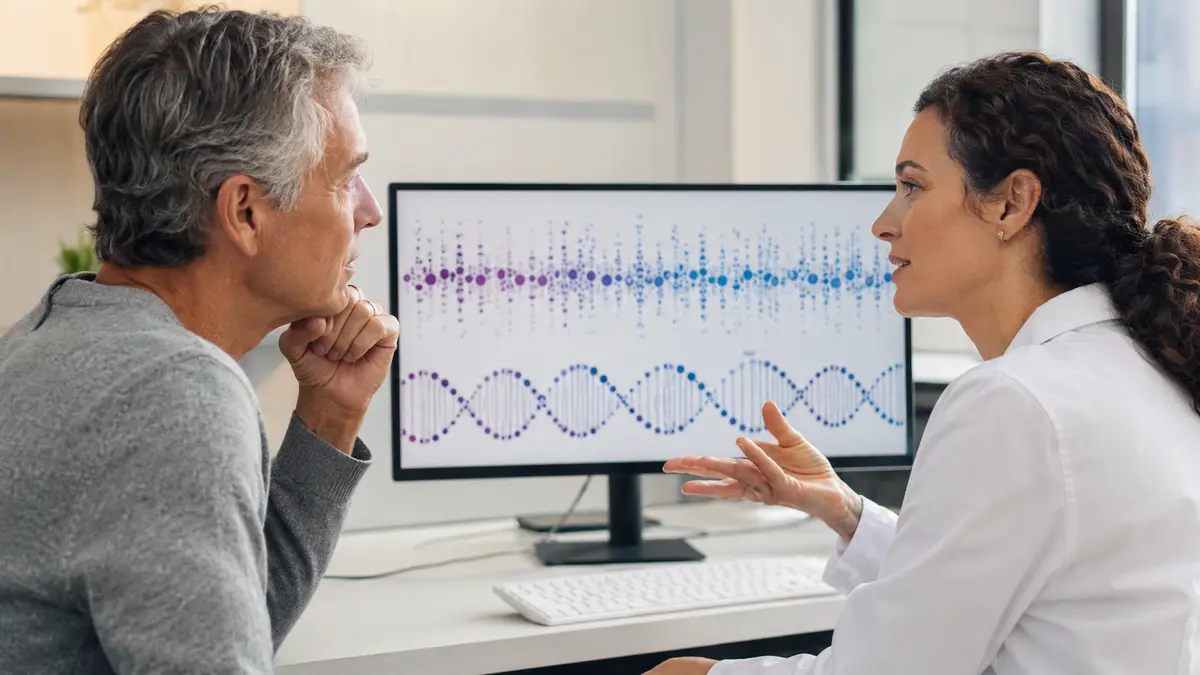
Understand what epigenetic clocks estimate and where uncertainty remains. Compare models and prepare questions before buying or repeating a biological-age test.
Biohacking for longevity is about using data, technology, and targeted interventions to take a more proactive approach to your health as you age. From epigenetic clocks to continuous glucose monitors, we explore the tools and techniques that are gaining traction in the longevity community — and what the evidence actually says about them.
We emphasize safety, realistic expectations, and focusing on approaches with a reasonable evidence base.
Not medical advice. Consult your clinician before trying any new health intervention.
Want to build a sustainable routine? See our foundational Personal Longevity Protocol.
Choose a next step:
Looking for a structured starting point? Visit the health numbers reading hub before choosing another individual article.
Understand what epigenetic clocks estimate and where uncertainty remains. Compare models and prepare questions before buying or repeating a biological-age test.
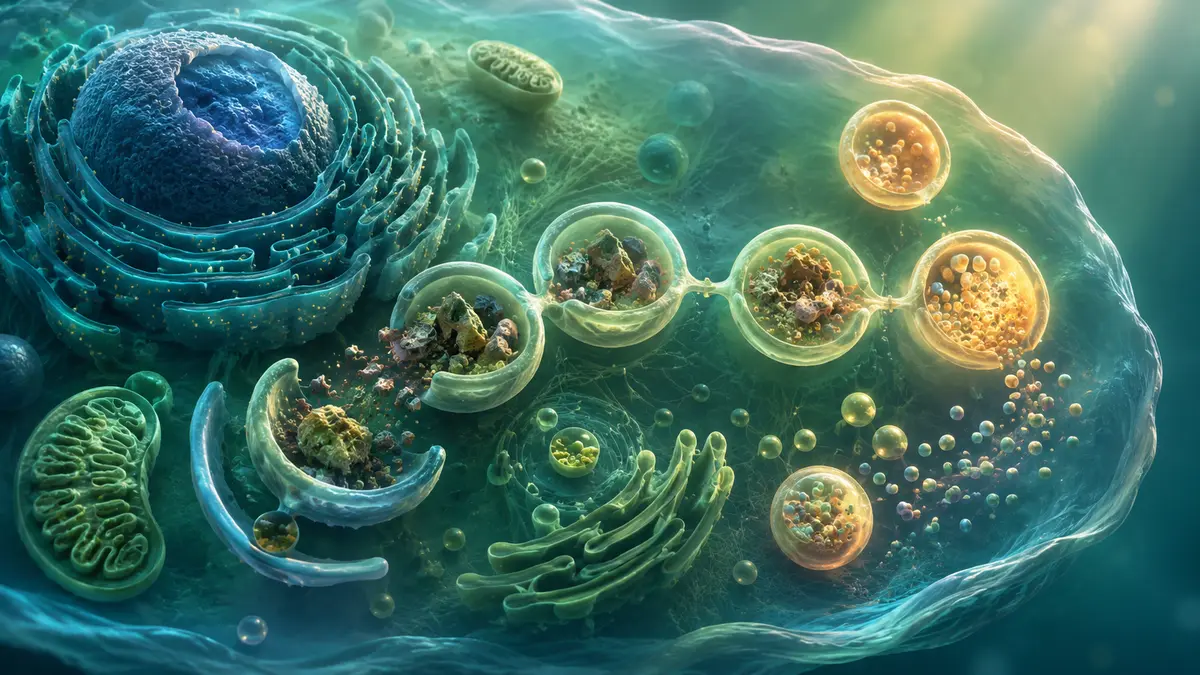
Autophagy is a normal cellular recycling process. This guide explains what it means, why it matters in aging research, and why adults 45+ should focus on sustainable basics rather than extreme fasting.